Extending a Legacy: Calvin Launches Center for Faith and Technology - Calvin University
This story deserves to be shared
Send it to someone who'd care, or post it on your networks.
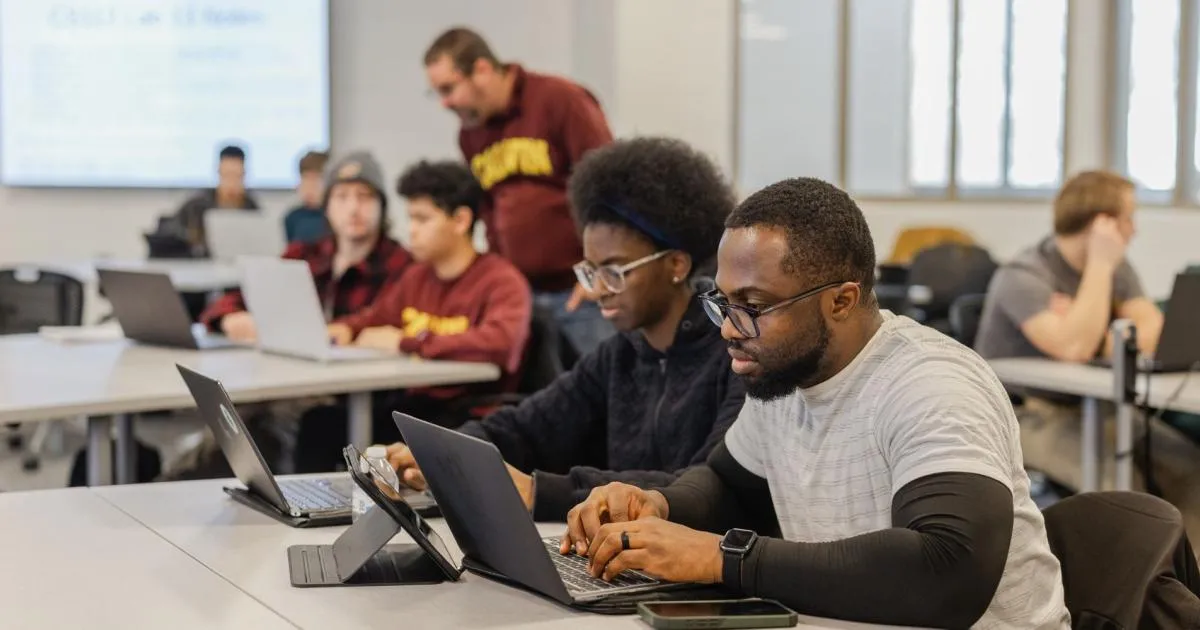
Technology is reshaping nearly every dimension of human life. “Technologies like AI are shaping ideas about work, education, relationships, and what it means to be human,” said Derek Schuurman, professor of computer science at Calvin University. Whether or not Christians engage conversations around these emerging technologies is a decision Schuurman says has significant stakes. He says a technological agenda that’s driven by a faith in technology will lead to consequences, while a pessimistic suspicion of technology will lead to missed redemptive opportunities. “The stakes are high, and these conversations will proceed, with or without Christian voices,” said Schuurman. Schuurman and his colleagues at Calvin University believe the conversations must continue with Christian voices and they see immense value in them being led by voices from within the Reformed tradition – a tradition that’s been committed to engaging the intersection of faith and technology for centuries. “Our tradition calls us to both courage and curiosity about technology and human culture.
This article is an excerpt. To read the full content, visit the original source. Calvin University
Related articles
Calvin launches center to bring Christian wisdom into the age of AI - Calvin University
Calvin University is establishing the Calvin Center for Faith and Technology, a new interdisciplinary center that will explore the intersection of Christian faith and technology and provide a thoughtful, credible Christian voice in conversations surrounding artificial intelligence and other emerging technologies. Based in Calvin’s School of Engineering and Computer Science, the center will draw on the university’s longstanding strength in engineering, computer science, and faith integration while bringing together perspectives from across the liberal arts and professional programs. Its work will engage questions involving technology and how it interplays with education, business, health care, science, philosophy, psychology, media, worship, governance and other areas of society. “Technology is shaping nearly every dimension of our lives, and Christians need to be part of that conversation, not simply reacting to technological change, but thoughtfully considering how technology can be developed and used in ways that serve our neighbors and contribute to the flourishing of our communities,” said Calvin University President Greg Elzinga.
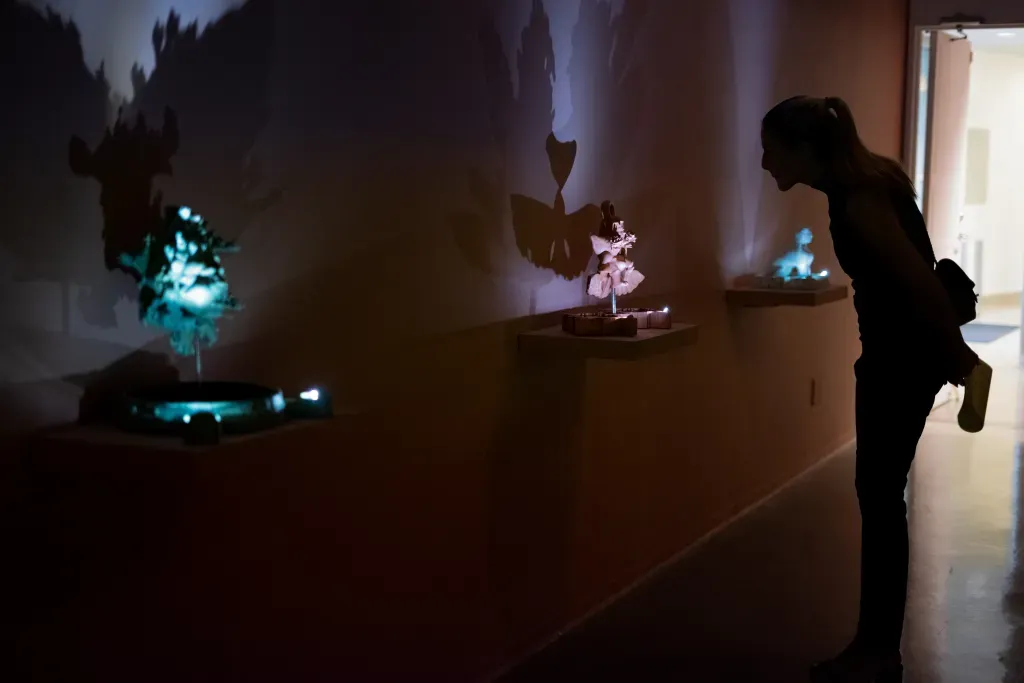
‘Hex Hexa:’ Are we putting too much faith in technology? - The Student Life
A student stands in the dark, admiring the artwork (Courtesy: Miranda Yee) At the center of Isabel Beavers’ “Hex Hexa: forget nothing, have no dreams” is artificial intelligence; the title itself is a playful reference to the technology’s functions and limitations. As AI becomes more capable of remembering and responding to us, Beavers’ exhibition asks why we place so much faith in it.
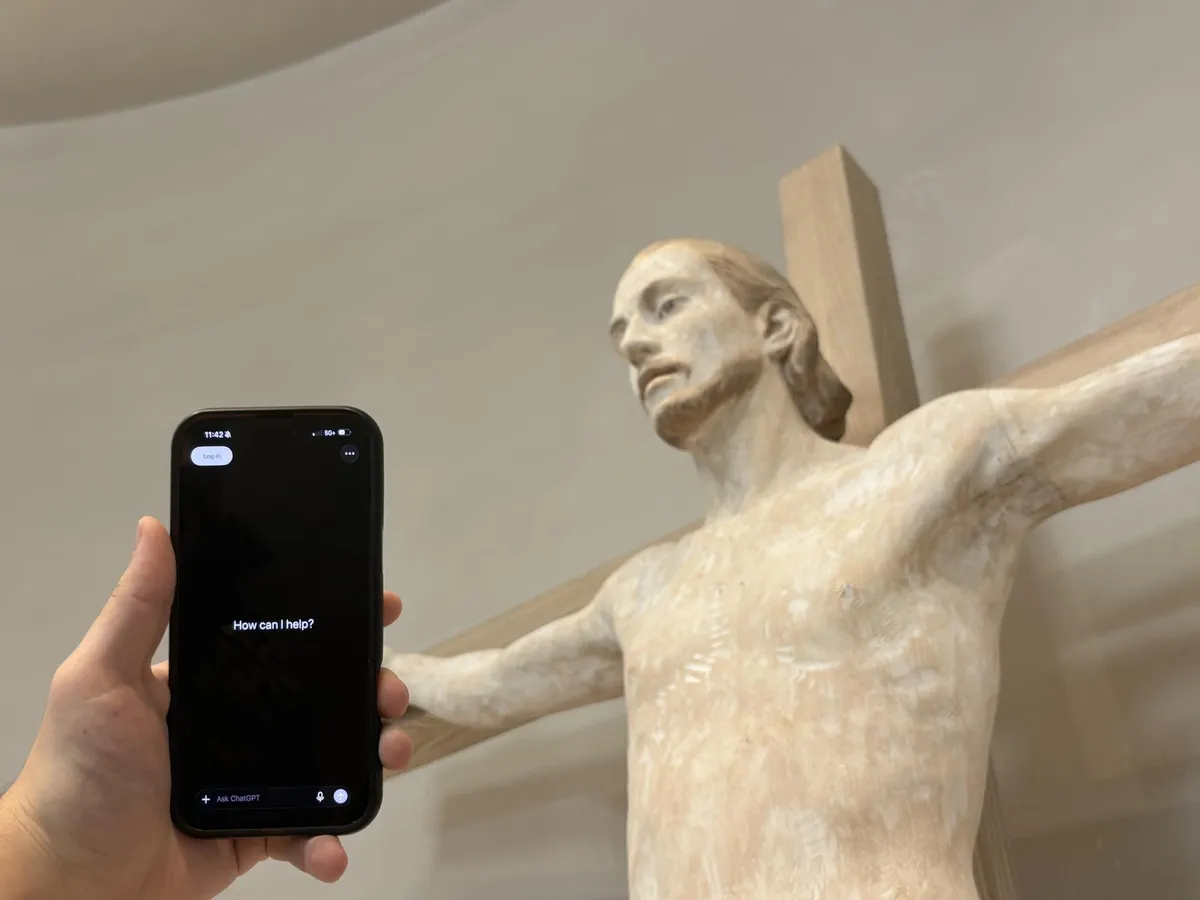
New ‘Faith in AI’ grant brings anti-technology spaces - Maroon
Student uses ChatGPT in Ignatius Chapel on Loyola’s campus, Tuesday, Sept. 22, 2026. AI is being researched to better understand faith. Sept. 22, 2026 The Loyola Institute of Ministry received $75,000 from a grant proposal by the Lilly Endowment Inc. called Faith in the Age of AI, which aims to assist Loyola Institute of Ministry in implementing spaces for Loyola students to practice Christianity away from artificial intelligence.
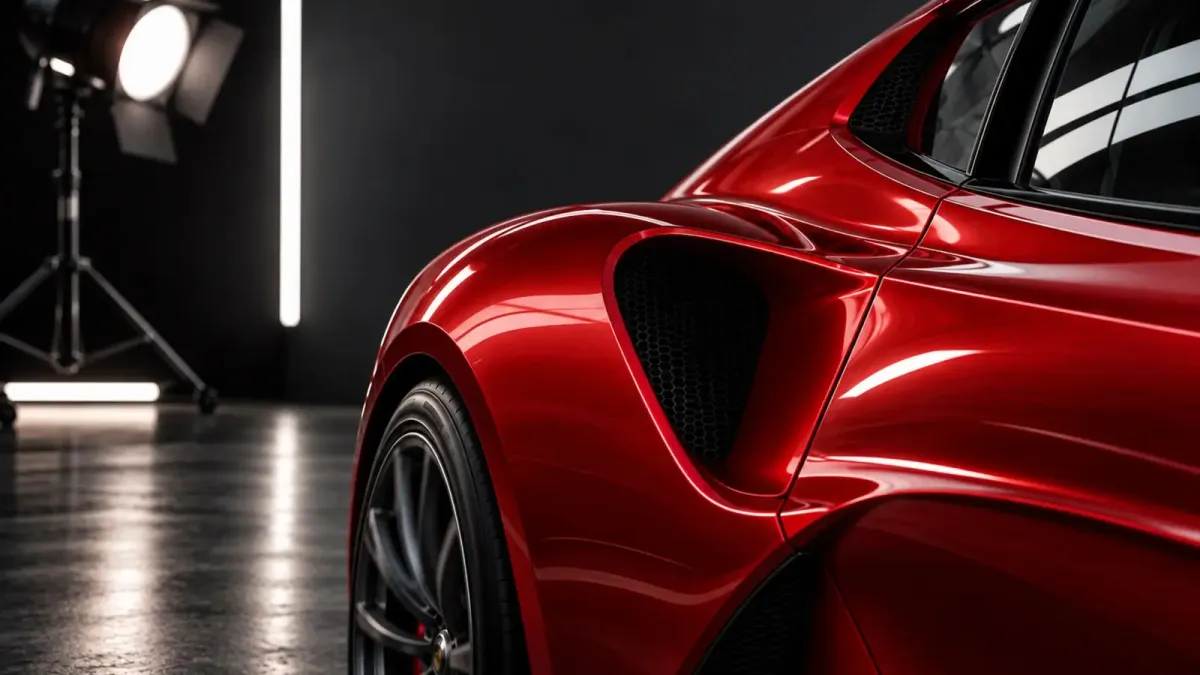
No V12 Required: Argentina's Mid-Engine Supercar Packs An American V8 Punch - CarBuzz
Classic gems, tasteful customs, legendary supercars - for Silvian, they're all fair game. He's been in love with cars and motorcycles for as long as he can remember, so it made perfect sense to eventually turn that passion into a full-time writing career. Around six years and more than 3,000 articles later, he is still going strong and doesn't plan on hitting the brakes anytime soon. Argentina is a country known for its natural beauty, soccer legends, and chainsaw-wielding president, but it probably isn’t the first place you’d expect a rad V8 supercar to be developed. However, that assumption might change once you learn about a company called Valtor, the brainchild of engineer-turned-CEO Sergio Arias. He leads a small but ambitious team of designers and engineers like himself, who’d previously caught people’s attention with the Azor GT concept last year. Now they’re back at it once again with the Eaglon, an evolution of the Azor and something that could easily be mistaken for a Ferrari by those who don’t know their automotive lore.
0 comments
No comments yet. Be the first to share your thoughts!