Navigating the Red Tide Labyrinth: Science to Guide Future Fisheries Management - NOAA Fisheries (.gov)
This story deserves to be shared
Send it to someone who'd care, or post it on your networks.
This article is an excerpt. To read the full content, visit the original source. NOAA Fisheries (.gov)
Related articles
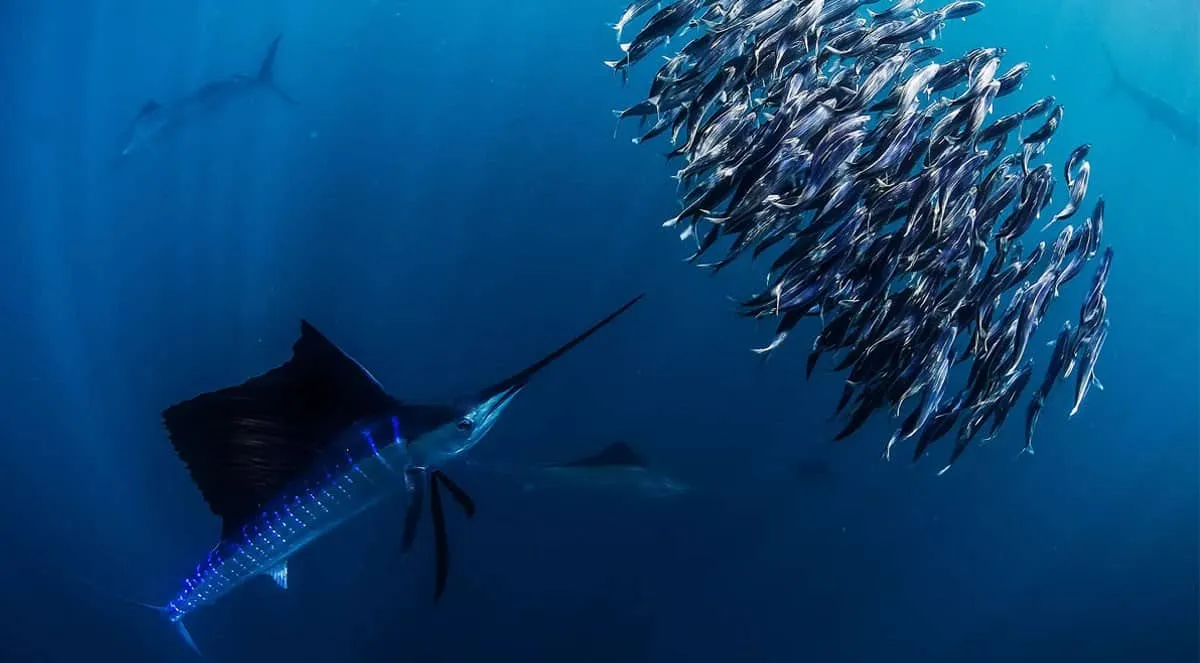
Costa Rican Scientists Revive Fish Larvae Research to Protect Fisheries - The Tico Times
Costa Rican scientists and marine conservation specialists are working to revive an important field of research that could help protect fish populations and improve the sustainable management of marine resources. The Costa Rican Fishing Federation (FECOP), in collaboration with the University of Costa Rica’s (UCR) School of Biology and Center for Research in Marine Sciences and Limnology (CIMAR), organized an intensive course on ichthyoplankton in the Eastern Tropical Pacific. The five-day training brought together 18 participants from universities in Costa Rica, Colombia, and Panama, as well as officials from the Costa Rican Fisheries and Aquaculture Institute (Incopesca). Ichthyoplankton refers to fish eggs and larvae, whose study provides valuable information about marine species’ reproduction, distribution, and population dynamics.
What Is Fisheries Science & Aquaculture? - CASRAI
Fisheries science is the study of fish and other harvested aquatic animals, the ecosystems they live in, and the people who catch, farm, manage, and depend on them. Aquaculture is the farming of aquatic organisms (fish, shellfish, and aquatic plants) under some degree of human control, and the research that supports it is usually treated as a close companion field. Together they sit where biology, ecology, quantitative modelling, economics, and public policy meet. The central practical question is how to take food and value from aquatic systems without destroying the populations and habitats that produce it. A fishery is a combination of a resource (a fish or shellfish population), the people who harvest it, and the rules and markets around that harvest. Fisheries science therefore studies three things at once: the biology of the animals, the condition of their environment, and the behaviour of the human system that exploits them. A fisheries biologist might spend one month measuring otoliths (ear stones) to estimate fish age, and the next month in a meeting about how many animals can be landed next season.
0 comments
No comments yet. Be the first to share your thoughts!