Evaluating Ocean Acidification and Hypoxia Model Outputs as an Undergraduate Intern at the Northeast Fisheries Science Center - NOAA Fisheries (.gov)
This story deserves to be shared
Send it to someone who'd care, or post it on your networks.
This article is an excerpt. To read the full content, visit the original source. NOAA Fisheries (.gov)
Related articles
Undergraduate students gain summer research experience across campus - Saint Mary's University
TMU undergraduate research shines at 2026 Ontario Biology Day - Toronto Metropolitan University (TMU)
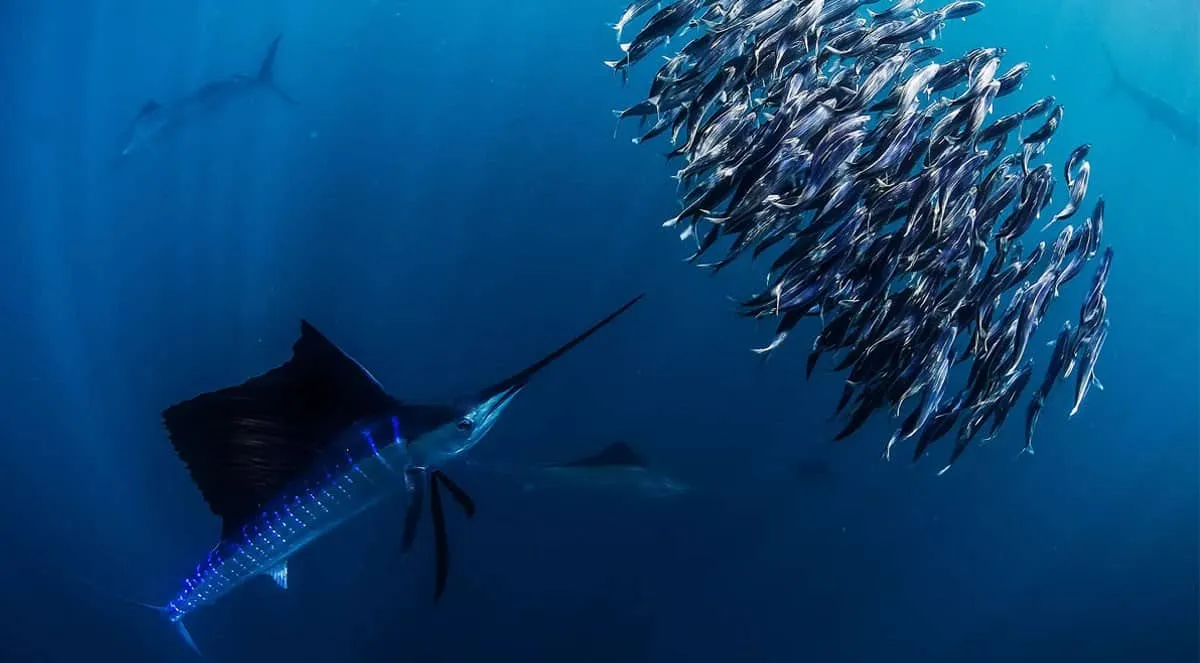
Costa Rican Scientists Revive Fish Larvae Research to Protect Fisheries - The Tico Times
Costa Rican scientists and marine conservation specialists are working to revive an important field of research that could help protect fish populations and improve the sustainable management of marine resources. The Costa Rican Fishing Federation (FECOP), in collaboration with the University of Costa Rica’s (UCR) School of Biology and Center for Research in Marine Sciences and Limnology (CIMAR), organized an intensive course on ichthyoplankton in the Eastern Tropical Pacific. The five-day training brought together 18 participants from universities in Costa Rica, Colombia, and Panama, as well as officials from the Costa Rican Fisheries and Aquaculture Institute (Incopesca). Ichthyoplankton refers to fish eggs and larvae, whose study provides valuable information about marine species’ reproduction, distribution, and population dynamics.
0 comments
No comments yet. Be the first to share your thoughts!