Microplastics Are Chemically Alive and Probably Up to No Good - Gizmodo
This story deserves to be shared
Send it to someone who'd care, or post it on your networks.
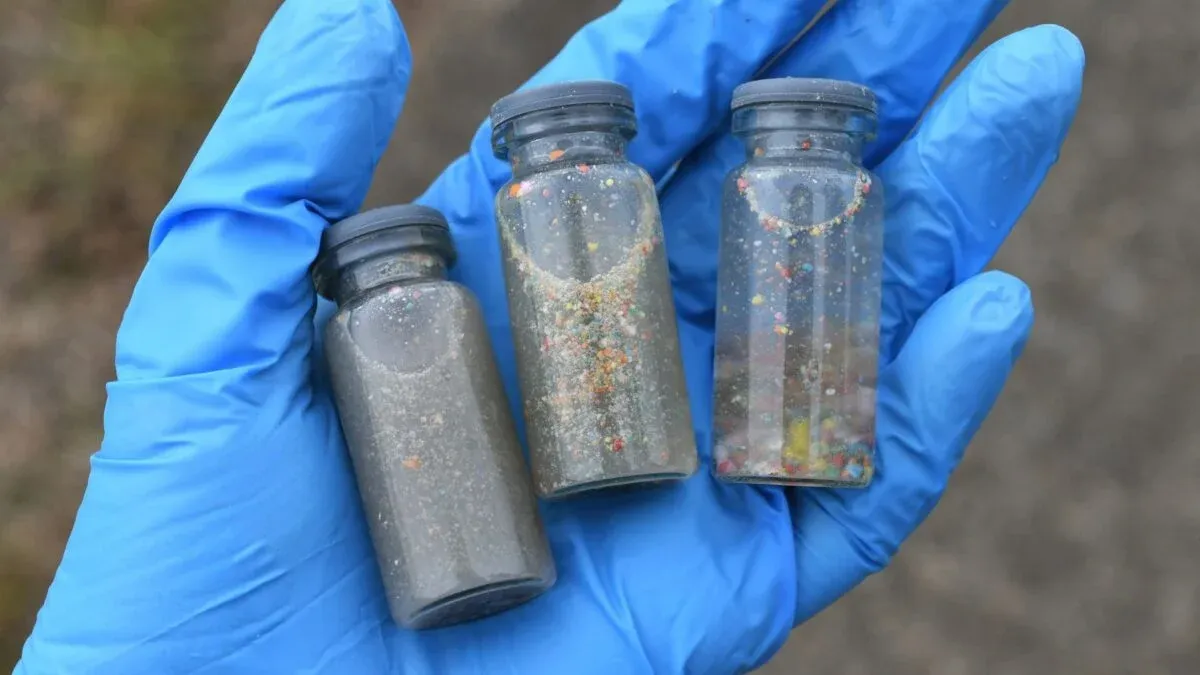
Many scientists have argued that microplastics pose a real, if often subtle, threat to human health. A study out this week may provide a vital clue as to how this harm is happening. Researchers at Columbia University and others took a close look at how microplastics behave in water. They found that when plastic is broken up into tiny fragments and surrounded by water, it can easily produce highly reactive molecules. Though more study is still needed to understand the exact health impacts of microplastics, the team’s work undercuts the assumption that plastic is always chemically passive, the authors say. “Our findings challenge the prevailing paradigm of plastic inertness [and] identify a possibly overlooked mechanism for the detrimental effects of microplastics on health and the environment,” they wrote in their paper, published Wednesday in the journal Nature. Not so inert Microplastics are any piece of plastic smaller than 5 millimeters. Over the years, scientists have increasingly raised the alarm about the likely dangers of microplastics for both people and other animals.
This article is an excerpt. To read the full content, visit the original source. Gizmodo
Related articles
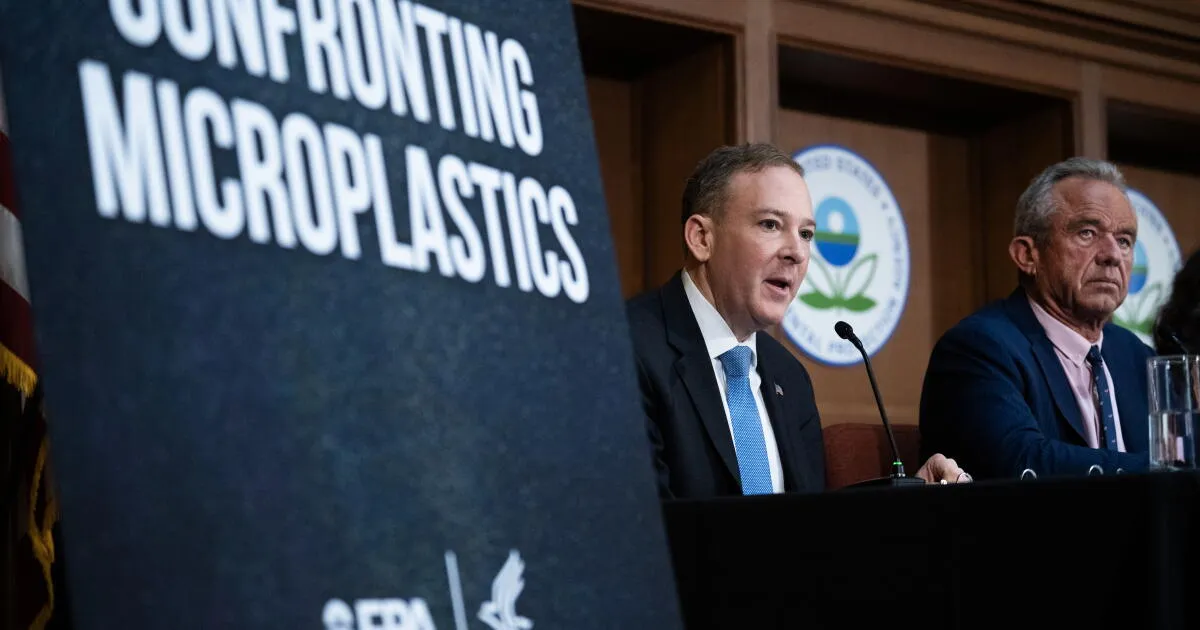
New research shows how microplastics and water interactions could lead to cell damage - Los Angeles Times
Scientists have found microplastics in virtually every part of the human body. Yet many questions remain about what exactly these infinitesimal flecks of synthetic polymers do to human health, and how they might cause disease. A new paper looking at the chemical reactions between water and disintegrating plastic offers a potential hypothesis for how microplastics might make us sick. Plastics were long thought to be chemically inert, meaning they don’t react easily with other compounds. It’s the reason they are often used for packaging, and why they so stubbornly resist biodegradation. But a Columbia University research team has found that when water molecules come into contact with plastic surfaces, a key chemical reaction does in fact take place. The meeting of water and plastic creates a third class of molecules called reactive oxygen species. ROS are a type of free radical, a broad term for one class of unstable, high-energy molecules. ROS are known to damage cells and promote inflammation. They “tend to damage nearby materials and molecules,” said Wei Min, a professor of chemistry and biomedical engineering at Columbia and co-author of the study.

Microplastics trigger inflammation linked to disease and death. Now scientists appear to have discovered why - The Spokesman-Review
Plain old water could be responsible for making plastics harmful to people, according to a new study that portends significant consequences for human health. The study, published Thursday in the prominent scientific journal Nature, found chemical reactions between water and six types of fossil fuel-based plastic created particles that damaged red blood cells and proteins in laboratory tests.
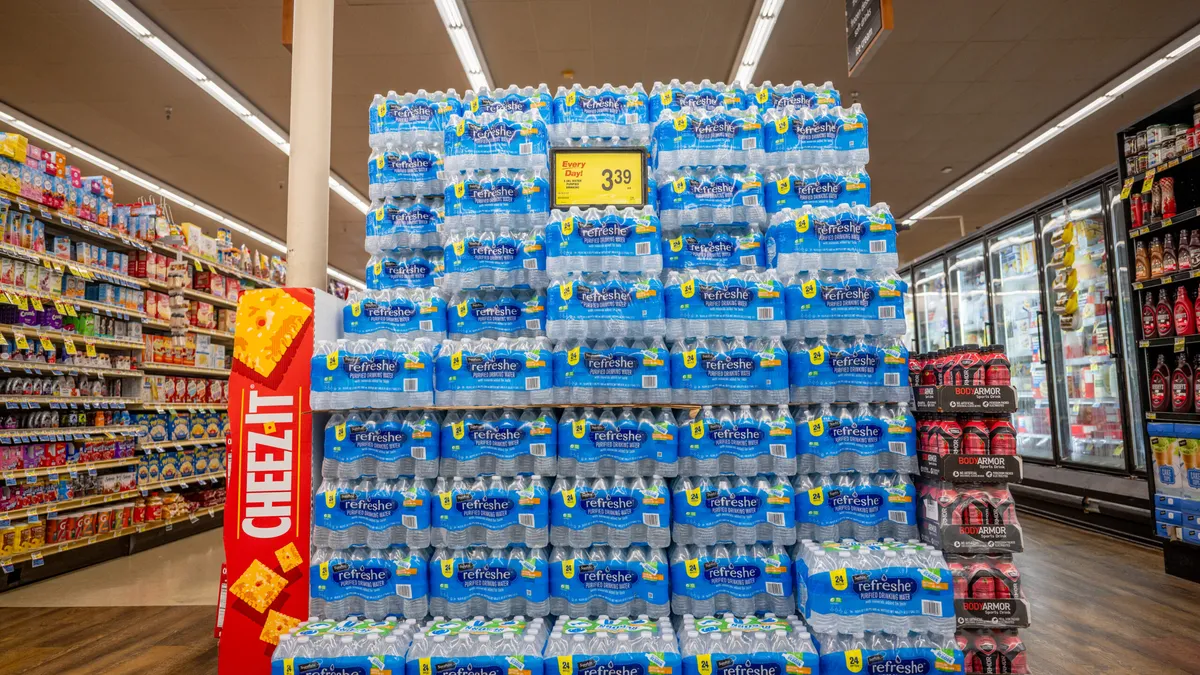
Microplastics in water aren’t inert and make damaging chemicals on their own - Ars Technica
Its effect on people remains an ongoing question. Bottled water is displayed for sale at a Randalls grocery store on January 10, 2024 in Austin, Texas.
0 comments
No comments yet. Be the first to share your thoughts!