Japan switches on its first full-stack room-temperature quantum computer - Live Science
This article is an excerpt. To read the full content, visit the original source. Live Science
Related articles
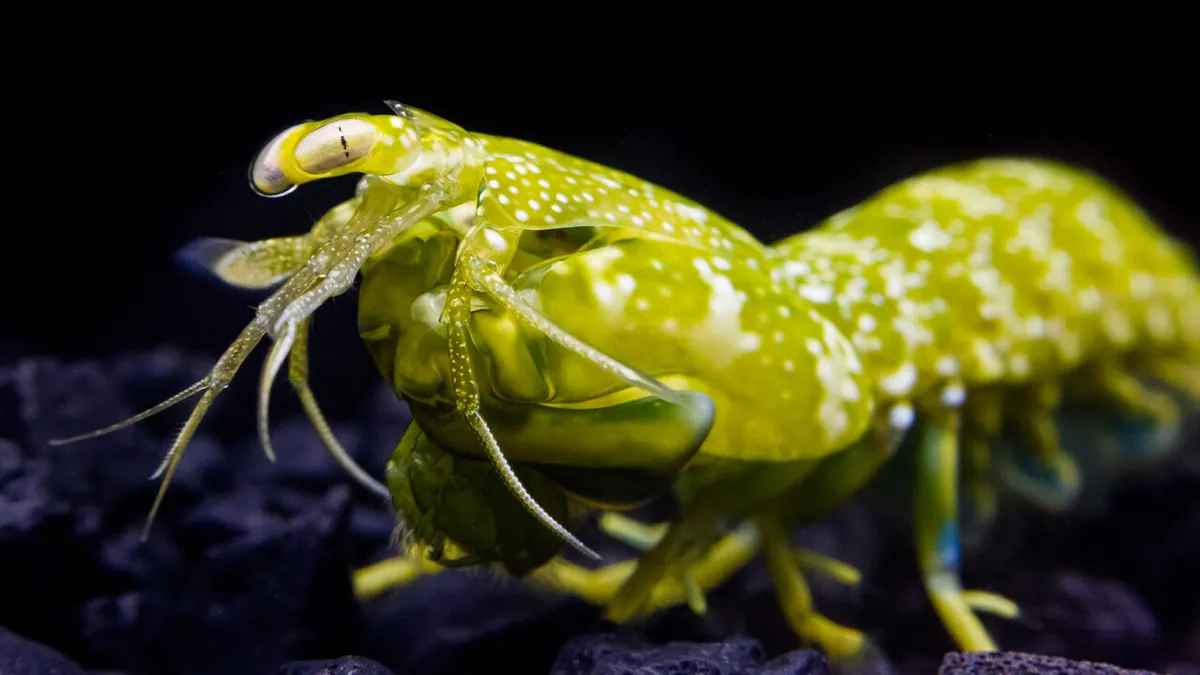
Red-sensitive pigments in mantis shrimp eyes act as reversible light switches - Phys.org
With about 30 visual pigments, compared to just three in humans, mantis shrimp possess a visual system that remains a mystery. Researchers from ULiège and Humboldt University in Berlin have, for the first time, analyzed these pigments one by one and discovered that some detect red light that very few animals can perceive. This finding, published in Science Advances, has potential applications in optogenetics. Vision is one of the most sophisticated sensory systems; it relies on proteins (opsins) that capture light and convert the signal into an electrical message that the brain can interpret. When combined with retinal, a small, universal molecule derived from vitamin A, opsins form the visual pigments (rhodopsins) that absorb light in the photoreceptors of the retina. In humans, three cone pigments are sufficient for color perception.
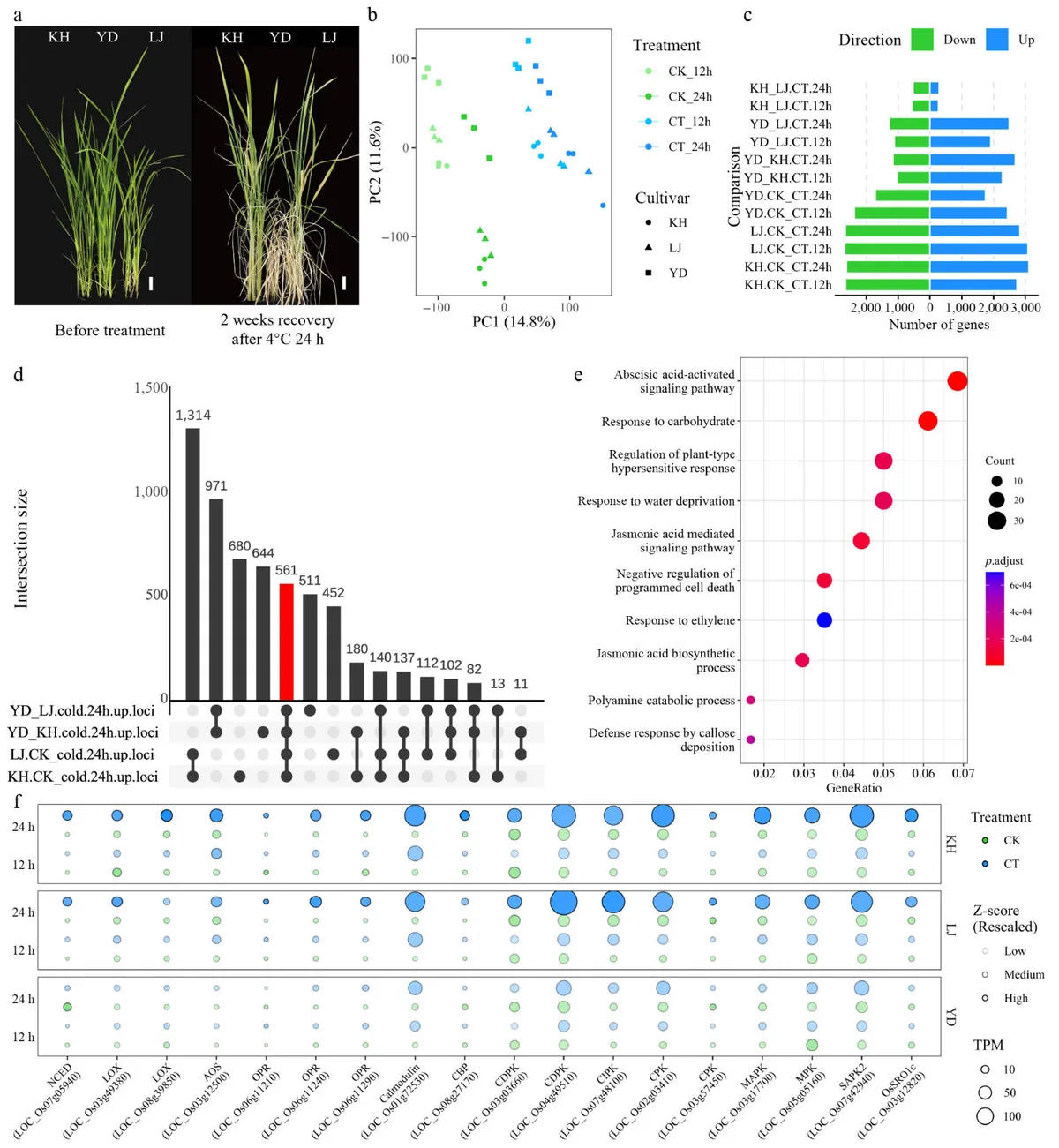
Mapping genetic switches behind rice seedlings’ cold response | Newswise - Newswise
Rice originated in subtropical environments, yet its cultivation has expanded into regions where low temperatures threaten growth, development, and yield. Japonica rice generally tolerates cold better than indica rice, and researchers have linked this adaptation to changes in stress-responsive gene expression. Much attention has focused on C-repeat binding factors, a group of transcription factors that help coordinate plant cold responses. However, these proteins may directly regulate only 10%–20% of cold-regulated genes, suggesting that many other regulators operate alongside them. For numerous rice genes, the identities of those regulators and the locations of the DNA sequences they recognize remain unclear. A wider map of these interactions is therefore needed to understand cold adaptation and identify potential targets for crop improvement.
0 comments
No comments yet. Be the first to share your thoughts!