Ice cores, krill and ship-based science the focus for Australian Antarctic monitoring program, conference told - Australian Antarctic Program
This story deserves to be shared
Send it to someone who'd care, or post it on your networks.
This article is an excerpt. To read the full content, visit the original source. Australian Antarctic Program
Related articles
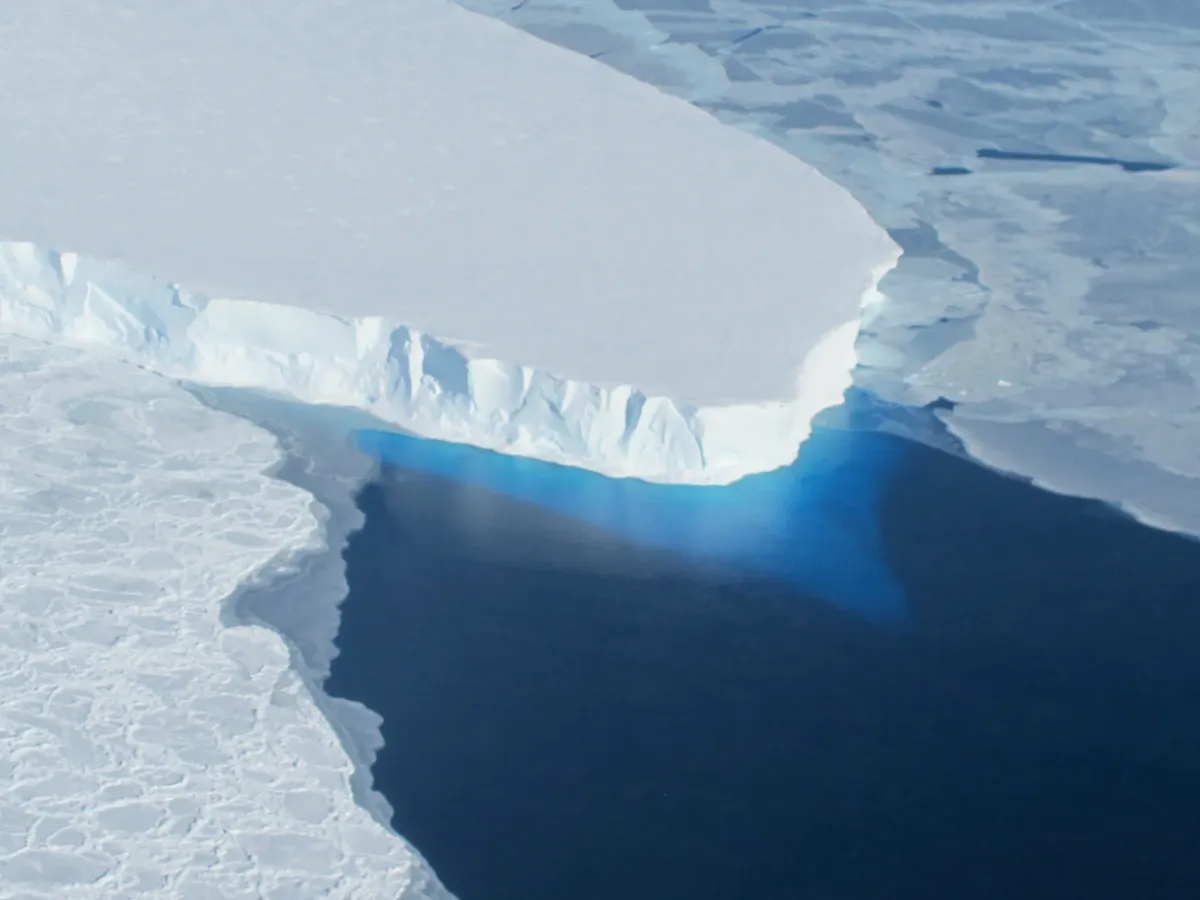
Senegal-sized Antarctic glacier melting faster than thought: Why it matters - Al Jazeera
The world’s largest glacier is melting much faster and could add twice as much to global sea levels as previously expected over the next century. New research published this week by a team of glaciologists has found that the Thwaites glacier in West Antarctica is losing mass rapidly because warm seawater is pushing underneath it and melting its core. This could add 1.2 inches (30mm) to water levels even if global warming does not accelerate as predicted. Recommended Stories list of 4 itemslist 1 of 4The Nepal floods question: When the Himalayas collapse, who gets warned?list 2 of 4India to supply Nepal electricity after floods wrecked hydropower projectslist 3 of 4El Nino reaches super status: Where will it bring rain, drought and heat?list 4 of 4‘The drought has left its mark’: Slovenia’s potato lovers lament low yieldsend of listThe findings, published in the journal Nature Communications, add to a growing body of evidence that shows that the glacier, which has been receding for decades, is now losing mass even faster than scientists thought. Researchers at the University of California in the United States collaborated with NASA’s Jet Propulsion Laboratory for the study.
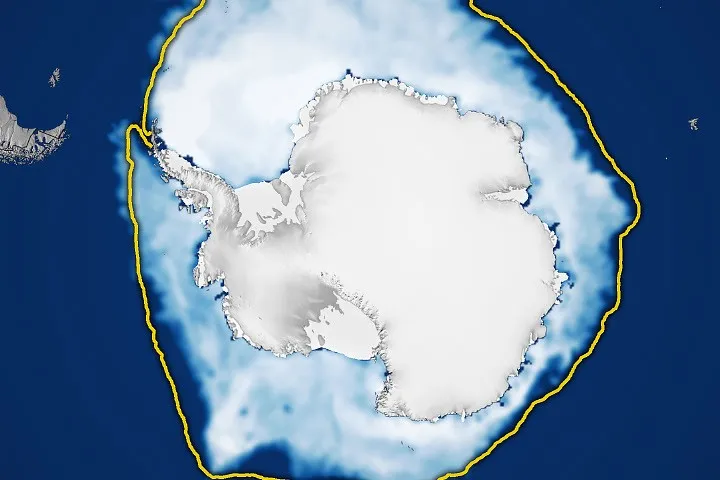
Antarctic Sea Ice Grows to Its 2026 Maximum - NASA Science (.gov)
This story is an update to the Antarctic sea ice feature in our World of Change series tracking long-term change on Earth's surface through satellite imagery. Unlike the Arctic—an ocean basin surrounded by land—the Antarctic is a large continent surrounded by an ocean. Because of this geography, sea ice has more room to expand during the winter. However, that ice also stretches into warmer latitudes, leading to more melting in the summer. Antarctic sea ice usually peaks in September, around the end of the Southern Hemisphere’s winter, and retreats to a minimum in February.
0 comments
No comments yet. Be the first to share your thoughts!