Giuseppe Saglio at LeukO 2026: When CML Stops Responding, What Comes Next? - Oncodaily
This story deserves to be shared
Send it to someone who'd care, or post it on your networks.

A slow molecular response does not always mean treatment failure, and switching TKIs too early may expose patients to unnecessary toxicity.
The strongest TKI is not necessarily the best choice for every patient, as age, comorbidities, tolerability, and treatment goals all influence long-term CML management.
This article is an excerpt. To read the full content, visit the original source. Oncodaily
Related articles
Sunseeker vs. Mova: I Tested Two Wire-Free Robot Mowers on My Complex Lawn - CNET
If you’ve been contemplating a robot lawn mower, you likely have a number of questions about how they perform, especially if you have a complicated lawn layout, as I do. When their respective manufacturers offered me the Sunseeker Elite X7 Plus Gen 2 and the Mova Lidax Ultra 2000 AWD for testing, my first concern was whether they’d be able to handle my large, sloped, obstacle-strewn lawn. I was pleasantly surprised across the board. Not only was setting up both mowers relatively simple, but I was also impressed by how consistently they managed my lawn.
How overhead projectors took over your classroom - The Verge
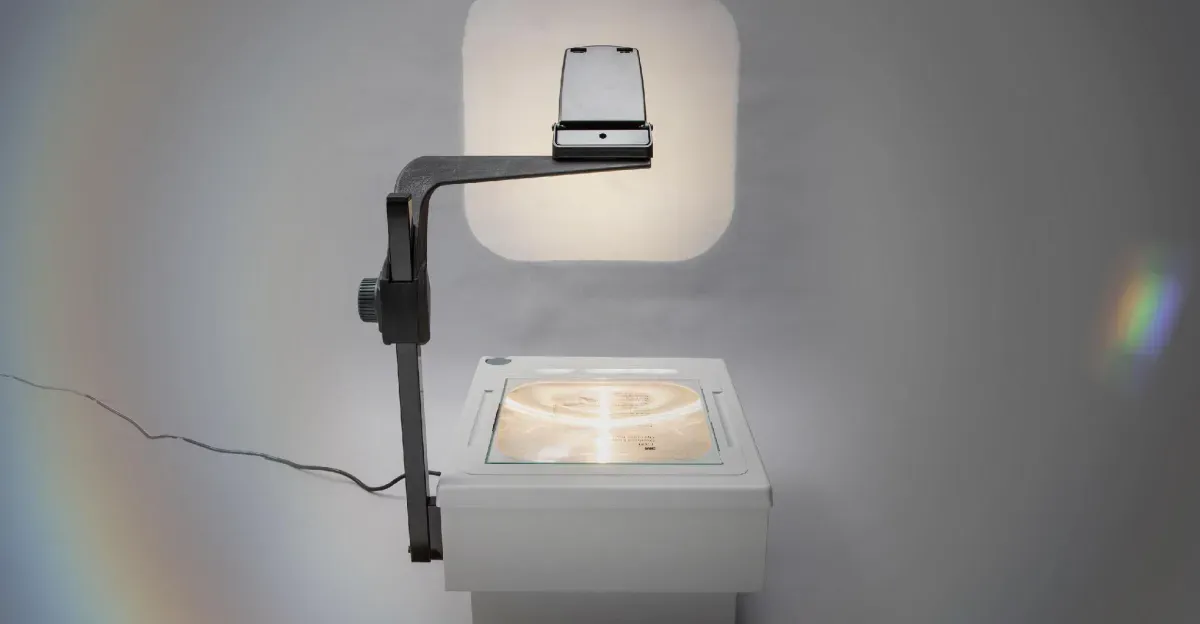
David Pierce is editor-at-large and Vergecast co-host with over a decade of experience covering consumer tech. Previously, at Protocol, The Wall Street Journal, and Wired. It used to be so easy to get away with things in school. The teacher, after all, was always turned around writing at the chalkboard! But then came a bit of technology, previously mostly used for military purposes, called the overhead projector. It would change far more than just the disciplinary record of students everywhere. In this episode of Version History, we tell the story of the overhead projector. David Pierce is joined by The Verge’s Jake Kastrenakes and Stanford professor Antero Garcia to discuss how overhead projectors were developed, how they made their way into classrooms, and how they changed so much about the way kids learn. They also try to figure out why overhead projectors have mostly gone away, and whether the things that replaced them — from PowerPoint presentations to computer screens to those new-fangled smart boards — actually improved on the OHP. This is the final episode of the fifth season of Version History, all about the most iconic school tech.
Color ePaper Grows Up: E Ink Launches Kaleido 4 - Sixteen:Nine
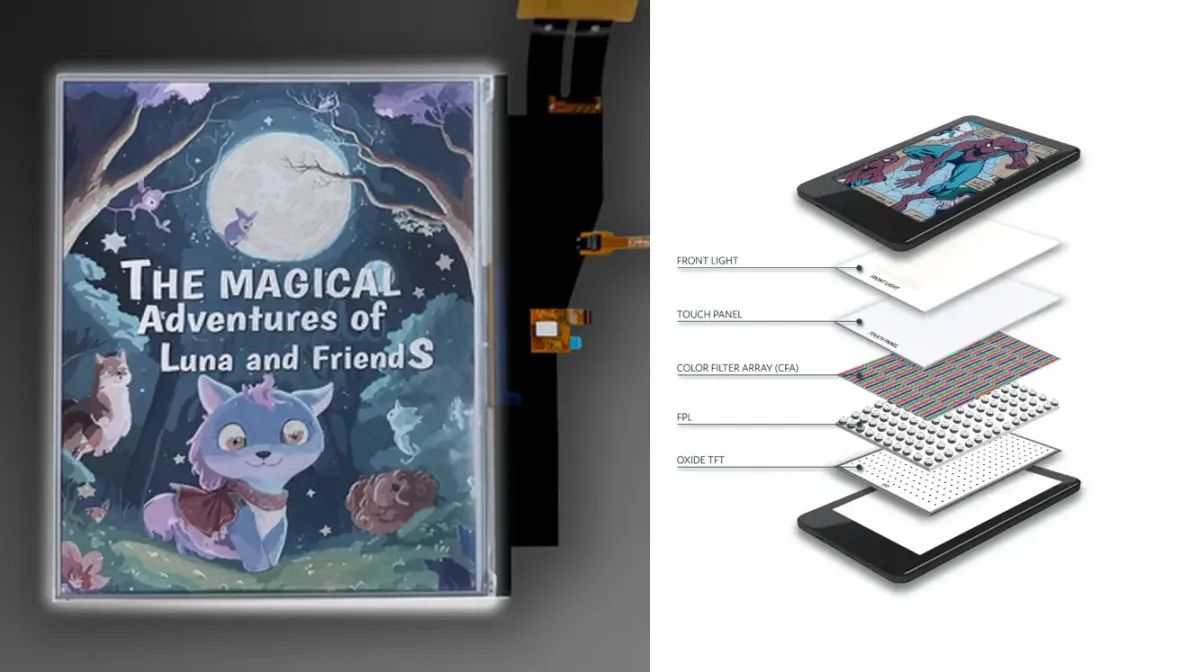
The headline improvements are substantial: Kaleido 4 doubles the color gamut of its predecessor, increases white reflectance by 15%, and delivers 50% higher contrast. Together, these enhancements address the most common shortcomings of earlier color ePaper displays, which often struggled with muted colors, greyish backgrounds, and reduced readability. Perhaps the most notable development is support for video playback at up to 18 frames per second. While still well below the 24-30 FPS delivered by conventional LCD and OLED displays, the higher refresh rate marks an important milestone for ePaper technology, expanding its potential beyond static content and simple page transitions. At the heart of the upgrade is a new oxide TFT backplane, enabling faster refresh speeds and improved color reproduction. The new architecture gives electrophoretic particles greater responsiveness, allowing E Ink to simultaneously improve color saturation, contrast, and overall display performance. The first commercial product featuring Kaleido 4 will be Hanvon’s M10C II eNote, initially launching in China.
Powerhouse ASUS ROG RTX 5080, Intel 9 290HX gaming laptop sees a hefty price cut with Amazon deal - PC Guide
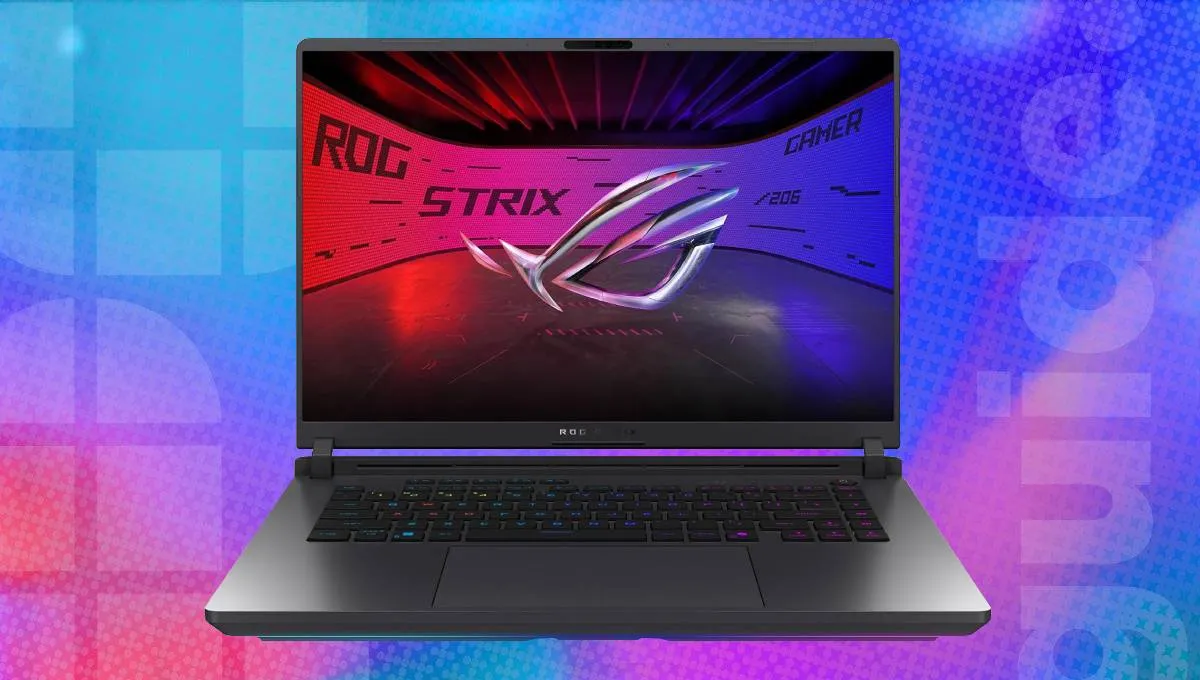
A seriously impressive laptop with a big discount. PC Guide is reader-supported. When you buy through links on our site, we may earn an affiliate commission. Read More
0 comments
No comments yet. Be the first to share your thoughts!