From Materials Simulation to Experimental Astronomy, New NVIDIA AI Software Unlocks Scientific Discoveries - NVIDIA Blog
This story deserves to be shared
Send it to someone who'd care, or post it on your networks.
This article is an excerpt. To read the full content, visit the original source. NVIDIA Blog
Related articles
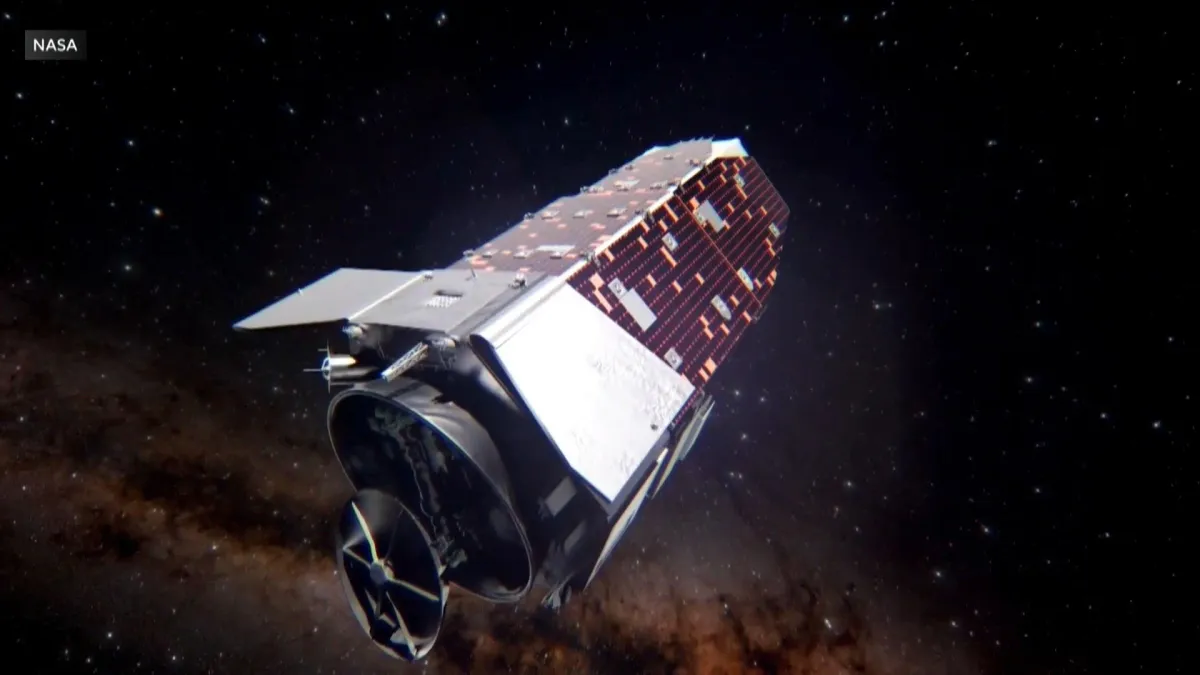
NASA’s Roman Space Telescope prepares to unleash a flood of new cosmic discoveries - The Brighter Side of News
Roman is designed to return about 1.4 terabytes of data daily, with observations becoming publicly available after processing. A collaboration of roughly 900 astronomers is preparing to search those observations for planets, black holes and cosmic explosions. The telescope’s surveys could sharpen measurements of dark energy, but their major discoveries still lie ahead. A distant star briefly brightens. A supernova appears in a galaxy. Somewhere else, an unseen object bends passing starlight. NASA’s Nancy Grace Roman Space Telescope is designed to capture such changes across crowded stretches of sky, then make its observations available for others to investigate. The challenge will be keeping up. Roman is expected to return about 1.4 terabytes of data daily during operations. Jessica Lu, an astronomy associate professor at the University of California, Berkeley, and David Weinberg of Ohio State University have organized a collaboration of roughly 900 astronomers to prepare. Their effort connects two ambitions: finding unusual objects in the Milky Way and understanding why the universe’s expansion is accelerating.

The 2026 science Nobels went to decades-old discoveries - Open Magazine
Optogenetics, IceCube and the Soai reaction all waited two to four decades for the call from Stockholm
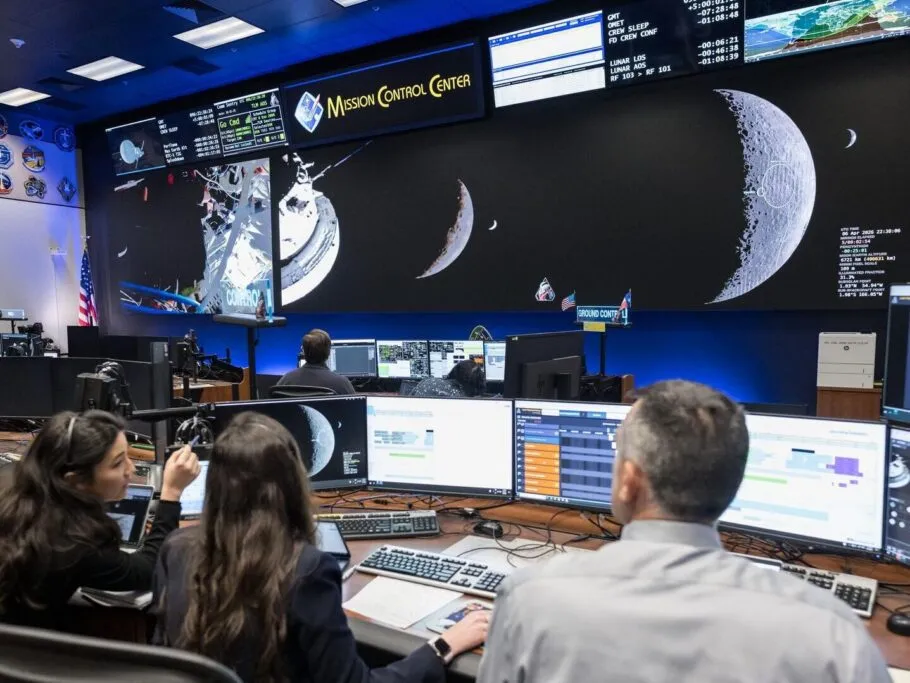
At NASA, AI is helping scientists unlock discoveries hidden in decades of data - Microsoft Source
As NASA prepared for Artemis II, the agency’s first crewed mission around the moon in more than half a century, teams across the organization generated streams of information – safety analyses, engineering reviews and mission data scattered across at least 10 separate sources. “We have so much open data, and it can sometimes be hard to find. It can be hard to connect to it,” says Anna Steers-Smith, the agency’s senior advisor on AI.
0 comments
No comments yet. Be the first to share your thoughts!