Fine particles from aircraft exhaust become more harmful over time, lab tests suggest - Phys.org
This story deserves to be shared
Send it to someone who'd care, or post it on your networks.
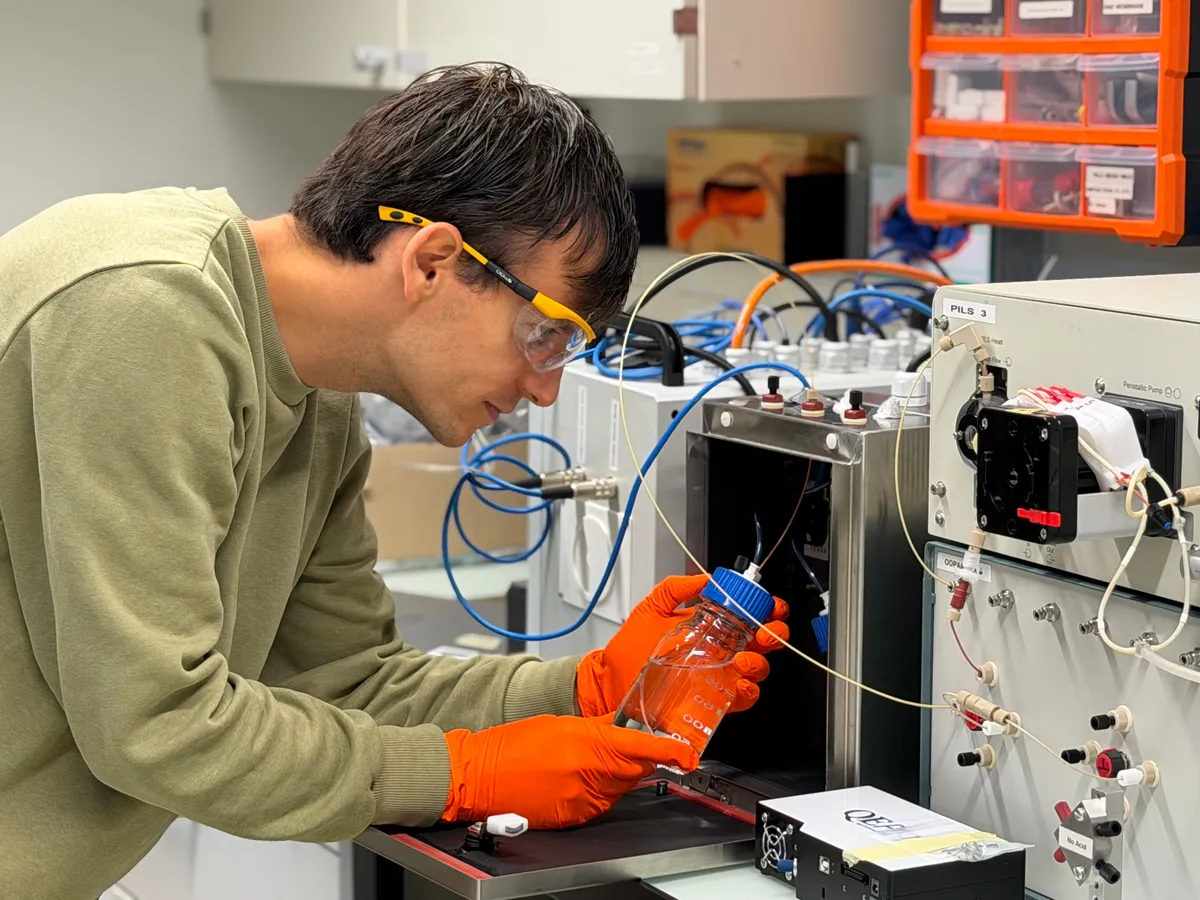
Battist Utinger is studying the oxidative potential of fine particulate matter in the laboratory. A device developed at the University of Basel can measure how much these particles can trigger harmful oxidative reactions. Fine particulate matter consists of tiny particles with diameters in the nanometer range. They are produced, for example, by fuel combustion, remain suspended in the air and can penetrate deep into the respiratory tract. There, they can trigger oxidative stress, a process that promotes inflammation and, over the long term, can lead to serious health problems such as respiratory or cardiovascular diseases.
This article is an excerpt. To read the full content, visit the original source. Phys.org
Related articles
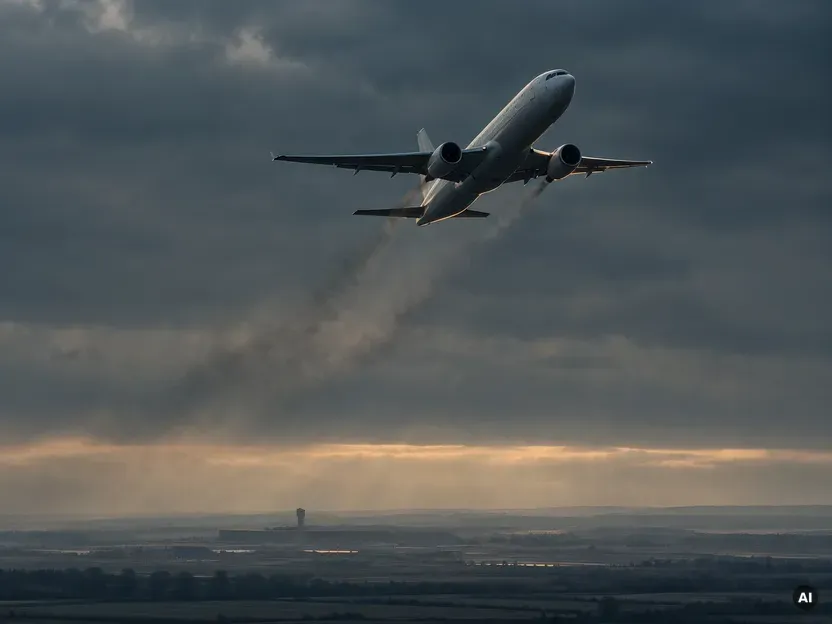
Fine particles from aircraft exhaust become more harmful over time - chemeurope.com
Researchers at the University of Basel have investigated how fine particles in exhaust emissions from aircraft and marine engines change in the atmosphere. Their findings show that aircraft emissions in particular become more toxic over time. Fine particulate matter consists of tiny particles with diameters in the nanometer range. They are produced, for example, by fuel combustion, remain suspended in the air and can penetrate deep into the respiratory tract. There, they can trigger what is known as oxidative stress – a process that promotes inflammation and, in the long term, can lead to serious health problems such as respiratory or cardiovascular diseases. Scientists refer to this harmful property of the particles as their oxidative potential.
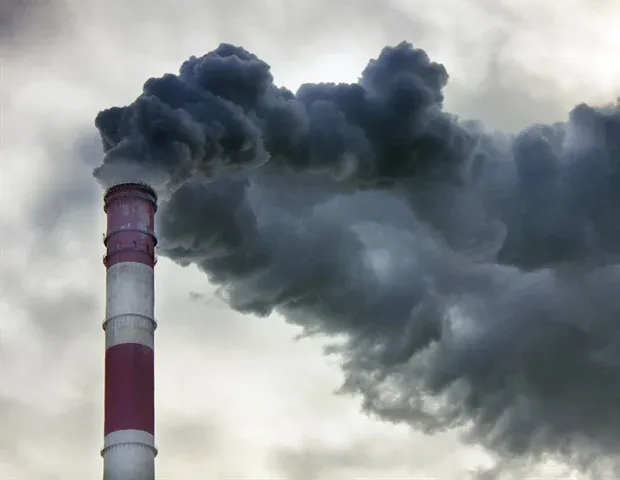
Aged aircraft exhaust poses a rising threat to human health - News-Medical
Fine particulate matter consists of tiny particles with diameters in the nanometer range. They are produced, for example, by fuel combustion, remain suspended in the air and can penetrate deep into the respiratory tract. There, they can trigger oxidative stress, a process that promotes inflammation and, over the long term, can lead to serious health problems such as respiratory or cardiovascular diseases. Scientists call this harmful property the particles' oxidative potential. However, fine particles usually remain in the atmosphere for hours or even several days before people inhale them. Little is known about how these particles' harmful properties change over time. A research team led by Professor Markus Kalberer therefore investigated how the oxidative potential, and thus the toxicity, of fine particles emitted by a small aircraft jet engine and a marine diesel engine develops over time.
0 comments
No comments yet. Be the first to share your thoughts!