Enigmatic Mercury Will Remain A Puzzle Until Someone Sends A Lander - Universe Today
This story deserves to be shared
Send it to someone who'd care, or post it on your networks.

Mercury remains one of our solar system’s most elusive and difficult planets to study. It's easier to send probes to the icy moons of Saturn or Jupiter, or even Pluto, than to land on our innermost planet of Mercury.
Ground-based optical observatories don’t risk turning their sights on Mercury, without potentially damaging their optics under the very nearby glare of the bright Sun. Thus, of the planets in our inner solar system, Mercury arguably remains both the least explored and most misunderstood.
This article is an excerpt. To read the full content, visit the original source. Universe Today
Related articles
MEDaL-1 Mars Lander Science Definition Team - Astrobiology Web
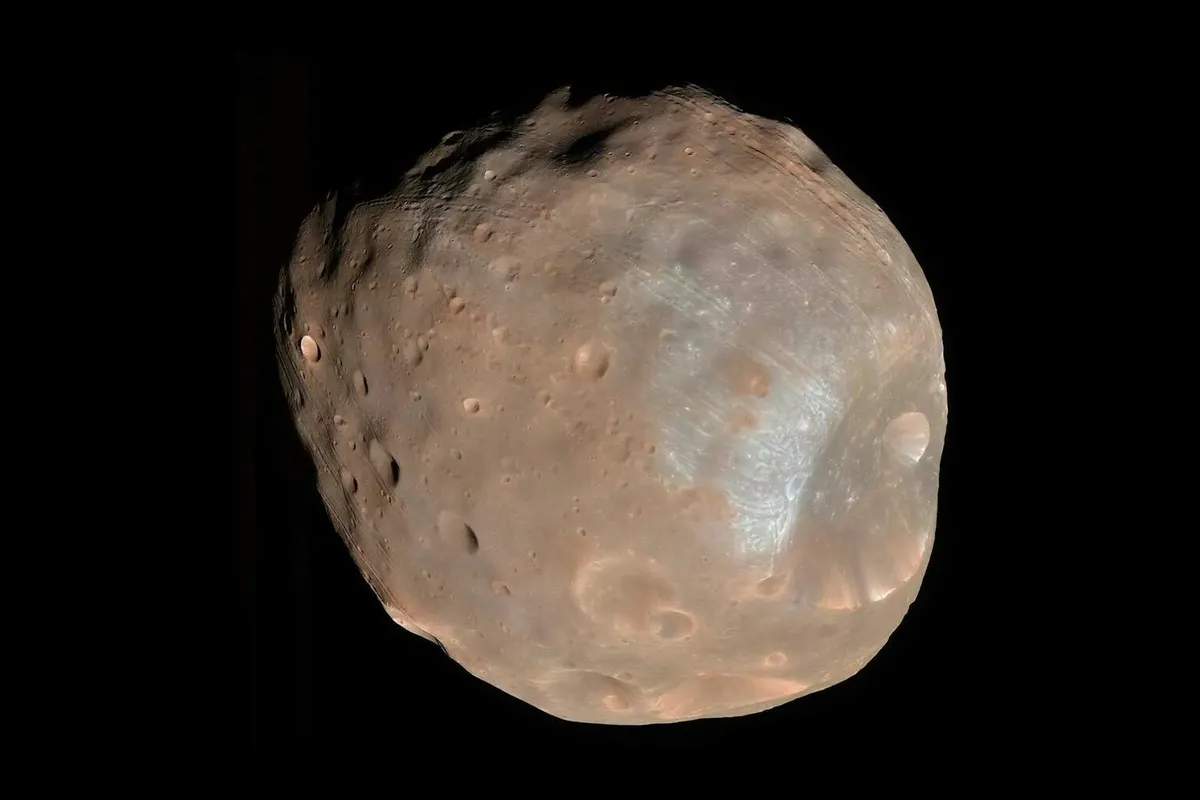
How did Mars get its moons? Japan's MMX space mission aims to solve the puzzle - Phys.org
Phobos is dominated by Stickney crater, a 9km (5.6-mile) bowl visible on the right. The Earth got its moon when a small planet collided with our planet more than 4 billion years ago. This impact hurled molten rock into space, which eventually coalesced to form the satellite we can see every night from across our planet. The red planet has two small, irregularly shaped moons called Phobos and Deimos. There are several theories on how these natural satellites formed, but no clear front-runner. Soon, a Japanese-led space mission called Martian Moons Exploration (MMX) will begin its hunt for the answer. 19, MMX is due to lift off on an H3 rocket from Tanegashima Space Center in southern Japan.
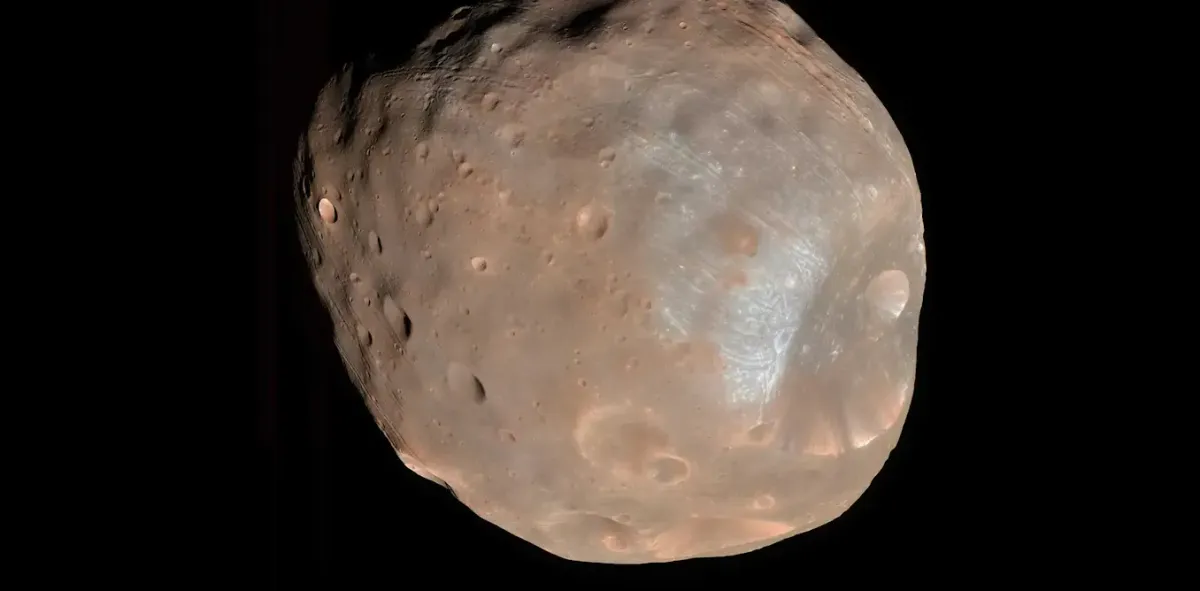
How did Mars get its moons? Japan’s MMX space mission aims to solve the puzzle - The Conversation
The Earth got its Moon when a celestial object collided with our planet more than four billion years ago. This impact hurled molten rock into space, which eventually coalesced to form the satellite we can see every night from across our planet. But what of our neighbour, Mars? The red planet has two small, irregularly shaped moons called Phobos and Deimos. There are several theories on how these natural satellites formed, but no clear front-runner. Soon, a Japanese-led space mission called Martian Moons Exploration (MMX) will begin its hunt for the answer.
0 comments
No comments yet. Be the first to share your thoughts!