Emergency physician burnout: 1 in 10 ED physicians leaving specialty - www.hospitalnews.com
This story deserves to be shared
Send it to someone who'd care, or post it on your networks.
This article is an excerpt. To read the full content, visit the original source. www.hospitalnews.com
Related articles

Preventing burnout among healthcare professionals: the role of workplace - UOC
Burnout is a syndrome that can develop as a result of chronic work-related stress that is not properly managed. It can affect workers' health, the quality of care they provide and the sustainability of services. It involves physical and emotional exhaustion and can affect anyone working in any sector, although it is particularly common among healthcare professionals due to high work and emotional demands, time pressure, bureaucracy, limited resources, a poor work-life balance and the perception of being undervalued. These factors can lead to emotional exhaustion, psychological disengagement from their work and reduced job satisfaction. The study, titled Characterization of healthcare professionals with low levels of occupational burnout, has identified protective factors against burnout in healthcare professionals. The research was promoted by the Social Observatory and led by Dr Oriol Yuguero of the Universitat Oberta de Catalunya's (UOC) eHealth Centre and Anna Mitjans, project coordinator at the Galatea Foundation, with the collaboration of the Universitat Autònoma de Barcelona (UAB), the University of Lleida (UdL) and the Catalan Institute of Health (ICS).
WHO formalize partnership with the largest organization for physicians and oncology professionals - World Health Organization (WHO)
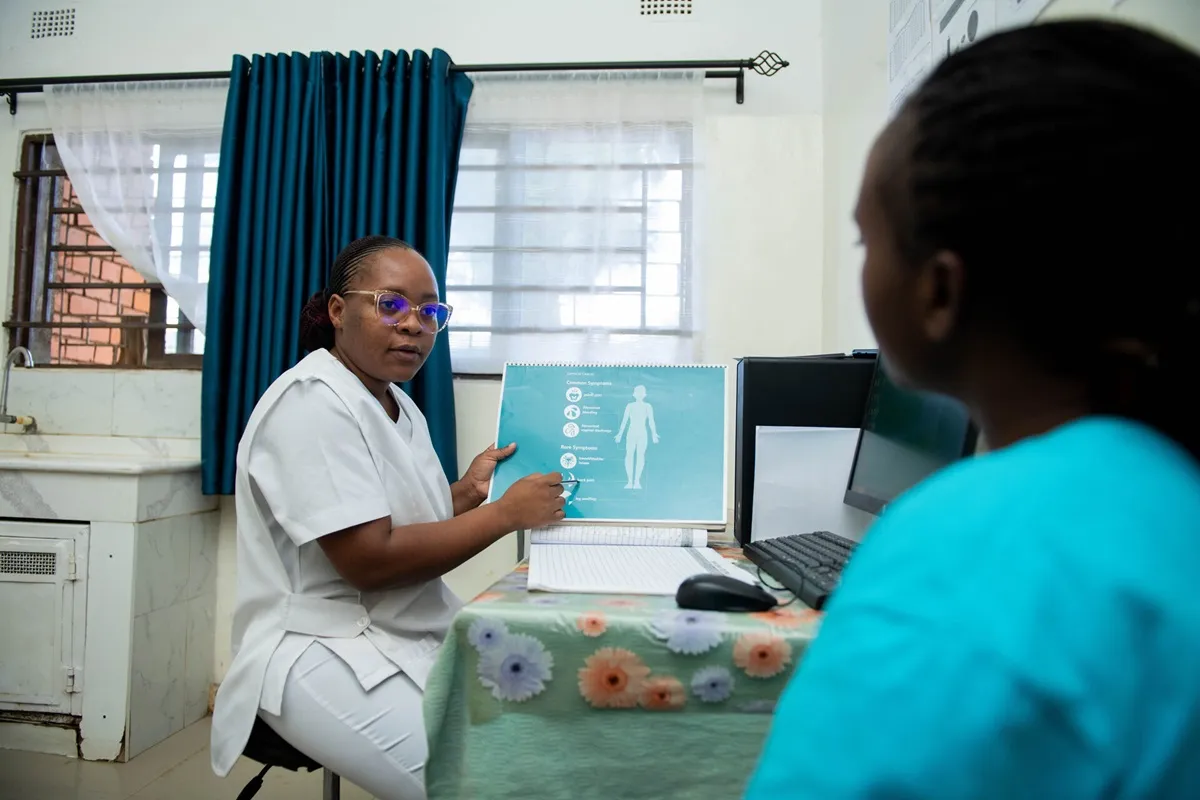
Cancer is one of the leading causes of morbidity and mortality worldwide, affecting 92% of families around the world, according to the latest estimates from the World Health Organization (WHO) Global status report on cancer 2026. The highest health, social and economic burdens occur in low- and middle-income countries, where limited access to high-quality care causes avoidable harm to communities. Determined to improve access to quality cancer care internationally, WHO and the American Society of Clinical Oncology (ASCO) have signed a collaboration agreement, with the joint objective of elevating quality as a priority in the global cancer agenda and supporting governments in implementing programmes that improve access and, ultimately, survival. The new agreement between ASCO and WHO prioritizes three defined areas: capacity building in core health professional competencies in cancer care; improving access to cancer clinical trials; and strengthening quality, accessibility and accountability in cancer care. “This agreement is a pivotal step in our collective effort to improve access to quality cancer care globally.
Hospitals and Medics Should Never Be a Target: Documenting and Demanding Justice for Attacks on Health Care - Physicians for Human Rights - PHR
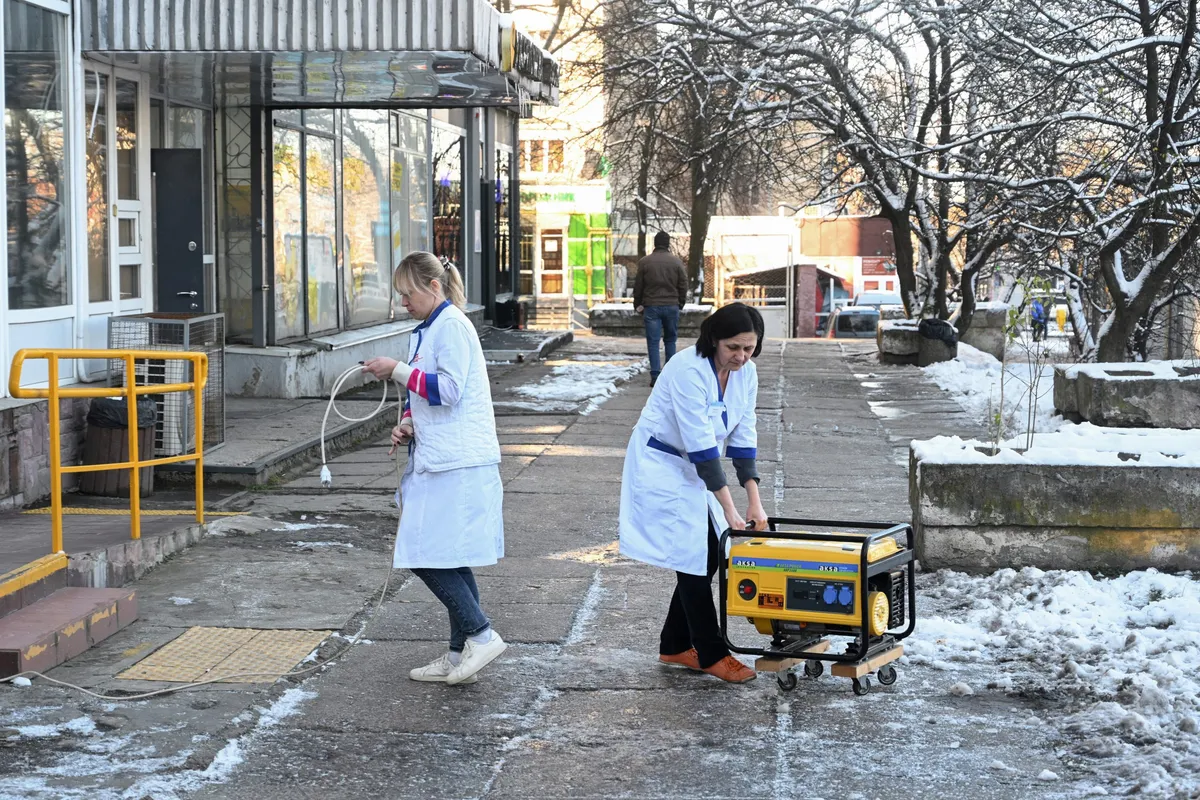
A decade ago, the UN Security Council unanimously passed Resolution 2286 condemning attacks on health care facilities and personnel in conflict. While this resolution was hailed as a turning point, attacks on health care have since skyrocketed. 2025 saw a record 1,981 health workers and patients killed, more than twice as many killings as in 2024 and 2023 and more than eight times as many as in 2022. When hospitals and ambulances are attacked and health workers and patients are killed, the damage extends far beyond the immediate loss of life. Health systems collapse, civilians are cut off from lifesaving medical care, and maternal and child mortality rises.
0 comments
No comments yet. Be the first to share your thoughts!