Common Sleep Supplement May Also Ease Chronic Pain, Review of 23 Trials Reveals - ScienceAlert
This story deserves to be shared
Send it to someone who'd care, or post it on your networks.
This article is an excerpt. To read the full content, visit the original source. ScienceAlert
Related articles
How the pursuit of science also serves modernity - Resilience
Few among us question actions done “in the name of science” when said actions are carried out by credible groups or individuals. It goes without saying that the acquisition and expansion of knowledge is highly valued. As long as the pursuit is not directly harmful to people, it generally gets a pass. But one level deeper, what is science itself done in the name of? Not surprisingly, much of science is in the service of modernity: producing remarkable short-term advantages for humans—generally at the expense of the rest of the Community of Life on both short- and long-term scales. A great deal of the scientific enterprise concentrates on technology. Market systems assure funding for efforts that will facilitate continued growth: accessing more energy, more materials (and novel ones, to boot), more indispensable gadgets, and longer lives for affluent humans whose ecological footprints are already monstrous (let’s keep those ones going the longest, yeah?).
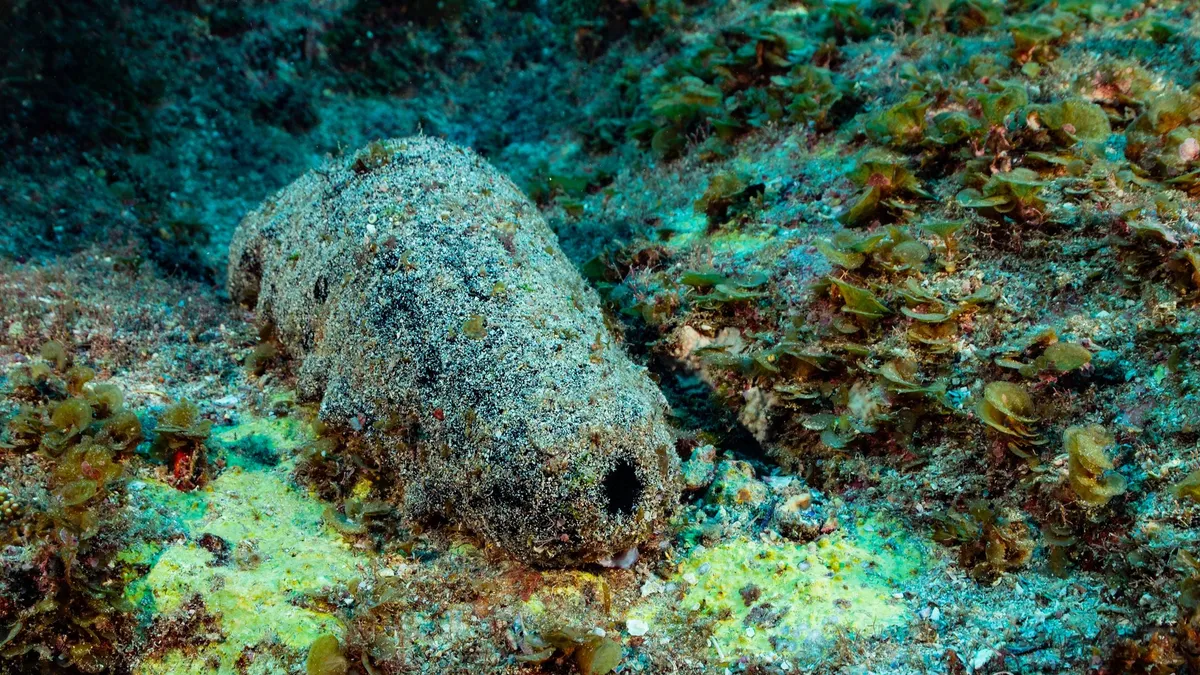
This Sea Creature Looks Like Poop. It May Also Live For 120 Years. - ScienceAlert
Somewhere in the world, surely, a Monkey's Paw is cackling maniacally to itself. Scattered across the Pacific and Indian Oceans, a humble sea cucumber named Holothuria (Microthele) whitmaei makes its home. This unassuming animal somewhat resembles poop, has been saddled with the lamentable common name "black teatfish", and is highly prized as a delicacy in some cultures – even though it has been listed as endangered for more than a decade. And yet, a new study has found, H. whitmaei may live for more than 120 years. In a genetic study spanning more than two decades, a team led by biologist Sven Uthicke of the Australian Institute of Marine Science has discovered that this species barely grows at all – and can live for an astonishingly long time. "Although individuals of some sea urchin species can live to over 100 years, deriving at a similar conclusion for the black teatfish was surprising," they write in a paper published in iScience. "This species is the first sea cucumber species known to surpass a longevity of a century.

SpaceX Sent 6,300 Pounds to the Space Station. The Strangest Cargo Was Grown in a Lab - Inc.com
The spacecraft delivered materials and equipment for new research studies to the station.
Integrating hippopotamus optimization algorithm into machine learning frameworks for predicting suspended sediment concentrations - Nature
ORCID: orcid.org/0000-0001-8061-88361, Yaser Mehri2, Ali Abdolrazaq Sabbar3, Mohammad Javad Nahvinia3 & … Mohammad Hosein Omid2 We’re sharing this article early to provide faster access to peer-reviewed, accepted research. It is citable and carries a permanent DOI. This version is subject to further edits and will be replaced automatically by the final Version of Record. All legal disclaimers apply.
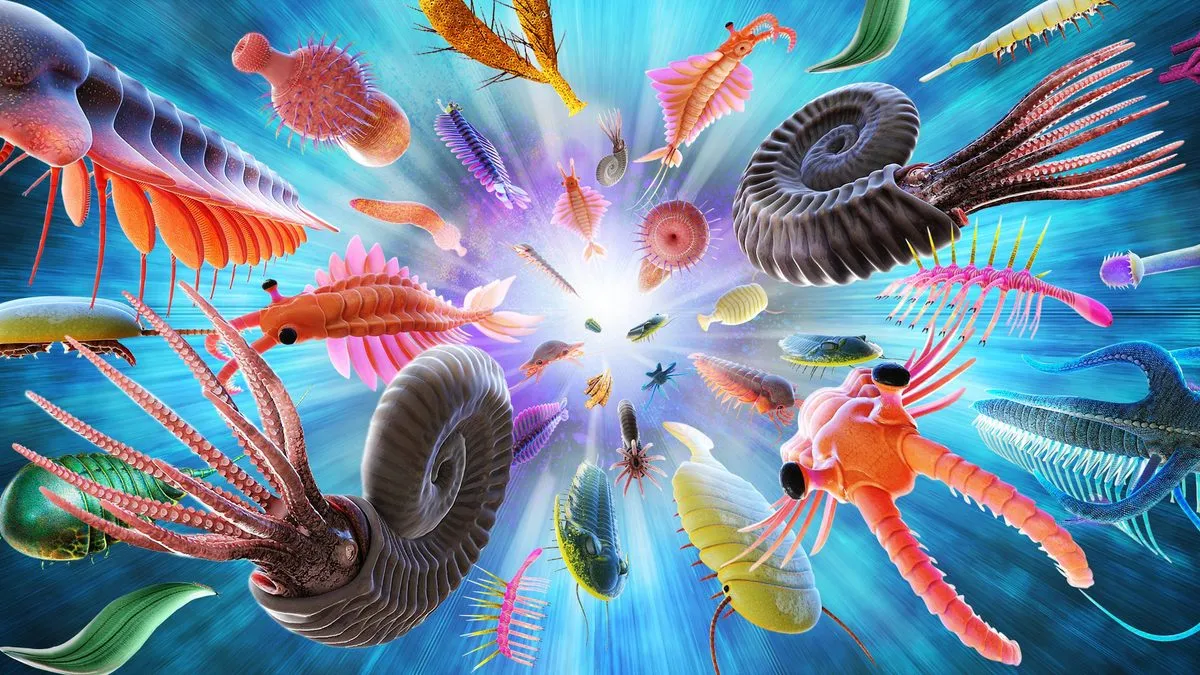
Did an eruption of poop trigger the biggest explosion of life and diversity Earth has ever seen? - BBC Wildlife Magazine
The history of life on Earth doesn’t start with the Cambrian Explosion. However, this was the point in time that nearly all major animal groups appeared, proliferated, and diversified. It wiped out 90% of life on Earth, turned the oceans into graveyards – and it very nearly ended life on our planet entirely
0 comments
No comments yet. Be the first to share your thoughts!