Chips, cereals and frozen meals could raise risk of brain damage and dementia, study finds - CP24
This story deserves to be shared
Send it to someone who'd care, or post it on your networks.
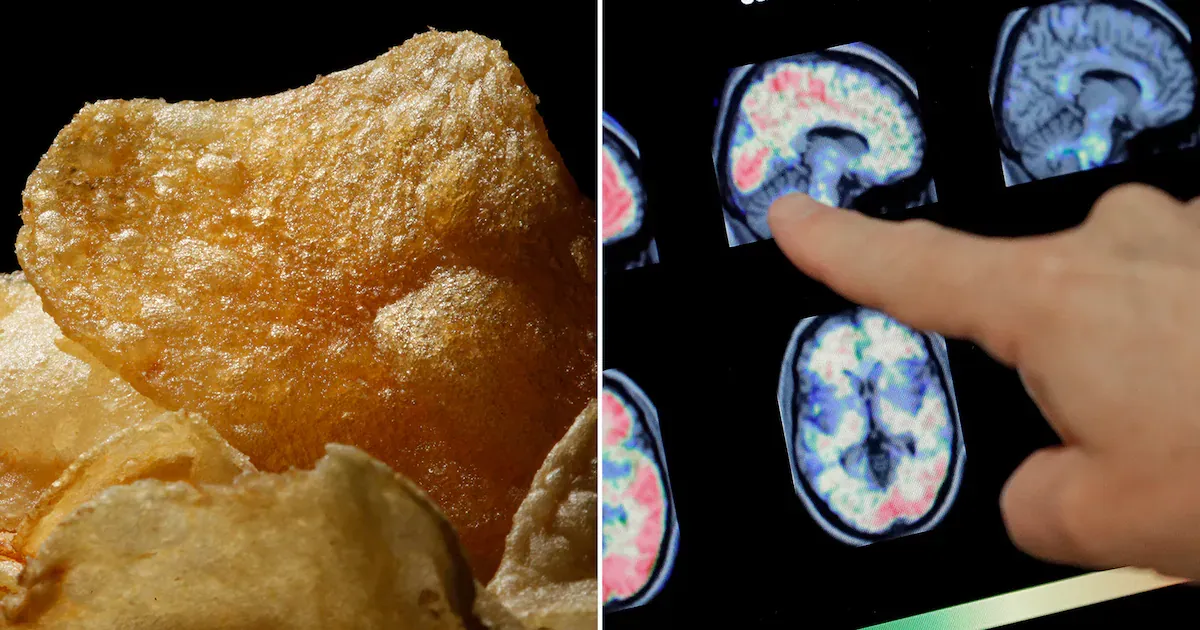
A decade-long Canadian study explores how ultra-processed foods may affect body fat, metabolism, and the risks of stroke and dementia. Adrian Ghobrial reports. HAMILTON, Ont. - A Canada-wide research study that began in 2014, has uncovered a new possible link between brain damage and ultra-processed foods. “Chips, sweet breakfast cereals, highly processed sweet yogurts and some frozen food meals,” are just some of the items that fall under the ultra-processed food umbrella according to Russell De Souza, health research professor at McMaster University and registered dietitian. More than 8,700 middle-aged Canadians took part in the study that began more than a decade ago. Participants included those who eat very little processed foods and those who eat them frequently. An MRI was conducted on each individual.
This article is an excerpt. To read the full content, visit the original source. CP24
Related articles
Chips, cereals and frozen meals could raise risk of brain damage and dementia, study finds - CP24
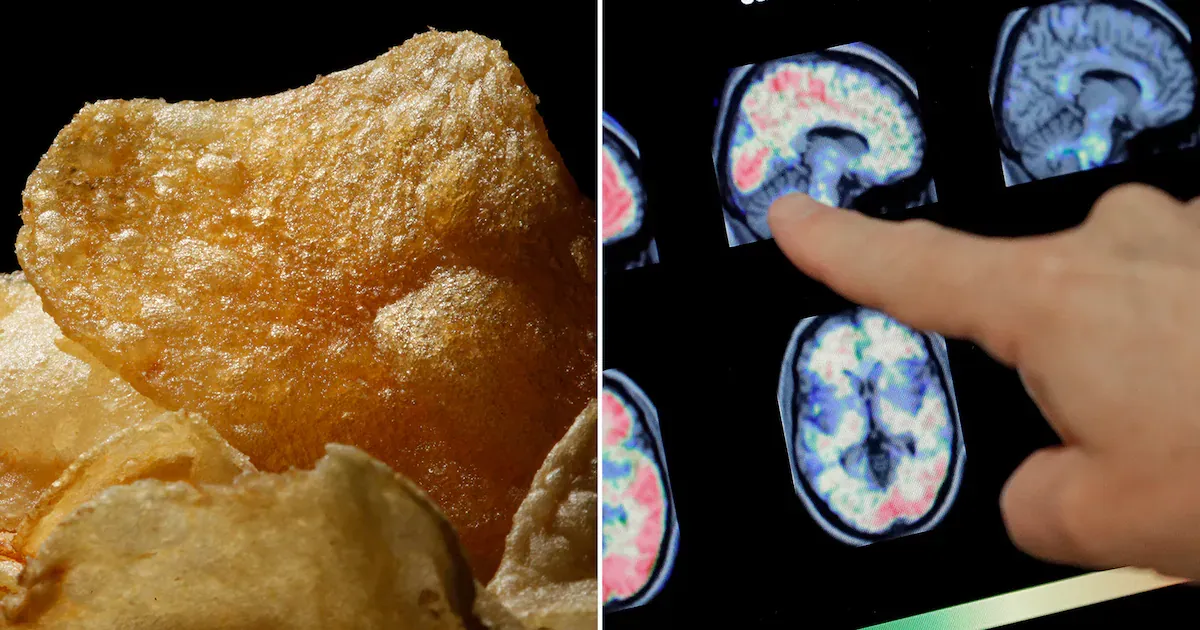
A decade-long Canadian study explores how ultra-processed foods may affect body fat, metabolism, and the risks of stroke and dementia. Adrian Ghobrial reports. HAMILTON, Ont. - A Canada-wide research study that began in 2014, has uncovered a new possible link between brain damage and ultra-processed foods. “Chips, sweet breakfast cereals, highly processed sweet yogurts and some frozen food meals,” are just some of the items that fall under the ultra-processed food umbrella according to Russell De Souza, health research professor at McMaster University and registered dietitian. More than 8,700 middle-aged Canadians took part in the study that began more than a decade ago. Participants included those who eat very little processed foods and those who eat them frequently. An MRI was conducted on each individual.
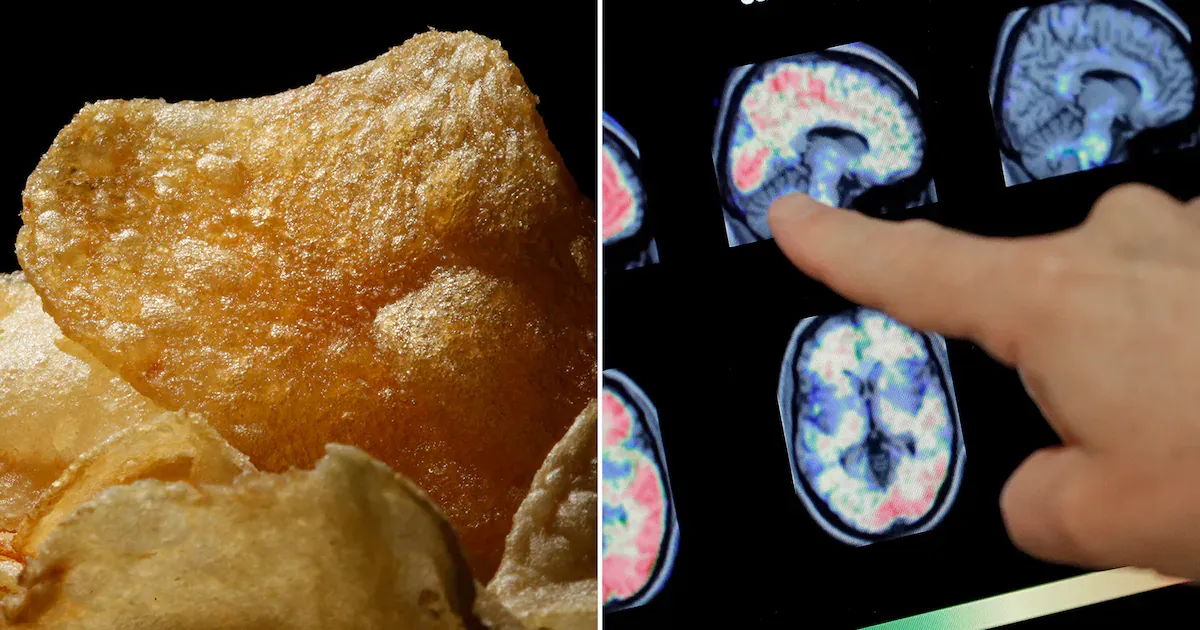
Chips, cereals and frozen meals could raise risk of brain damage and dementia, study finds - CTV News
AtlanticNova ScotiaNew BrunswickPrince Edward Island Newfoundland and LabradorCalgaryLethbridgeKitchenerGuelphNorthern OntarioSudburyNorth BaySault Ste. MarieTimminsOttawaKingstonBrockvillePembrokeReginaYorktonSaskatoonPrince AlbertTorontoWatchWeatherPeelHamiltonDurhamYorkHaltonNiagaraQueen's ParkToronto City HallIn PicturesVancouverVancouver IslandCanadaLocal SpotlightRoyal FamilyPoliticsNanosPower PlayQuestion PeriodFederal Election 2025WorldMideast ConflictRussia-Ukraine WarWatchLatestCaptured on CameraPoliticsLifestyleConsumerHealthExplainedEntertainmentTechnologyDeception DecodedAutosEnvironmentBusinessInflationReal EstateAutos
Shear strength behavior of frozen unsaturated sands under thermal loads - Nature
We’re sharing this article early to provide faster access to peer-reviewed, accepted research. It is citable and carries a permanent DOI. This version is subject to further edits and will be replaced automatically by the final Version of Record. All legal disclaimers apply. AbstractUnderstanding the mechanical behavior of frozen unsaturated sand under thermal gradients is crucial for the design and maintenance of infrastructure in permafrost regions. In this study the shear strength of Ottawa sand under varying temperatures, degrees of saturation, and loading conditions is investigated. A series of laboratory experiments were performed to measure the shear strength of Ottawa sand using direct simple shear equipment placed in a temperature controlled environmental chamber. During the experiments, soil temperatures and stress–strain curves were recorded, and they were analyzed to determine the strength behavior. Results show that shear strength increases with decreasing temperature, increasing ice content, strain rate, and normal stress.
Shear strength behavior of frozen unsaturated sands under thermal loads - Nature
We’re sharing this article early to provide faster access to peer-reviewed, accepted research. It is citable and carries a permanent DOI. This version is subject to further edits and will be replaced automatically by the final Version of Record. All legal disclaimers apply. AbstractUnderstanding the mechanical behavior of frozen unsaturated sand under thermal gradients is crucial for the design and maintenance of infrastructure in permafrost regions. In this study the shear strength of Ottawa sand under varying temperatures, degrees of saturation, and loading conditions is investigated. A series of laboratory experiments were performed to measure the shear strength of Ottawa sand using direct simple shear equipment placed in a temperature controlled environmental chamber. During the experiments, soil temperatures and stress–strain curves were recorded, and they were analyzed to determine the strength behavior. Results show that shear strength increases with decreasing temperature, increasing ice content, strain rate, and normal stress.
0 comments
No comments yet. Be the first to share your thoughts!