Ancient Egyptians sacrificed pharaohs' servants so they could continue to serve their king in the afterlife, new study finds - Live Science
This story deserves to be shared
Send it to someone who'd care, or post it on your networks.
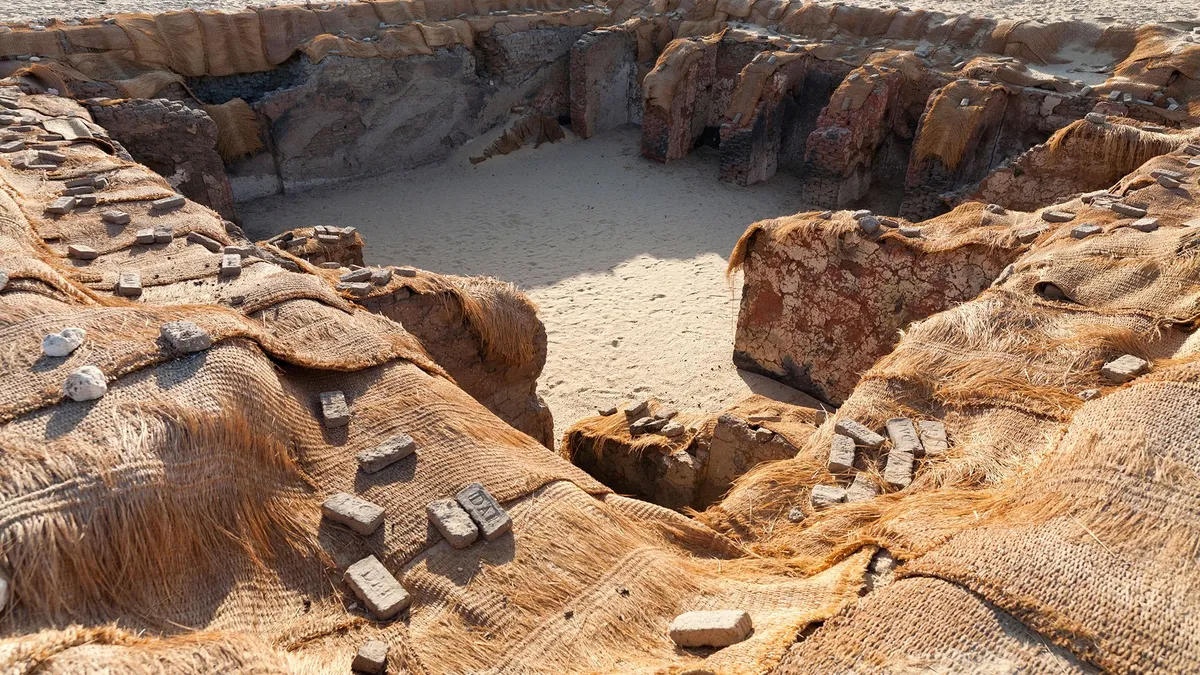
The ancient Egyptians practiced human sacrifice around 5,000 years ago, a new study finds.
This article is an excerpt. To read the full content, visit the original source. Live Science
Related articles
The surprising afterlife of an elephant in the African savannah - CBC
| CBC News | Posted: October 15, 2026 3:25 PM | Last Updated: October 15New study finds elephants continue to transform the savannah ecosystem years after deathImage | lion_cub_near_elephant_feetCaption: New study reveals elephant carcasses continue to impact the African savanna ecosystem, years after the animal passes away. (Submitted by Courtney Reed)LISTEN | How elephants affect the soil for years after they die:Media Audio | As It Happens : Open full embed in new tab Loading external pages may require significantly more data usage than loading CBC Lite story pages. Across the sun-baked plains of the African savannah, elephants are bringing new meaning to life after death. At least, that’s according to the findings of a new study by an international team of researchers who examined the sites of elephant carcasses in South Africa’s Kruger National Park. These gentle grey giants — often referred to as “ecosystem engineers” — are known to shape the savannah when they’re alive, excavating waterholes, knocking down trees and consuming copious amounts of vegetation. That much, researchers knew already.

Sharon Says Ozzy Deliberately Sacrificed 'Months' of His Life for Final Sabbath Show. He Spent His Remaining 17 Days 'Elated': 'He Was So, So Happy' - Ultimate Guitar
'It was Ozzy's goodbye, and he knew it was his goodbye. My kids didn't know. We didn't tell the children. We didn't tell anyone.'

Simulations explore nuclear mitigation of asteroid threats - Phys.org
Lawrence Livermore National Laboratory researcher Isaiah Santistevan led the development of three-dimensional simulations exploring how a nuclear device could deflect or disrupt an asteroid threatening Earth. Credit: Blaise Douros/LLNL Lawrence Livermore National Laboratory (LLNL) researchers are developing three-dimensional simulations to examine how a nuclear device could be used to deflect or potentially disrupt an asteroid threatening Earth.
0 comments
No comments yet. Be the first to share your thoughts!