Add to playlist: the buzzy bildungsromans of boy wonder Superfan and the week’s best new tracks
This story deserves to be shared
Send it to someone who'd care, or post it on your networks.
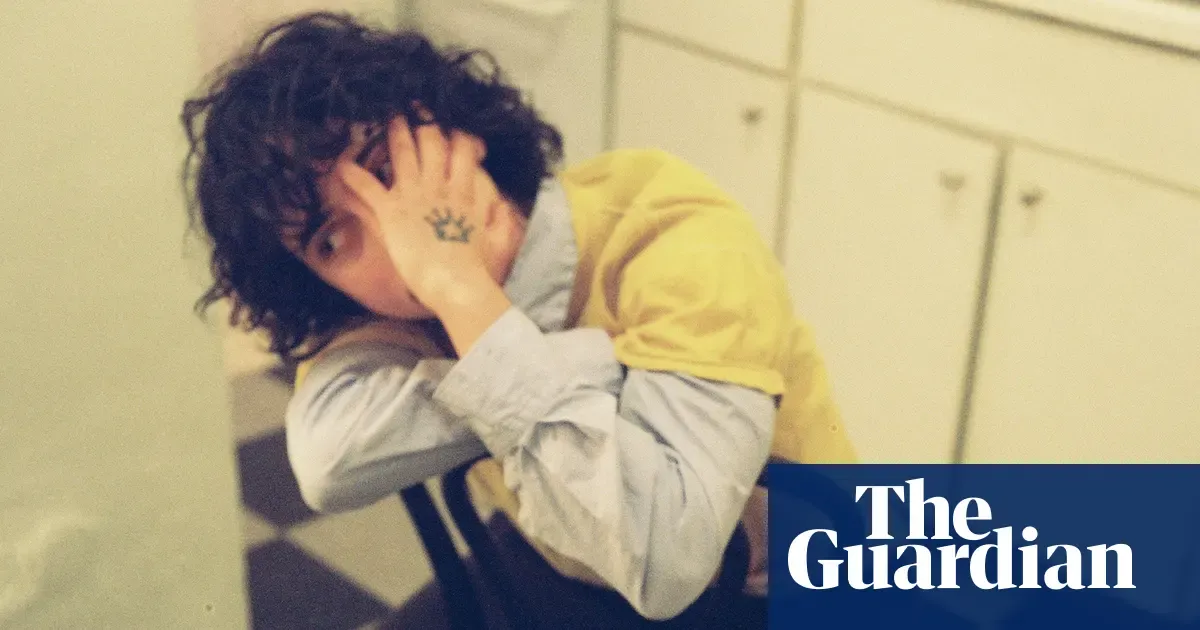
Up next My Piledriver Heart album out now; UK tour beginning 4 NovemberMaking coming-of-age music as a young person can feel strange after a pandemic. So here are a few more curveballs. Imagine the breezy, youthful indie you post online in your early teens gets you a record deal. Covid happens. You move to New York, change your artist name, and then Julian Casablancas eyes you at an open mic and invites you to open for the Strokes in Colorado, aged 18, solo. This pinball game of life is the music career of Superfan, AKA Kali Flanagan, who is now 21 and whose latest album, My Piledriver Heart, offers up a codex of miniature bildungsromans worth the buzz. Flanagan’s primary tools are some of the simplest: drop-tuned, condensed acoustic guitars (which he calls “acousticellos”) and quietly strong vocals reminiscent of Elliott Smith or Alex G. Roomy drums and distortion on tracks such as In the Gold Room or Keeping Your Smile add a welcome noisy edge.
This article is an excerpt. To read the full content, visit the original source. The Guardian Culture
Related articles

‘I drunkenly sing Wonderwall off-key and awfully’: Rebecca Ferguson’s honest playlist
When I was five or six, my mum wouldn’t let me listen to anything other than Christian gospel. Her friend Jane felt sorry for me and brought me a cassette with Whitney Houston on one side and Cher on the other. My ears couldn’t believe what they were hearing. I Will Always Love You made me think: This is what I’m going to do. The first single I bought So Young by the Corrs, from Sainsbury’s in Walton Village in Liverpool. I couldn’t really afford music as a kid, so buying a record was a big deal. I’d heard the Corrs on the radio, liked their voices and thought: I’m buying this. The song that is my karaoke go-to
After Protests and Riots, Art Basel Readies Paris Show
'The fair is proceeding as planned and final preparations are underway,' a spokesperson said. The post After Protests and Riots, Art Basel Readies Paris Show appeared first on Artnet News .
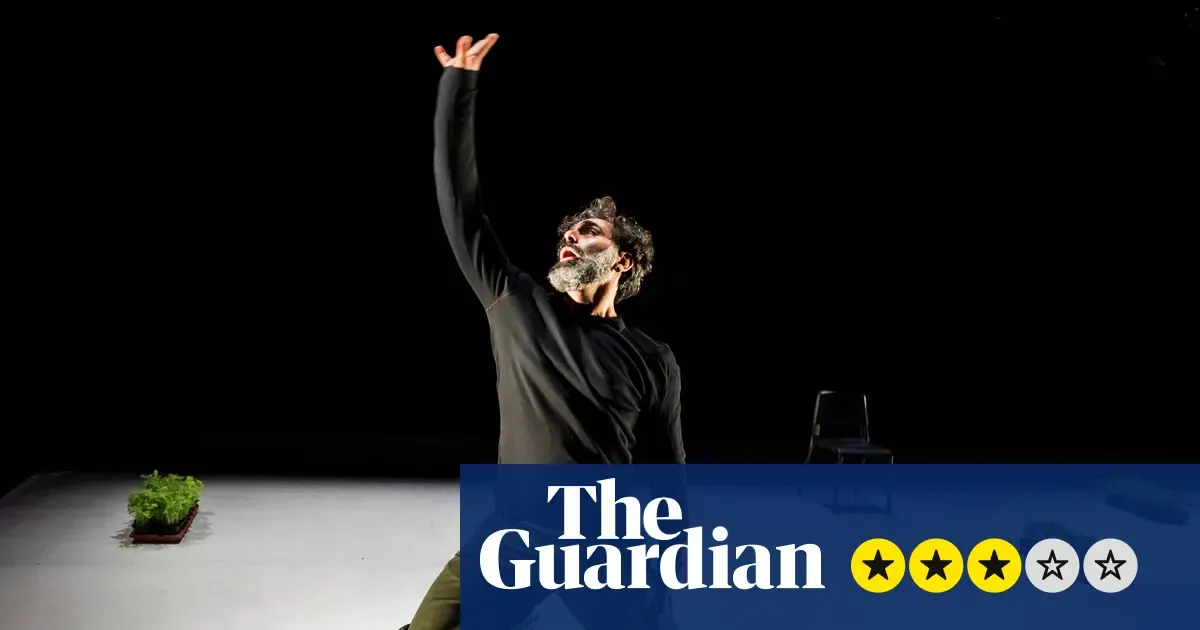
Dance Is Not for Us review – desire and defiance as one revolutionary mover sweats it all out
In August 2019, Omar Rajeh sat in his bedroom, listening to the sound of pounding percussion with his world in crisis. In the midst of political instability, Citerne Beirut, a theatre and cultural centre Rajeh had founded in his native Lebanon, was forced to close, dismantled by order of the local government, who planned to build an incinerator on the site. Heartfelt … Omar Rajeh in Dance Is Not for Us. Photograph: Tristram Kenton/the GuardianRajeh tells us that as a teenager, coming of age at the end of the Lebanese civil war, dance had always seemed like the most revolutionary thing he could do. Now here he is, more than three decades later, still dancing – out of frustration, defiance, resistance and a desire to connect. As the percussive score gains momentum, Rajeh’s busy body builds up a sweat. In this danced stream of consciousness, Rajeh is not always an especially elegant mover, but he dances like it’s a necessary thing to do. Part of this year’s Dance Umbrella festival, Dance Is Not for Us is a solo that appears at times like an explosion of physical instinct, but it is mostly calm, considered musings on the nature of choreography, with all its workings exposed.
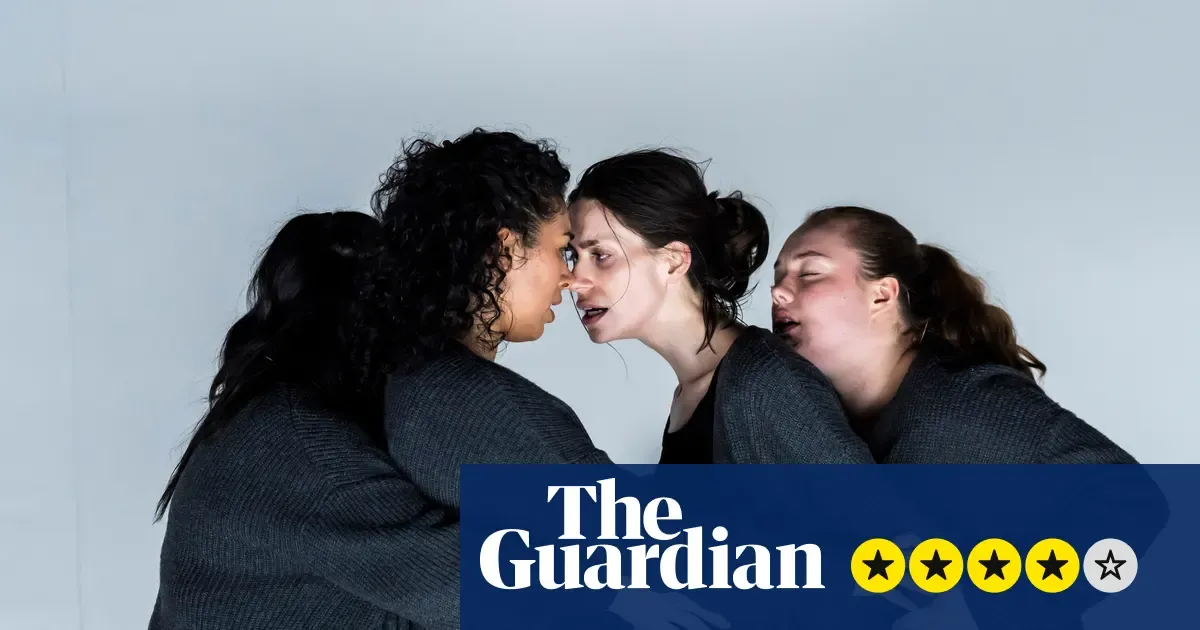
4.48 Psychosis review – a dazzling, harrowing opera worthy of Sarah Kane’s furious writing
Sarah Kane revolutionised British theatre with five provocative plays written between 1995 and 1999. Her final work, 4.48 Psychosis, was her most personal, confronting the clinical depression she struggled with for years. The play was first performed posthumously in 2000, after she died by suicide in 1999. The Royal Opera and Guildhall School of Music and Drama commissioned Philip Venables to adapt the play as an opera, which debuted in 2016. The composer, also known for a certain “in-yer-face” approach, set Kane’s original text almost entirely, realising its 24 disjointed sections in a raw, imaginative score teeming with minimalist licks, prickly synth-pop and consoling nods to the baroque. The libretto shifts between poetic abstraction and scathing exchanges between a patient and a psychologist. An ensemble of six female singers navigates themes of depression, isolation and the agonising choices surrounding medication. One fractured personality … Sophia Burgos, Veena Akama-Makia, Hannah Edmunds and Jacquelyn Stucker in 4.48 Psychosis.
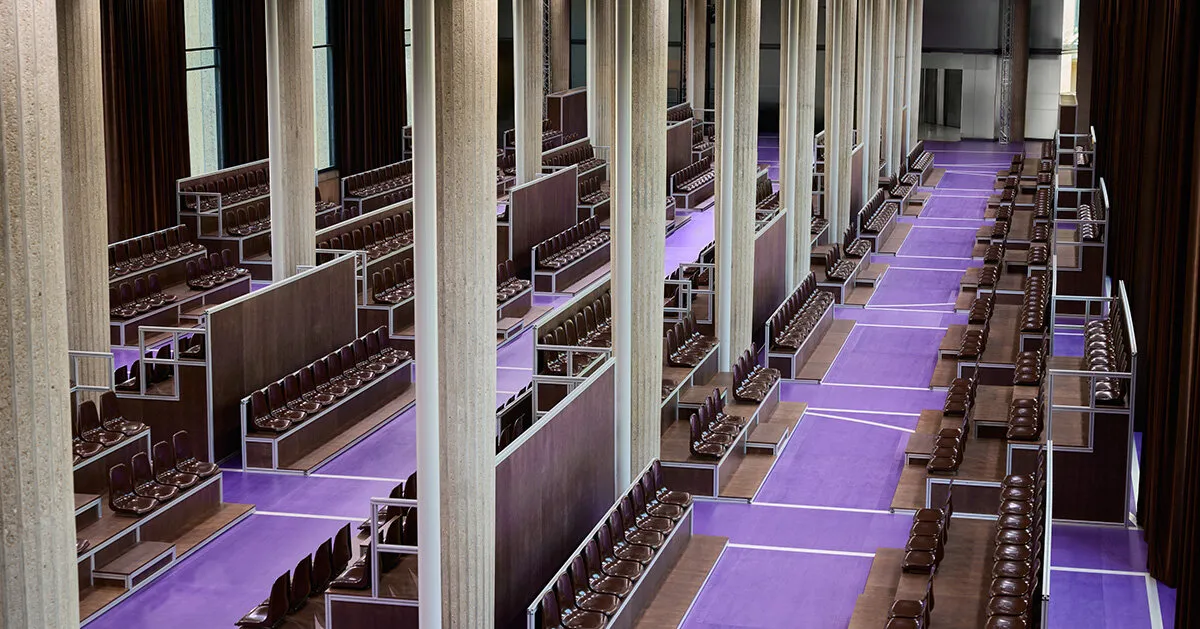
dennis vanderbroeck creates settings for the moments that bring us together
moving between fashion, theater, and music, the dutch spatial designer treats architecture as a framework for encounter, where the relationship between performers and audiences matters as much as the space itself. thomai tsimpou October 18, 2026 8 min prefer designboom on googledennis vanderbroeck on designing experiencesA fashion show or a live performance may last only a few minutes, but what happens in the room is harder to capture. For Dennis Vanderbroeck, this temporary collectiveness is at the heart of his work, which moves between fashion, theater, music, and performance. The Dutch spatial designer approaches his work as a way to bring people together and shape how they encounter one another. With a background in theater, Vanderbroeck focuses on the experience a setting creates. His designs set the scene for encounters between performers and audiences, leaving room for the unexpected. ‘I always say that our designs are just a tool to facilitate the experience,’ he tells designboom.
0 comments
No comments yet. Be the first to share your thoughts!