BBlogFlow

Categories

Health

5204 articles

Health

News Analysis: AI offers new route to cancer vaccines, but hurdles remain - Xinhua

LONDON, Oct. 16 (Xinhua) -- British researchers are bringing artificial intelligence (AI), automated laboratories and supercomputing together to accelerate the development of personalized cancer vaccines. The effort aims to test whether a more connected research process can shorten the journey from identifying a tumor target to treating a patient. The University of Oxford announced early this month that the Advanced Research and Invention Agency (ARIA) was providing an additional 8 million pounds (about 10.6 million U. S. dollars) for the university's UK Cancer Vaccine AI Scientist and Supercomputing Project. The project combines AI tools for selecting vaccine targets with automated laboratory experiments and data analysis, under the guidance of oncologists. "AI gives us an extraordinary opportunity to find vaccine targets faster and learn from every experiment," said Dr Lennard Lee at Oxford's Center for Immuno-Oncology. Personalized cancer vaccines aim to direct a patient's immune system against their tumor. A central challenge is identifying tumor fragments that will trigger an effective immune response.

Xinhua·
Health

News Analysis: AI offers new route to cancer vaccines, but hurdles remain - Xinhua

LONDON, Oct. 16 (Xinhua) -- British researchers are bringing artificial intelligence (AI), automated laboratories and supercomputing together to accelerate the development of personalized cancer vaccines. The effort aims to test whether a more connected research process can shorten the journey from identifying a tumor target to treating a patient. The University of Oxford announced early this month that the Advanced Research and Invention Agency (ARIA) was providing an additional 8 million pounds (about 10.6 million U. S. dollars) for the university's UK Cancer Vaccine AI Scientist and Supercomputing Project. The project combines AI tools for selecting vaccine targets with automated laboratory experiments and data analysis, under the guidance of oncologists. "AI gives us an extraordinary opportunity to find vaccine targets faster and learn from every experiment," said Dr Lennard Lee at Oxford's Center for Immuno-Oncology. Personalized cancer vaccines aim to direct a patient's immune system against their tumor. A central challenge is identifying tumor fragments that will trigger an effective immune response.
Xinhua·
Health

'Pill-on-a-thread' cancer screening trial comes to Lancashire - BBC

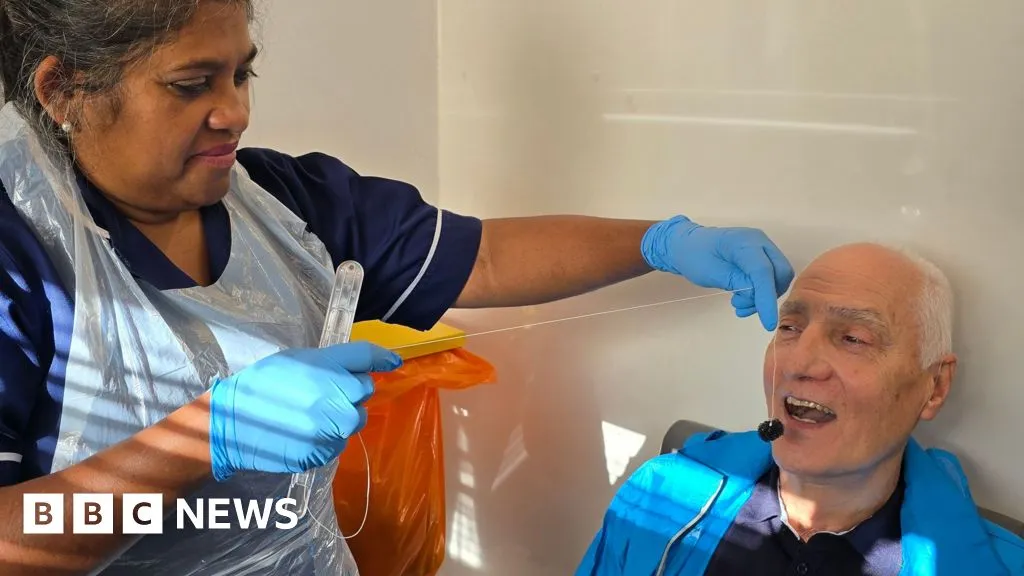
'I'm happy to be a guinea pig in cancer screening trial'7 hours agoDavid SavilleNorth WestCancer Research UKSenior research nurse Irene Debiram-Beecham is giving patients the procedure from a mobile unitA man who volunteered for a pioneering cancer screening trial has said he's "more than happy to be a guinea pig" if it helps others in the future. Paul Burrows, 70, from Inskip, Fylde, is among people recruited to test a new "pill-on-a-thread" device which researchers hope could pave the way for national screening that could transform the early detection of oesophageal cancer. The trial, backed by Cancer Research UK and the National Institute for Health and Care Research (NIHR), is now being rolled out in Lancashire through mobile screening vans based in Penwortham and Preston. Burrows, who has suffered from heartburn for a decade, said he was keen to take part if it could help future patients. "The pill on the thread sounds fascinating," he said. "I'm more than happy to be a guinea pig and help out in a clinical trial if it will help others in the future.

BBC·
Health

Drinking 'Very' Hot Tea or Coffee Could Triple Your Risk of This Cancer, Huge Study Finds - ScienceAlert

Plenty of people like to start their day with a cup of tea or coffee, but the temperature of your preferred beverage could matter a lot more than you realize. A decade ago, the International Agency for Research on Cancer (IARC) made headlines when it classified very hot beverages at temperatures above 65 °C (149 °F) as "probably carcinogenic to humans". That 2016 finding followed evidence that mate, a herbal drink popular in South America and often drunk at very hot temperatures, was associated with an increased risk of esophageal cancer. Mate is typically consumed at temperatures as high as 70 °C (158 °F), but until now, the evidence for hot beverages consumed at cooler temperatures was inconclusive. "International research has shown for some time that drinking beverages like mate at very high temperatures, as is typical in South America, is linked to increased risk of certain esophageal cancers," says nutritional epidemiologist Keren Papier from the University of Oxford. "What was less clear was whether this also applied to the temperatures at which hot drinks are usually consumed in Western populations. "The temperature of hot beverages could matter a lot more than you realize.

ScienceAlert·
Health

USC scientists discover how to create a never-ending supply of cancer-fighting cells - Science Daily

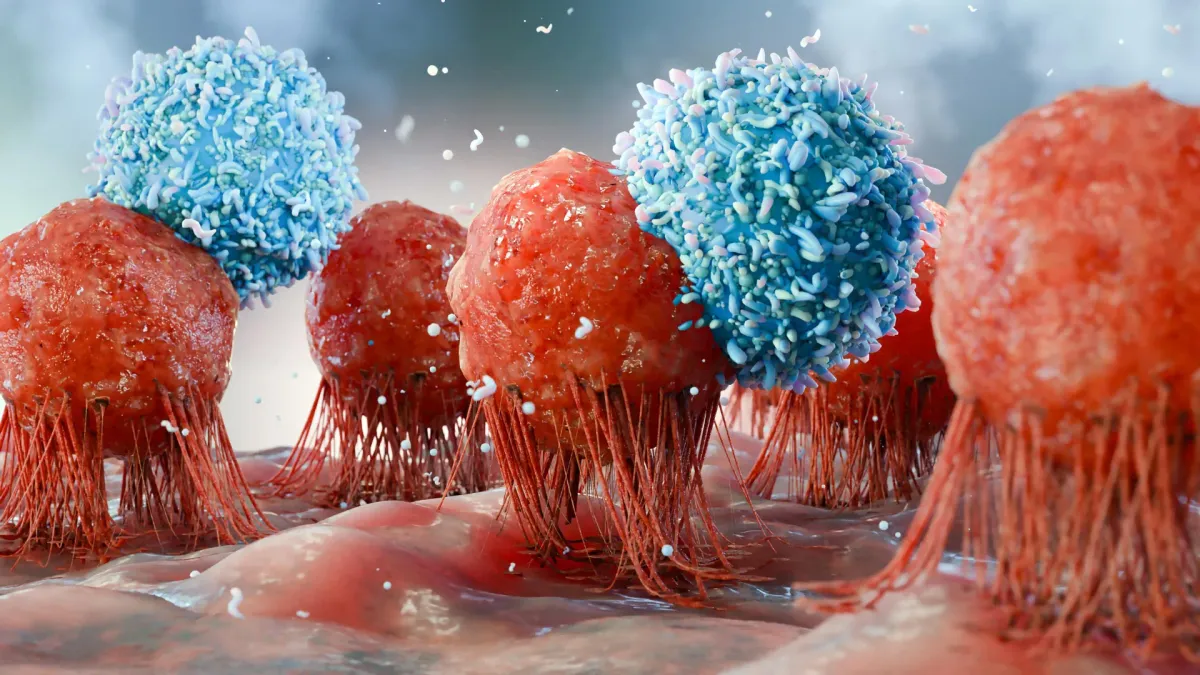
Scientists at the University of Southern California (USC) have discovered a way to produce a potentially renewable supply of cancer-fighting immune cells, opening a promising new direction for cancer treatment. By working with immature cells that can develop into powerful immune defenders, the researchers have created a system capable of generating large numbers of genetically engineered cells that recognize tumors and help activate the body's natural defenses. The breakthrough, described in a study published in Cell, could help overcome some of the biggest obstacles facing cancer immunotherapy, including the difficulty of manufacturing enough immune cells and keeping them active in the body. In experiments involving mice, the engineered cells established themselves in bone marrow, produced new immune cells, and slowed the progression of both blood cancers and solid tumors.

Science Daily·
Health

This Is the No. 1 Risk Factor for Dementia That You Can Actually Prevent, According to a Geriatrician - TODAY.com

As we get older, the world gradually starts looking and sounding a little different. Our vision may not be as sharp as it once was, and we may need to hit the “increase volume” button on the remote a few extra times to hear the television. Most people will experience some degree of age-related hearing loss, which usually becomes more apparent over the age of 60, Dr. Stephanie Rogers, a professor of medicine in the division of geriatrics at the University of California San Francisco School of Medicine, tells TODAY.com. However, hearing problems can begin even earlier in life. And leaving them unaddressed may seriously impact the brain, increasing the risk of cognitive decline, says Rogers. Longevity Tip of the Day: Address Hearing Loss to Lower Your Risk of Developing DementiaUntreated hearing loss is the No. 1 modifiable risk factor for dementia, says Rogers. Modifiable risk factors are behaviors or exposures that can influence our risk of developing a disease. Unlike non-modifiable risk factors, such as our genetics, these can be changed. Hearing loss typically begins subtly in early adulthood and slowly accrues over decades.

TODAY.com·
Health

Vaccines have been so successful that some people have forgotten why we need them - The Conversation

Three measles-related deaths have been reported in England in 2026. One child died from an acute infection, another from the long-term effects of measles, and an adult with an underlying immune condition also died. Yet misconceptions about vaccination persist, including the belief that improved hygiene and sanitation have made vaccines unnecessary. Why do such claims continue to attract support when the evidence for vaccination is so strong?

The Conversation·
Health

DR Congo Ebola outbreak 'spreads' to new province bordering Central African Republic - TRT Afrika

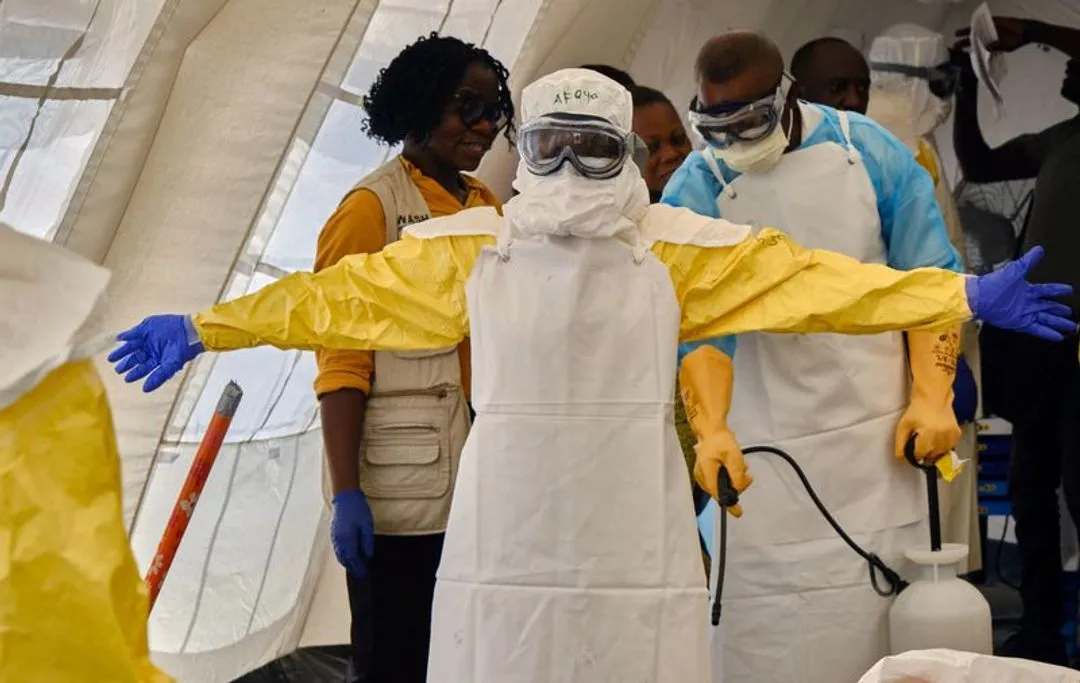
The ongoing Ebola outbreak in the Democratic Republic of Congo has spread to a new province bordering the Central African Republic, two health officials told Reuters News Agency on Thursday, posing a fresh challenge for authorities struggling to contain it. North Ubangi becomes the eighth province to be affected by the outbreak of the Bundibugyo species of Ebola, which was announced in mid-May and has become the second-largest Ebola outbreak on record, with more than 9,000 cases and more than 4,000 deaths confirmed. Two cases have been confirmed in North Ubangi, the officials said. They have not been officially announced by Congolese authorities. Ituri province remains the epicentre of the outbreak, though cases have increased recently in North Kivu province. Cases have also been confirmed in South Kivu, Tshopo, Haut-Uele, Bas-Uele and South Ubangi provinces. A health official in North Ubangi told Reuters on Thursday there had been a series of suspect deaths recently in a mining area in Wapinda health zone, close to the border with Bas-Uele, prompting samples to be analysed at a provincial laboratory and in Kinshasa.

TRT Afrika·
Health

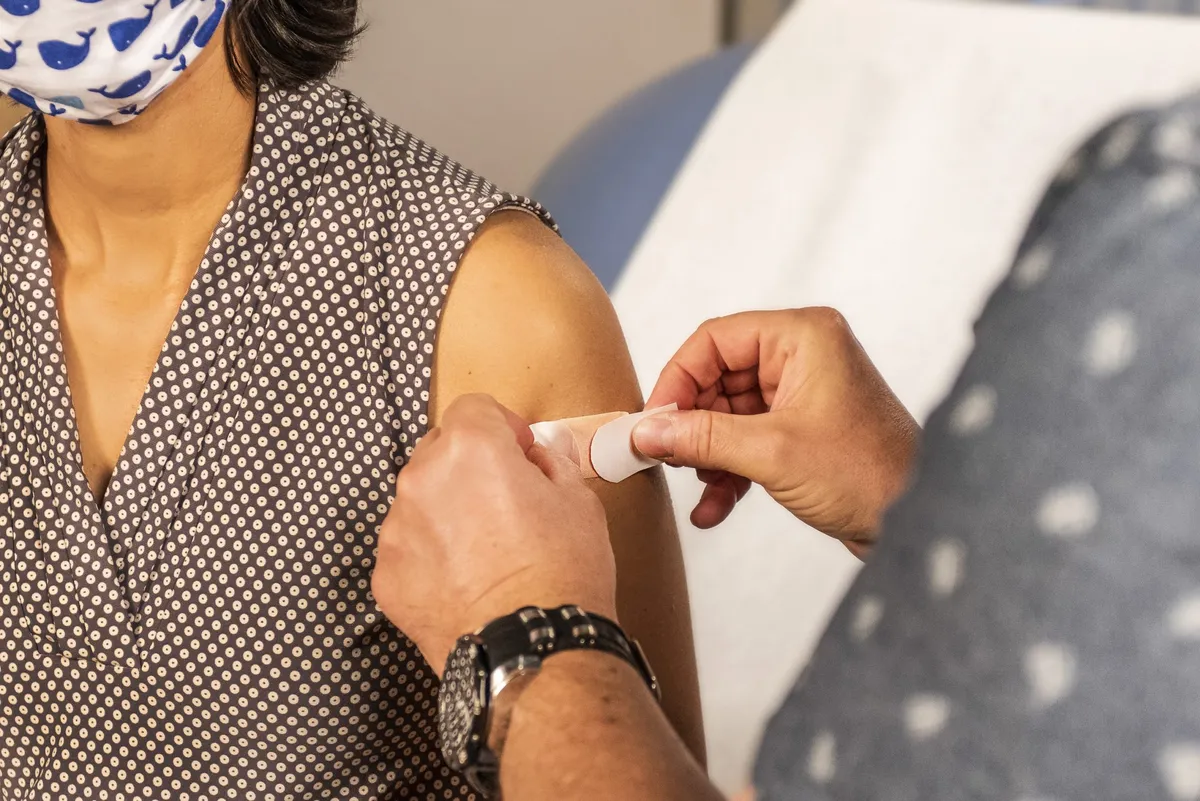
Vaccine clinic invites locals in - The Eastern Door

“There is that misconception, people say that it can give you the flu or the disease. The virus is dead, so it cannot transmit the disease,” said Leroux, who added that while some people may experience temporary side effects, including fatigue, muscle soreness, and pain at the injection site, vaccines do not cause influenza. “It’s better to take the vaccine and maybe have side effects for two days than having like 10 days of coughing, and you’d give the flu to other people as well,” said Leroux.

The Eastern Door·
Health

The molecular heterogeneity and clinical impact of genomic driver alterations in prostate cancer - Nature

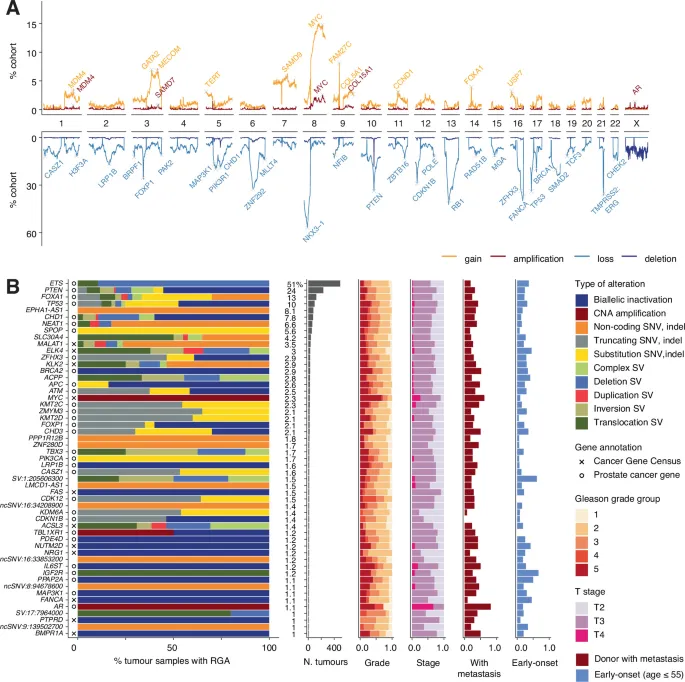
IntroductionProstate cancer is the most common malignancy in men that accounts for 10% of male cancer-related deaths and is expected to increase in incidence in the coming decades1. Its clinical trajectory is highly variable, with disease courses ranging from localised disease with long indolent phases that often require no therapy, to early-onset cancer that typically necessitates definitive treatment with curative intent2 and life-threatening metastatic prostate cancer3. The management of newly diagnosed prostate cancer is primarily based on established clinical and pathological information along with small gene or mRNA panels. The most pressing unmet clinical needs include reliable prognostic approaches to minimize overtreatment and the identification of therapeutic targets4. This is especially challenging due to the considerable molecular heterogeneity of the disease. Its genomic landscape is dominated by structural variation (SV) and copy-number alteration (CNA) drivers, while in contrast, drivers involving small mutations including single-nucleotide variants (SNVs) and insertions-deletions (indels) are relatively infrequent5,6.

Nature·
Health

Fentanyl in Italy and the European Opioid Market - Royal United Services Institute (RUSI)

CommentaryGuest CommentaryFederico Varese16 October 2026clock8 Minute ReadOpioid threat: Italian Armed Forces and Carabinieri involved in the fight against organised crime and drug trafficking in San Pasquale. Image: NurPhoto SRL / Alamy StockItaly’s low fentanyl death toll reflects Europe’s distinct opioid market history, not mafia restraint – but synthetic opioids such as nitazenes are a growing threat. Italy has recorded very few deaths involving fentanyl. A September 2026 article in The Economist invokes The Godfather films to suggest that ‘the country’s mafias seem to have collaborated to keep fentanyl out of their territory,’ protecting their established markets from a substance that kills customers and attracts police attention. Such a hypothesis had already been put forward by Roberto Saviano in La Repubblica. While it is an intriguing theory, there is no evidence for it. To understand the absence of an American-style fentanyl crisis in Italy as well as in other parts of Europe, we need to look at the history of opioid markets, rather than assume that godfathers hailing from unnamed ‘mafias’ are out there to protect their fellow countrypeople.

Royal United Services Institute (RUSI)·
Health

Fentanyl in Italy and the European Opioid Market - Royal United Services Institute (RUSI)

CommentaryGuest CommentaryFederico Varese16 October 2026clock8 Minute ReadOpioid threat: Italian Armed Forces and Carabinieri involved in the fight against organised crime and drug trafficking in San Pasquale. Image: NurPhoto SRL / Alamy StockItaly’s low fentanyl death toll reflects Europe’s distinct opioid market history, not mafia restraint – but synthetic opioids such as nitazenes are a growing threat. Italy has recorded very few deaths involving fentanyl. A September 2026 article in The Economist invokes The Godfather films to suggest that ‘the country’s mafias seem to have collaborated to keep fentanyl out of their territory,’ protecting their established markets from a substance that kills customers and attracts police attention. Such a hypothesis had already been put forward by Roberto Saviano in La Repubblica. While it is an intriguing theory, there is no evidence for it. To understand the absence of an American-style fentanyl crisis in Italy as well as in other parts of Europe, we need to look at the history of opioid markets, rather than assume that godfathers hailing from unnamed ‘mafias’ are out there to protect their fellow countrypeople.

Royal United Services Institute (RUSI)·