Your Good Health: Autoimmune hemolytic anemia and its treatments - Times Colonist
This story deserves to be shared
Send it to someone who'd care, or post it on your networks.
This article is an excerpt. To read the full content, visit the original source. Times Colonist
Related articles
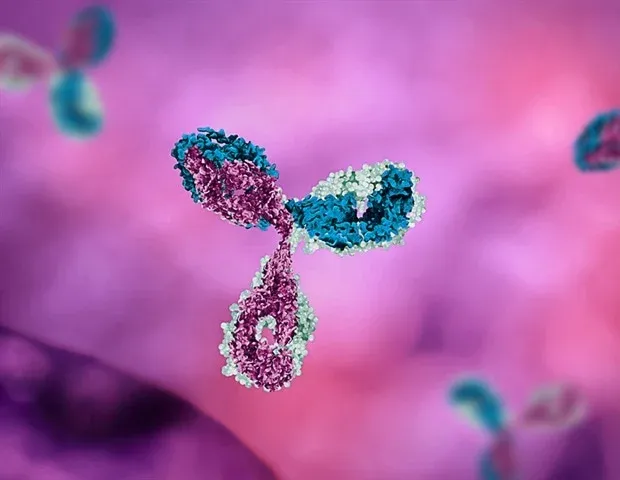
Scientists identify novel autoimmune driver behind DNA repair breakdown in childhood cancer - News-Medical
Researchers have found the first evidence for a previously unsuspected cause of pediatric cancer. They showed that children with such cancers were more likely than their healthy peers to produce ‘auto-antibodies’ targeting six proteins necessary for normal DNA repair. Likewise, they showed that young adults with cancer had greater amounts of these circulating antibodies already years before diagnosis. Tests confirmed that such antibodies can enter the cell during division, where they seem to locate to the TIGER domain implicated in translation and bind their antigens there. The latter result immediately suggests a likely mechanism for the etiology of cancer through the immobilization of DNA repair proteins. A team of scientists in Norway has found evidence for a new, previously unknown mechanism for the development of cancer in children: they seem to produce an unusual amount of aberrant antibodies against the building blocks that make up the DNA repair machinery, a diverse set of hundreds of proteins which identify and correct damage or errors in the genome.

Women ‘more likely to be told autoimmune conditions are psychological’ | Women's health - The Guardian
Women with autoimmune conditions are up to 74% more likely than men to be told their symptoms are psychological or psychosomatic, and face much longer waits for a diagnosis and treatment, a study suggests. Hundreds of millions of people – about one in 10 globally – are affected by autoimmune conditions, which can cause a range of health issues including fatigue, muscle pain and rashes. But research by the University of Cambridge and University of East Anglia suggests a stark gender divide when it comes to how signs of the conditions are handled by doctors. Women are more likely to have their conditions wrongly attributed to psychiatric causes, more likely to have symptoms misdiagnosed as psychosomatic, and more likely to experience delays in getting a diagnosis, according to the study. The lead author, Melanie Sloan, said: “The damage caused to women by these types of misdiagnosis can be very long lasting in terms of trusting doctors and their own self-esteem.”Sloan, a researcher in the department of public health and primary care at Cambridge and UEA, said some women were forced to wait years before finally getting a diagnosis, causing long delays to treatment for their condition.

Bioengineer.org | Viral blips during HIV therapy are common and rarely signal treatment failure, Swedish study finds - European AIDS Treatment Group
Bioengineer.org news storyFor people living with HIV, modern antiretroviral therapy can suppress the virus to levels below what standard laboratory tests can detect. Yet some patients on long-term treatment experience a curious phenomenon: a single test result showing a small, transient amount of virus in the blood, followed by an immediate return to undetectable levels. These events, known as viral blips, have puzzled clinicians and researchers for years, raising questions about whether they represent harmless statistical noise, brief bursts of viral production from hidden reservoirs, or early warnings of impending treatment failure. A new nationwide Swedish study, published in BMC Infectious Diseases, offers one of the most comprehensive answers to date. Drawing on the Swedish national InfCareHIV cohort, researchers analyzed data from 4,210 treatment-naïve adults who began antiretroviral therapy from 1 January 2007 onward, with follow-up data extracted through 30 September 2020. The median observation time was 5.5 years, with some individuals followed for as long as 13.7 years.
0 comments
No comments yet. Be the first to share your thoughts!