Why measuring neutrino mass needs more than one kind of experiment - Innovation News Network
This story deserves to be shared
Send it to someone who'd care, or post it on your networks.

From radioactive tritium to maps of distant galaxies, neutrino experiments are narrowing the possibilities. Their results become most powerful when the differences between their measurements are understood.
How do you weigh a particle that almost always passes through your apparatus without interacting? For neutrinos, physicists have developed several answers. They measure radioactive decay, track changes in particle identity, search for extraordinarily rare nuclear transitions and reconstruct the growth of cosmic structure. Each approach reveals something different about mass, and each brings its own assumptions.
This article is an excerpt. To read the full content, visit the original source. Innovation News Network
Related articles
Solving the gallium anomaly: New calculation may explain neutrino shortfall without invoking new particles - Phys.org
Glimpses of the "gallium anomaly" were first seen in the mid-1990s, but it was first clearly discovered and stated in 2007 by neutrino physicist Carlo Giunti of Italy. The problem is simple to state but potentially very important: about 20% fewer electron neutrinos were seen to be captured by gallium nuclei than expected.
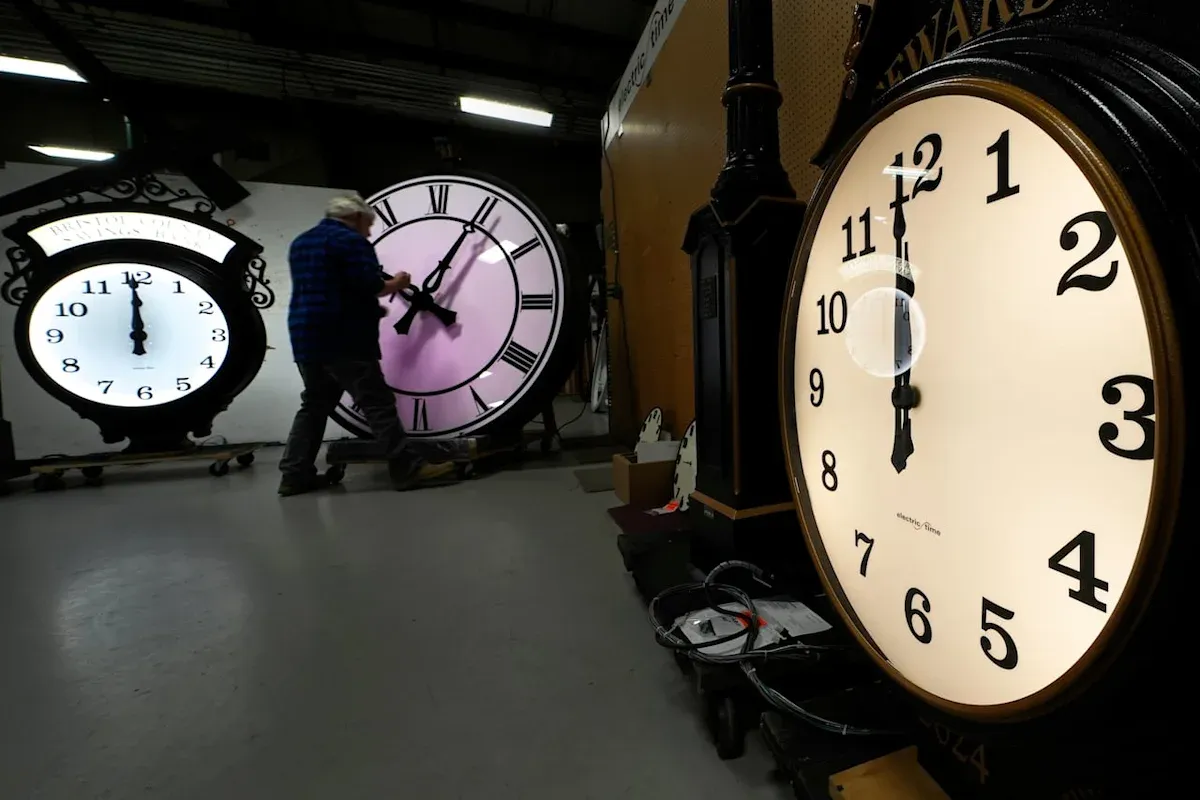
Clockmaker Scott Gow adjusts the hands of a clock at the Electric Time Company in Medfield, Mass., in 2024. An international body voted to do away with leap seconds and let the clocks slip until they're out of alignment by a full hour. - Yahoo News Canada
Skip to mainThu, October 15, 2026 at 8:00 a.m. UTCFor more than 50 years, humanity has used "leap seconds" to keep our clocks aligned with the rotation of the Earth. On Thursday, an international time-keeping body in France voted to do away with leap seconds and let the clocks slip until they're out of alignment by a full hour — meaning it could be centuries, or even millennia, before another tweak is needed.
Economics of Mass: Zeus Research and Technology - Inside Unmanned Systems
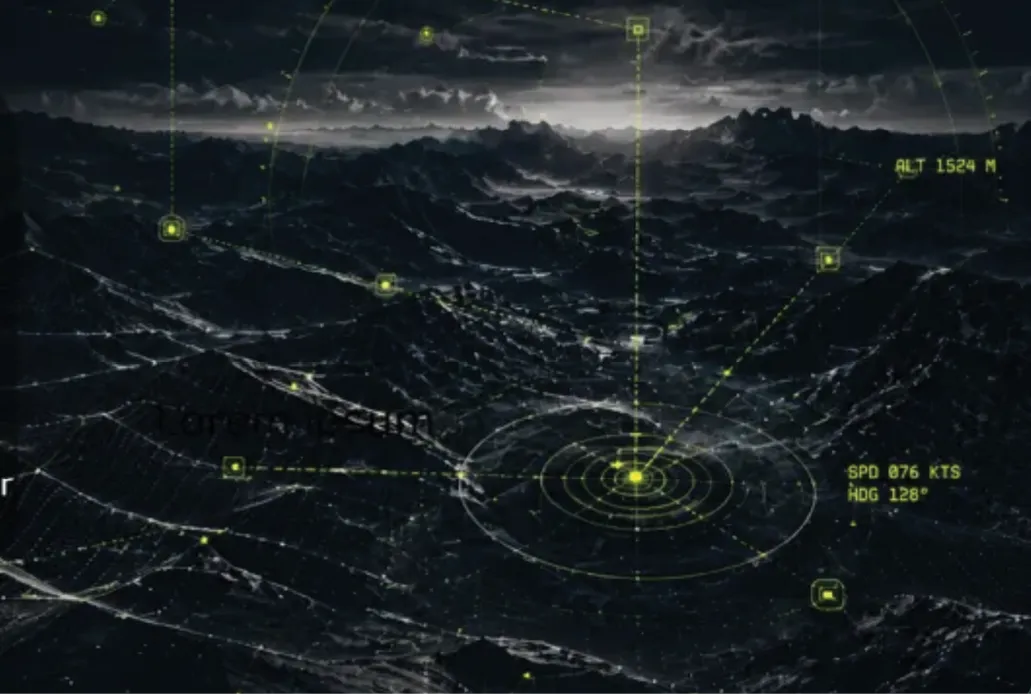
As autonomous systems move from demonstration toward procurement at scale, assured PNT is becoming an integration and fielding problem. Zeus Research and Technology is addressing the practical integration challenge: getting trusted navigation onto the platforms that must operate through the fight. The defense autonomy market has spent years proving that unmanned systems can fly farther, sense more, collaborate and take on increasingly complex missions. The next phase is harder. Now they have to be fielded.
0 comments
No comments yet. Be the first to share your thoughts!