WHO says no plague case registered after Russian lab worker’s death - Al Jazeera
This story deserves to be shared
Send it to someone who'd care, or post it on your networks.
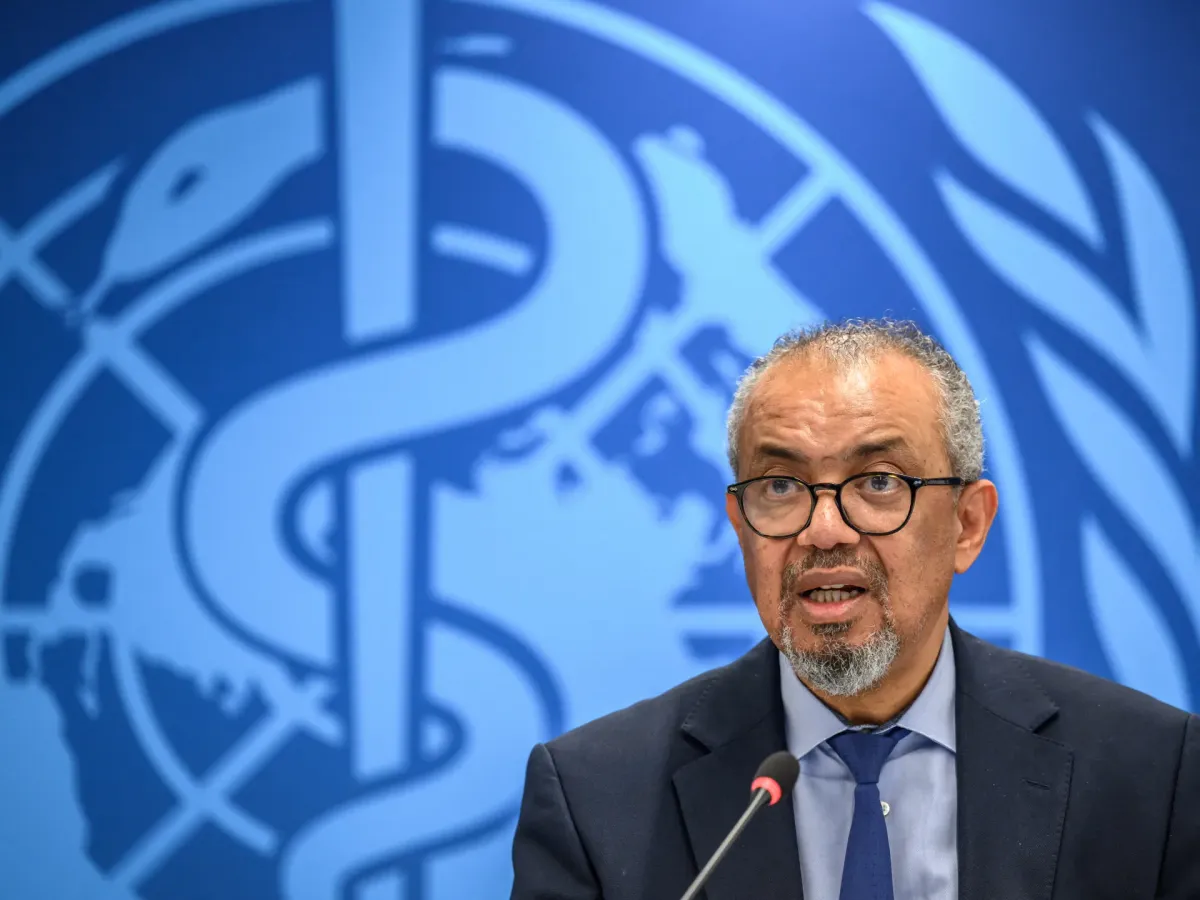
The WHO says the lack of a confirmed diagnosis remains a key uncertainty, with no sign of ongoing transmission. The World Health Organization (WHO) has said it still does not know what caused the pneumonia that killed a laboratory worker at a Russian plague research institute and that no case of plague has been registered. Russia’s state health regulator told the WHO that tests on the worker and people who had been in contact with her were negative for the dangerous pathogens they tested for, the United Nations health agency said in a statement on Saturday. Recommended Stories list of 3 itemslist 1 of 3Russia denies imposing anti-plague measures after lab worker deathlist 2 of 3US CDC says it’s ‘aware of and closely monitoring’ Russian plague caselist 3 of 3Russian lab worker dies of suspected plague in Siberia; US monitoring caseend of listHer contacts still showed no symptoms, and no further linked cases of severe pneumonia had been found, the WHO added. “Based on the information provided… WHO has not identified evidence of ongoing transmission associated with this event. A key uncertainty remains the absence of a confirmed diagnosis in the deceased laboratory worker,” it said.
This article is an excerpt. To read the full content, visit the original source. Al Jazeera
Related articles
Palantir registered to lobby B.C. health authorities - Investigative Journalism Foundation

A New Injection Makes Fat Cells Self-Destruct, And Might Prevent GLP-1 Weight Regain - ScienceAlert
The new treatment kills off a sub-group of fat cells. (Jian Fan/iStockphoto/Getty Images) Early clinical trials into a new fat reduction treatment have reported promising results, and the treatment takes a more unusual approach: Rather than shrinking fat cells, as most weight loss strategies do, it safely and naturally kills them off. The drug here is CBL-514, which is administered via injection. As well as proving effective at reducing subcutaneous fat (just below the skin), there's evidence it can also reduce visceral fat (stored deeper around the organs). According to the team behind the trials, CBL-514 and its unconventional strategy have the potential to reduce fat in key areas of the body – with further benefits that come with weight loss likely to follow. "We expect that patients will be pleased by the cosmetic effects, such as the flatter stomach that can come with subcutaneous fat loss," says endocrinologist Timothy Garvey, from the University of Alabama at Birmingham, who headed up the trial.
0 comments
No comments yet. Be the first to share your thoughts!