WHO calls for urgent health action across the Eastern Mediterranean - Welcome to the United Nations
This story deserves to be shared
Send it to someone who'd care, or post it on your networks.
HomeOverview The Sustainable Development GoalsMonitoring and Progress – HLPFFinancing for DevelopmentSustainable Development Goals Report 2026Decade of ActionThe 17 Goals 1-6Goal 1: No PovertyGoal 2: Zero HungerGoal 3: Good Health and Well-beingGoal 4: Quality EducationGoal 5: Gender equalityGoal 6: Clean Water and Sanitation7-12Goal 7: Affordable and Clean EnergyGoal 8: Decent Work and Economic GrowthGoal 9: Industry, Innovation and InfrastructureGoal 10: Reduced InequalitiesGoal 11: Sustainable Cities and CommunitiesGoal 12: Responsible Consumption and Production13-17Goal 13: Climate ActionGoal 14: Life Below WaterGoal 15: Life on LandGoal 16: Peace, Justice and Strong InstitutionsGoal 17: Partnerships for the GoalsGet Involved ActNow for the SDGsClimate Action SuperheroesActNow appThe Lazy Person’s Guide to Saving the WorldThe Lazy Person’s Guide to Saving WaterSDG Book ClubSDG Book Club | ArchiveYouthPartnerships About PartnershipsSDG Media CompactSDG Media ZoneSDG Publishers CompactSDG AdvocatesFootball For The GoalsSDG Circle of SupportersNews and Events Goal of the MonthGoal of the Month | ArchivePress materialsSDG Editorial CalendarNewsFeatured NewsVideosResources
This article is an excerpt. To read the full content, visit the original source. Welcome to the United Nations
Related articles
WHO calls for urgent health action across the Eastern Mediterranean - UN News
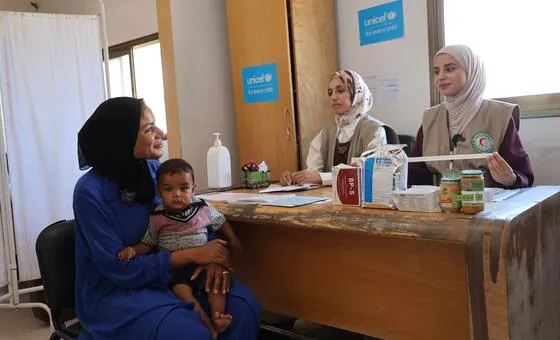
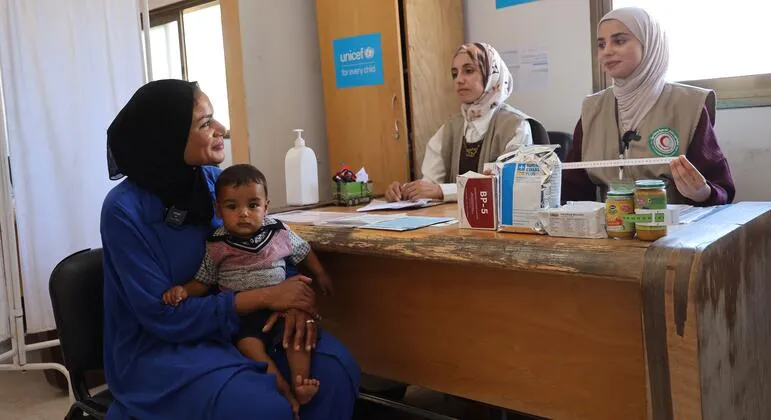
HealthThe head of the World Health Organization (WHO) has called for promoting, providing and protecting health in the Eastern Mediterranean region, home to some of the world’s top humanitarian crises such as Sudan, Yemen and the Occupied Palestinian Territory. Tedros Adhanom Ghebreyesus was speaking on Wednesday to health leaders and senior officials attending the WHO regional committee meeting underway in Cairo, Egypt. “Over the past year, Member States have continued to advance the health and wellbeing of their people, often under the most difficult circumstances,” he said in remarks on the annual report for the region, which spans 22 countries and territories.
Patient-centered financial navigation assistance helps reduce financial toxicity among cancer patients - Medical Xpress
Among cancer patients, the high financial cost of cancer care is a prevalent problem. This financial burden is also associated with potentially harmful behavioral strategies that patients might use to cope with costs, such as delaying or forgoing treatment and skipping medications. Collectively, researchers refer to this impact as financial toxicity.

Continuous glucose monitors help type 2 diabetes patients spend 5 more hours a day in healthy blood sugar range - Medical Xpress
Continuous glucose monitors (CGMs) could transform diabetes management for millions of Americans with type 2 diabetes who don't take insulin, according to findings published in the New England Journal of Medicine. The clinical trial found that adults using CGMs spent approximately five additional hours each day within their target blood sugar range compared with those receiving routine care. Nearly twice as many CGM users also achieved an A1c level below 7%, a common treatment goal for people with diabetes.
Wearing headphones during surgery may reduce nausea and vomiting afterward - Medical Xpress
Patients who wore noise-canceling headphones during minimally invasive gynecological surgery were significantly less likely to experience postoperative nausea and vomiting (PONV), suggest findings from a randomized clinical trial presented at the Anesthesiology 2026 annual meeting.

Kefah Mokbel: Can Whole-Genome Sequencing-Based ctDNA Monitoring Help Personalize Adjuvant Treatment? - Oncodaily
“Beyond Detecting Cancer Recurrence: Can Whole-Genome Sequencing-Based ctDNA Monitoring Help Personalize Adjuvant Treatment? An exciting new study published in The Oncologist highlights the clinical potential of Signatera Genome, a whole-genome sequencing (WGS)-based, tumor-informed circulating tumor DNA (ctDNA) assay, not only for detecting molecular residual disease (MRD), but also for potentially informing adjuvant treatment decisions.
0 comments
No comments yet. Be the first to share your thoughts!