Warning to women amid shortages of some HRT products - BBC
This story deserves to be shared
Send it to someone who'd care, or post it on your networks.
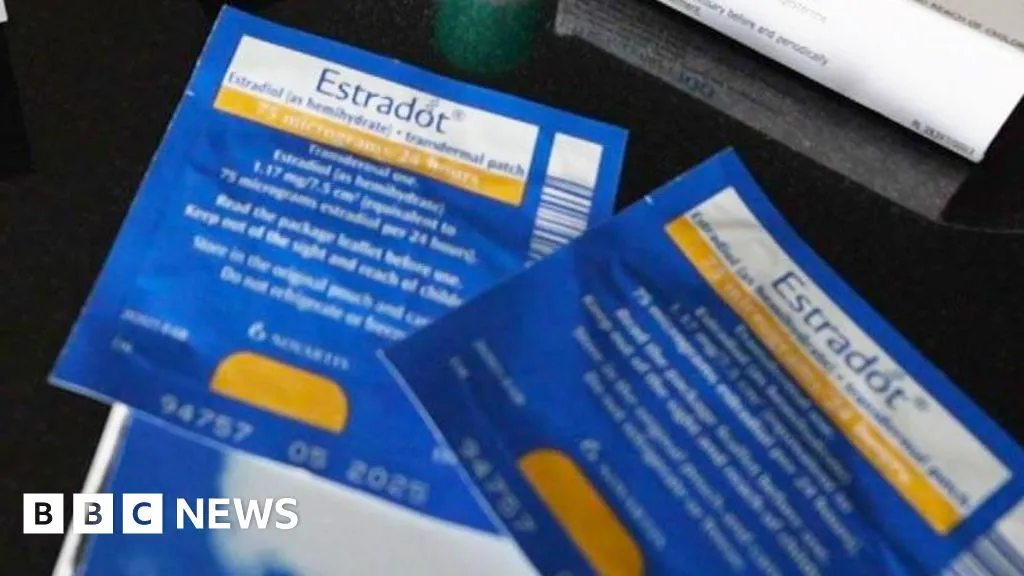
2 days agoMarie-Louise Connolly, Health correspondentandLiz Trainor, BBC News NIBBCWomen have been urged to seek advice from their GP or pharmacy if they find their usual HRT has been affected by supply shortagesWomen have been warned against self-medicating to manage menopause symptoms amid a shortage of some Hormone Replacement Therapy (HRT) medications. Pharmacist Paul Irvine said he understood that women were "concerned" but urged them to speak to their GP or local chemist who could advise them about alternatives. The warning follows official confirmation from the Department of Health (DoH) that supplies of two major HRT patch brands have been disrupted. The affected products include Estradot transdermal and FemSeven Conti, both of which are currently facing manufacturing or distribution delays. Paul Irvine said it was important that women contact their GP or pharmacist for adviceIrvine, a pharmacy manager in Belfast, said much of the time with HRT medications, women often become comfortable with a particular brand. "When they are short and they like to try alternatives, they may suffer side effects or it might just not work as well," he said.
This article is an excerpt. To read the full content, visit the original source. BBC
Related articles

Bioengineer.org | Viral blips during HIV therapy are common and rarely signal treatment failure, Swedish study finds - European AIDS Treatment Group
Bioengineer.org news storyFor people living with HIV, modern antiretroviral therapy can suppress the virus to levels below what standard laboratory tests can detect. Yet some patients on long-term treatment experience a curious phenomenon: a single test result showing a small, transient amount of virus in the blood, followed by an immediate return to undetectable levels. These events, known as viral blips, have puzzled clinicians and researchers for years, raising questions about whether they represent harmless statistical noise, brief bursts of viral production from hidden reservoirs, or early warnings of impending treatment failure. A new nationwide Swedish study, published in BMC Infectious Diseases, offers one of the most comprehensive answers to date. Drawing on the Swedish national InfCareHIV cohort, researchers analyzed data from 4,210 treatment-naïve adults who began antiretroviral therapy from 1 January 2007 onward, with follow-up data extracted through 30 September 2020. The median observation time was 5.5 years, with some individuals followed for as long as 13.7 years.
0 comments
No comments yet. Be the first to share your thoughts!