Want a free heat pump? Government offering no-cost retrofits to low income households in N.L. - CBC
This story deserves to be shared
Send it to someone who'd care, or post it on your networks.
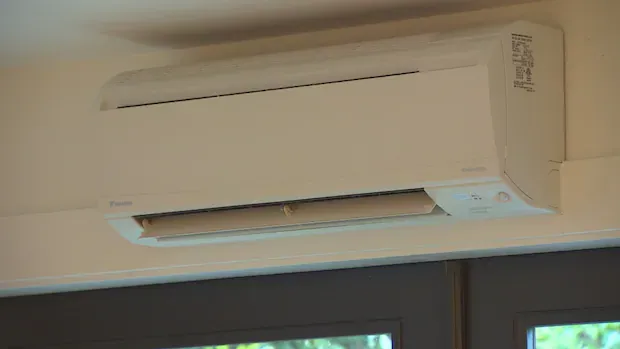
Nfld. & LabradorHomeowners with lower-than-average income levels can apply to receive energy-saving upgrades to their homes as part of a new program in partnership with the federal government. Federal minister of environment says an estimated 1,400 households in N. L. could benefitJohn Harris · CBC News · Posted: Oct 16, 2026 3:41 PM EDT | Last Updated: October 16Listen to this articleEstimated 3 minutesThe audio version of this article is generated by AI-based technology. Mispronunciations can occur. We are working with our partners to continually review and improve the results. New funding has been earmarked for low income households to get free energy efficiency upgrades. (CBC)Homeowners with lower-than-average income levels can apply to receive free energy-saving upgrades to their homes as part of a new program in partnership with the federal government. Qualified applicants will receive an energy audit, which will recommend eligible projects. These include "heat pumps, heat recovery ventilators, insulation and air sealing upgrades," according to TakeCharge, the administrator of the program.
This article is an excerpt. To read the full content, visit the original source. CBC
Related articles
One in eight households in Canada reports experiencing some form of homelessness in their lifetime - Statistique Canada
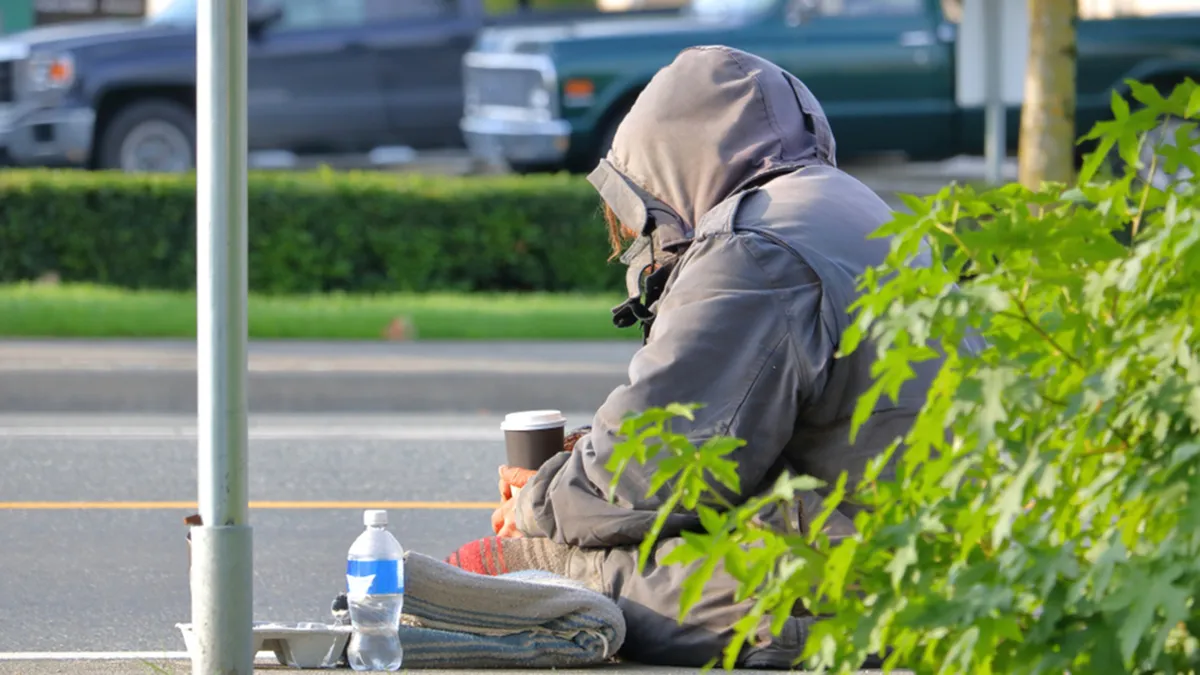
Too many Canadians continue to be homeless, often because of several contributing factors. A Statistics Canada study released last year estimated that, in 2022, about one in eight households (12.1%) reported experiencing some form of previous homelessness in their lifetime. That rate was more than double the proportion among Indigenous households (27.4%). Forms of homelessness include hidden (those without a permanent address and/or staying temporarily with others), which was the most common form, and visible (unsheltered in public spaces not meant for habitation or emergency sheltered). Using Canadian Housing Survey (CHS) data, the study examined factors contributing to regaining and maintaining housing. The study found that, in 2022, almost half of people cited more than one factor that helped them regain and maintain housing, following their most recent sheltered or unsheltered (including streets, alleys, parks and other public places) homelessness experience. Nearly one-quarter cited three or more factors, highlighting the complexity of homelessness. Financial factors were cited most often, especially income from employment.
0 comments
No comments yet. Be the first to share your thoughts!