Wafik El-Deiry: Unraveling Cancer Plasticity and Histological Transformation in Precision Oncology - Oncodaily
This story deserves to be shared
Send it to someone who'd care, or post it on your networks.
Wafik El-Deiry, Mencoff Family University Professor of Medical Science and Professor of Pathology and Laboratory Medicine at Brown University, shared on LinkedIn:
“Pleased to share review publication by Nick Kuburich, and colleagues including Petra den Hollander, Yakirevich Evgeny, Razelle Kurzrock, Sendurai Mani, and Vivek Subbiah.
This article is an excerpt. To read the full content, visit the original source. Oncodaily
Related articles
Unraveling the multifaceted relationship between creativity and mental health with longitudinal analyses of genotyped twins - Nature
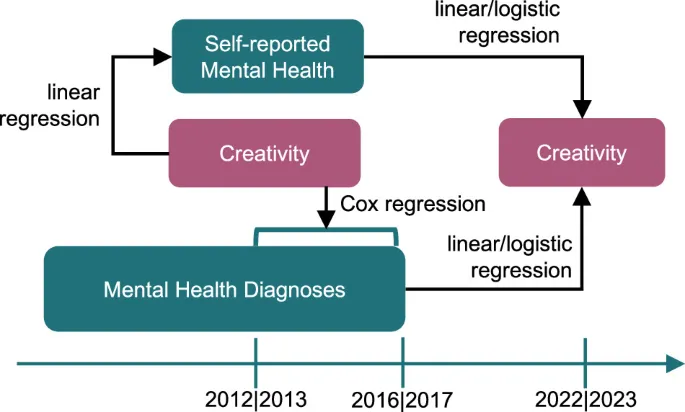
IntroductionCreativity, broadly defined as the ability to form novel and valuable ideas or to find new solutions to problems [1], has long been suggested to be associated with psychiatric disorders [2]. This idea is fueled by many anecdotal examples of famous creators with eccentric personalities and psychiatric problems, from Vincent van Gogh and Ernest Hemingway to Virginia Woolf and Camille Claudel [3]. More recently, research including some systematic reviews and meta-analyses, has suggested that creativity and engagement in creative activities are associated with an increased risk of mental health problems [4, 5]. For example, creative professions were associated with a higher risk of bipolar disorder [6], music playing with more psychosis-like experiences [7, 8], and artistic achievement with multiple mental disorders [9]. However, the literature shows inconsistencies. For example, Cuypers et al. [10] found music-related creative activities to be associated with better perceived mental health. Similarly, art-related cultural activities were associated with less depression in older adults [11] and more social well-being in young adults [12].

A Clinical Framework for Antithrombotic Review in Anticoagulated Patients With Stable Coronary Artery Disease: When Should Aspirin Be Stopped? - Cureus
Patients receiving oral anticoagulation (OAC) for atrial fibrillation frequently have concomitant coronary artery disease (CAD), raising questions about the duration of additional antiplatelet therapy. Triple antithrombotic therapy combines OAC with aspirin and a P2Y₁₂ inhibitor, usually clopidogrel, whereas dual antithrombotic therapy combines OAC with a single antiplatelet agent. Early aspirin withdrawal from triple therapy and subsequent withdrawal of the remaining antiplatelet are separate decisions requiring assessment of the coronary timeline and current treatment indications. This narrative editorial examines randomized evidence and proposes a structured medication review framework. The evidence generally supports OAC monotherapy in appropriately selected patients with stable CAD, with reduced bleeding and favourable net clinical outcomes compared with combined treatment. However, aspirin-specific findings require distinction from comparisons involving clopidogrel or mixed antiplatelet regimens. Overall trial results do not establish identical benefits or harms across patients with previous myocardial infarction, multivessel disease, or complex coronary intervention. Differe

Liquid biopsy and mammography: a perfect match for breast cancer detection? - healthcare-in-europe.com
News • Trial investigates combined benefits A new clinical trial will investigate whether a simple blood test could help detect breast cancer as early as Stage I
Hospital recognised for tiny pacemaker work - Yahoo
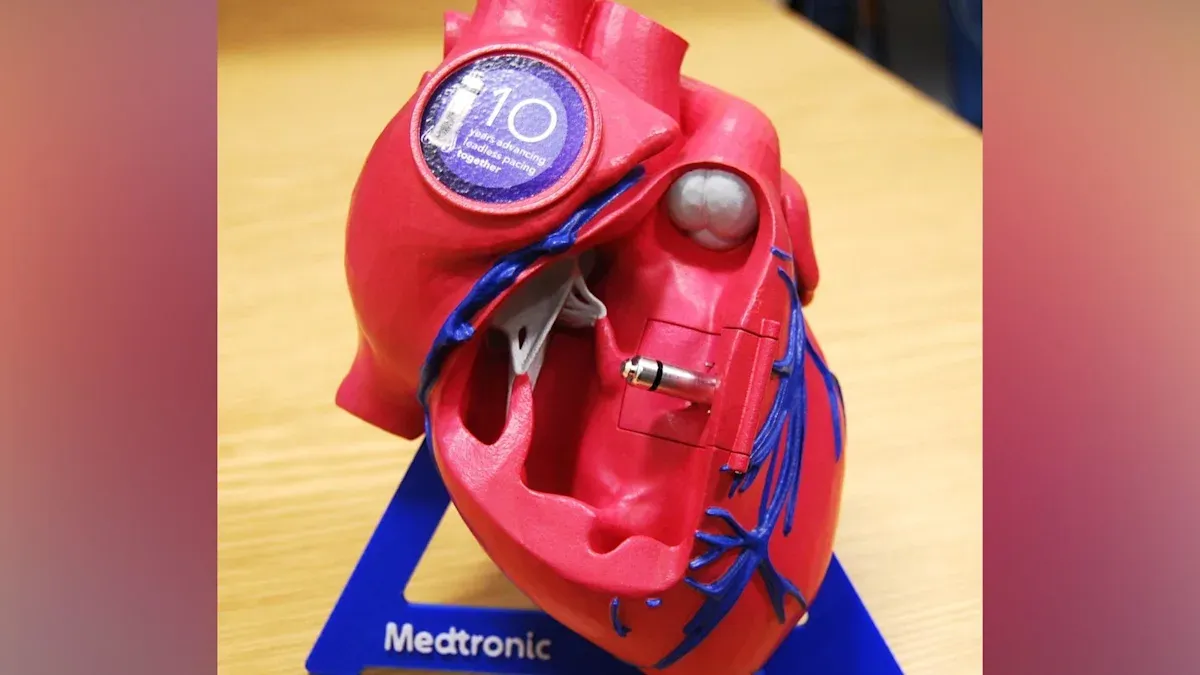
A hospital that has implanted tiny pacemakers for 10 years has been recognised as a "centre of excellence". Northampton General Hospital said the honour, bestowed by the manufacturer, was for the way "it has pioneered" the fitting of the leadless pacemaker and for training other teams around the UK. The device is 93% smaller than traditional pacemakers, weighs about two grams and can be inserted in about 20 minutes. It is so small that it cannot be felt under the surface of the skin, the trust explained. The device, made by global US healthcare company Medtronic, has been used in Northampton since 2016 and in 2024 it became the first hospital trust in the UK to use the latest form. The trust has fitted it in about 300 patients so far. Staff Northampton General Hospital were treated with a cake to mark the achievement [NGH]Dr David Sharman, a consultant cardiologist who implanted the hospital's first device, said his team had been training specialist nurses, cardiac physiologists and radiographers from across England. "This kind of pacemaker is the future for pacemakers," he said. Do you have a story suggestion for Northamptonshire? Contact us below.
0 comments
No comments yet. Be the first to share your thoughts!