Volume Beats Technology: Aistis Šimaitis Says Europe's Defense Buildout Will Be Won on the Factory Floor - BigGo Finance
This story deserves to be shared
Send it to someone who'd care, or post it on your networks.
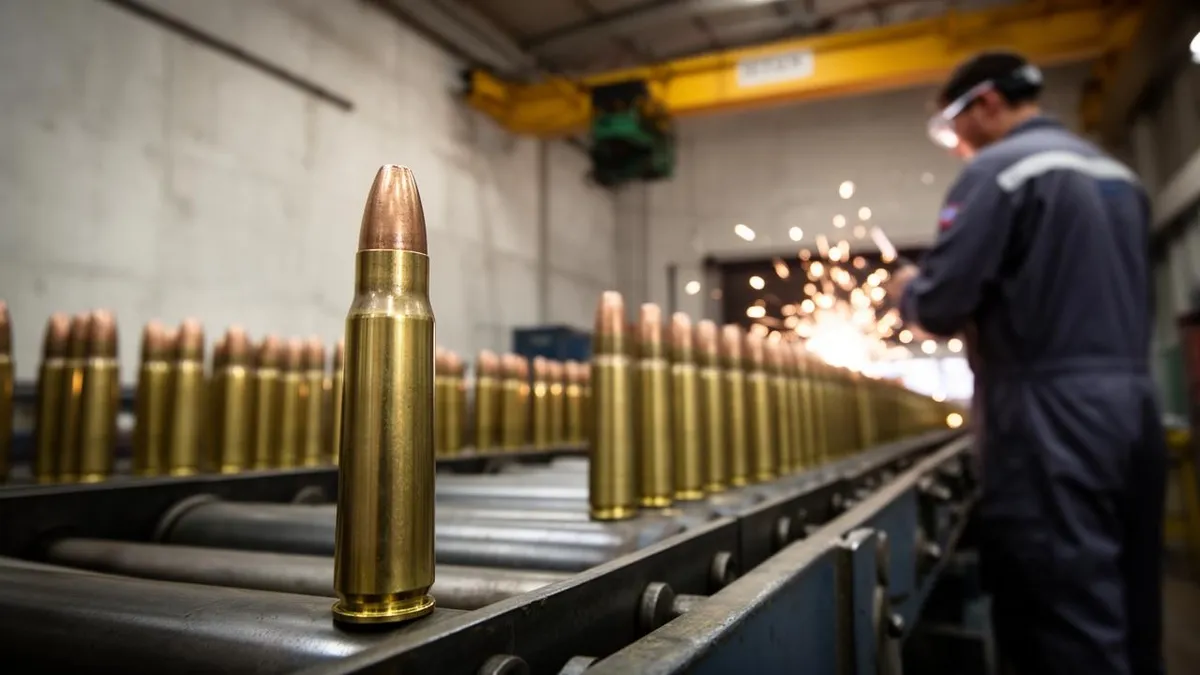
The race to rearm Europe is not a contest over who has the smartest algorithm — it is a contest over who can physically produce enough equipment. This is the central argument from Aistis Šimaitis, co-founder of Onodrim Industries and former Palantir executive, speaking on the Sourcery podcast. He argues that in modern conflict, it is better to have a million of one thing than one of anything, a philosophy that reframes Europe's defense spending boom as a manufacturing challenge rather than a purely technological one. His view is echoed by George Hadjiminas of the Portuguese electro-optics firm Fion, who notes that prototypes do not fight wars.
The stakes are enormous. After decades of underfunding, European governments are pouring money into defense, and the market is expected to attract trillions in capital through 2030. Yet the landscape is deeply fragmented, dominated by national champions that could not survive true competition. The winners, according to the podcast, will be companies that either consolidate the broken manufacturing base or become the de facto technology favorites — such as Helsing and ICE — that can credibly scale.
This article is an excerpt. To read the full content, visit the original source. BigGo Finance
Related articles
Market Outlook: AI buildout drives global trade boom despite tariffs - BNN Bloomberg
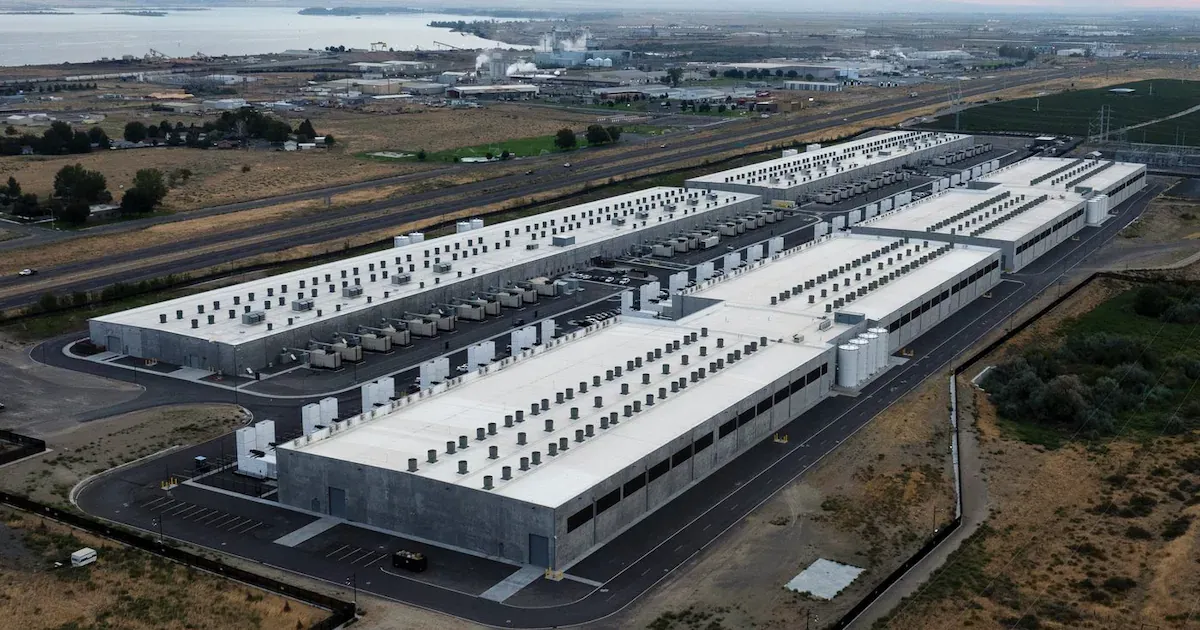
Published: October 14, 2026 at 2:45p.m. EDTMatthew Martin, senior U. S. economist at Oxford Economics, joins BNN Bloomberg to discuss the company's report on the AI trade boom. The global buildout of artificial intelligence infrastructure is reshaping trade flows and the freight networks that support them. Its physical footprint extends beyond chips to the equipment and materials needed to develop data centres. BNN Bloomberg spoke with Matthew Martin, senior U. S. economist at Oxford Economics, about the firm’s report mapping AI-related trade and what cross-border shipments can reveal about the investment cycle. How to set BNN Bloomberg as your preferred source on GoogleKey TakeawaysU. S. AI-related imports are up 60 per cent year over year, compared with about eight per cent for other imports, Martin said. Strong demand is sustaining AI-related trade despite tariffs and higher freight costs, although prolonged trade fragmentation could slow productivity growth. Asia anchors the upstream supply chain, with Taiwan specializing in chip manufacturing and China supplying a broader range of equipment and infrastructure. The U. S.
0 comments
No comments yet. Be the first to share your thoughts!