Valeo Presents Breakthrough Aluminum Cooling Technology for Data Centers at OCP Global Summit 2026 and reaches significant durability milestones - Valeo
This story deserves to be shared
Send it to someone who'd care, or post it on your networks.
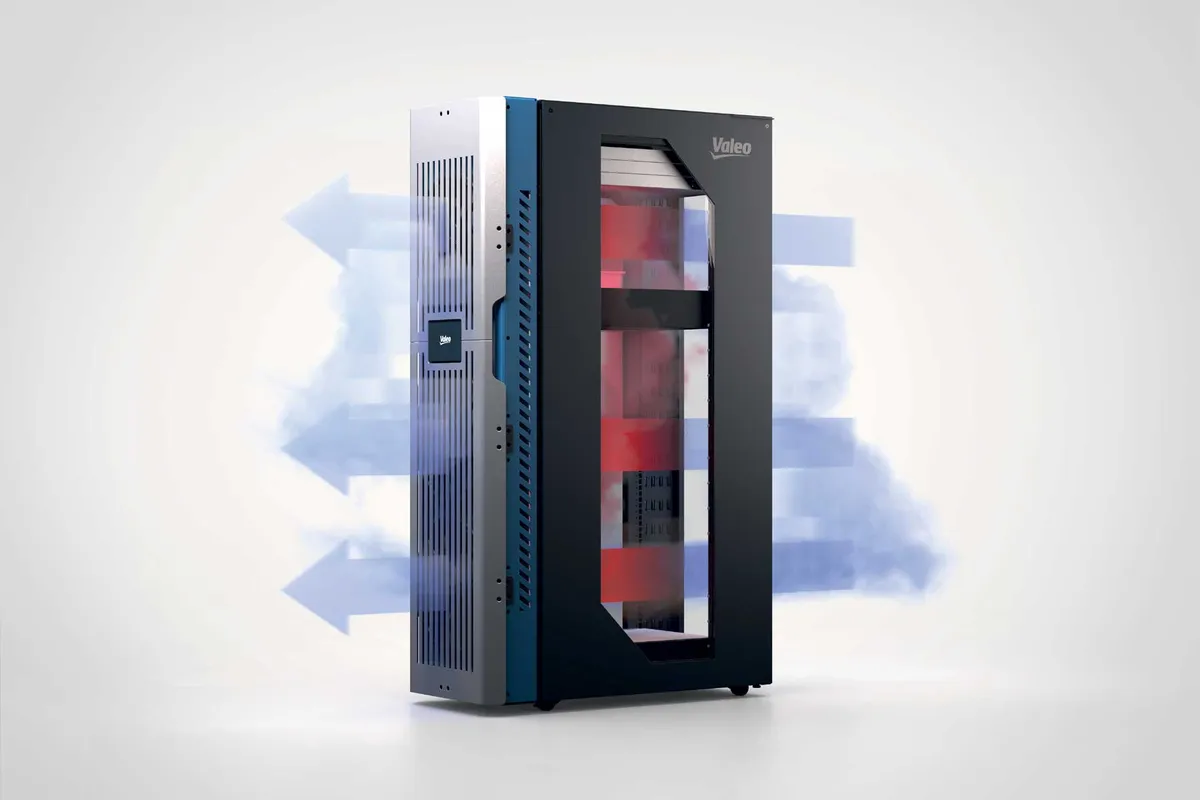
A major improvement for Power Usage Effectiveness (PUE) and Carbon Usage Effectiveness (CUE), Valeo’s aluminum heat exchanger delivers a 38% increase in cooling capacity, a 25% reduction in electrical consumption, and over a decade of proven corrosion resistance.
October 7, 2026 – SAN JOSE, Calif. — At the Open Compute Project (OCP) Global Summit 2026 (October 12–15), Valeo will present, with OVH Cloud, the validation status of its breakthrough aluminum heat exchanger technology for data center thermal management. This technology is applicable for the rear door cooling modules of rack or fan wall in the core space of data centers (white space). It represents a paradigm shift in the industry.
This article is an excerpt. To read the full content, visit the original source. Valeo
Related articles
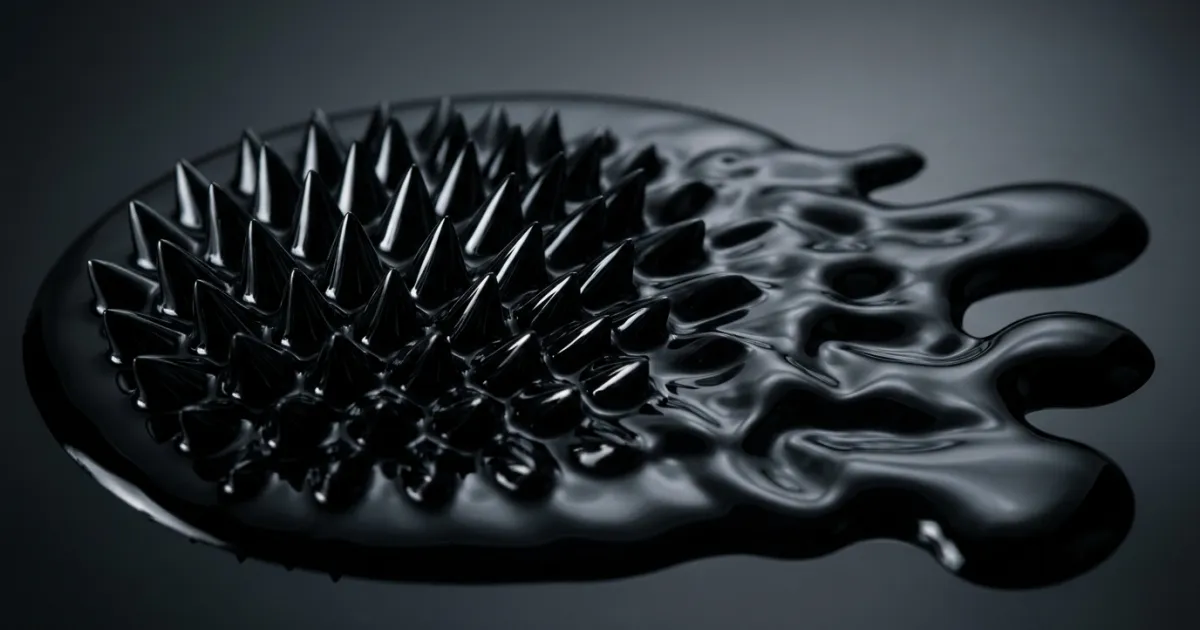
Room-temperature Quantum Sensor Skips The Need For Cryogenic Cooling - Quantum Zeitgeist
Researchers at the University of Alberta predict a new quantum sensor could detect magnetic fields as weak as 24 aT/√Hz in just 10 minutes. This sensitivity, achieved with a 10 W ultraviolet laser, has the potential to surpass that of current cryogenic magnetometers, devices that require extremely low temperatures to operate. The analysis reveals that a relative intensity noise of -100 dBc/Hz is important for optimal performance, guiding efforts to either increase laser power or minimize noise. The approach uses a noble gas, eliminating the need for alkali vapors and enabling hours-long spin relaxation at room temperature.
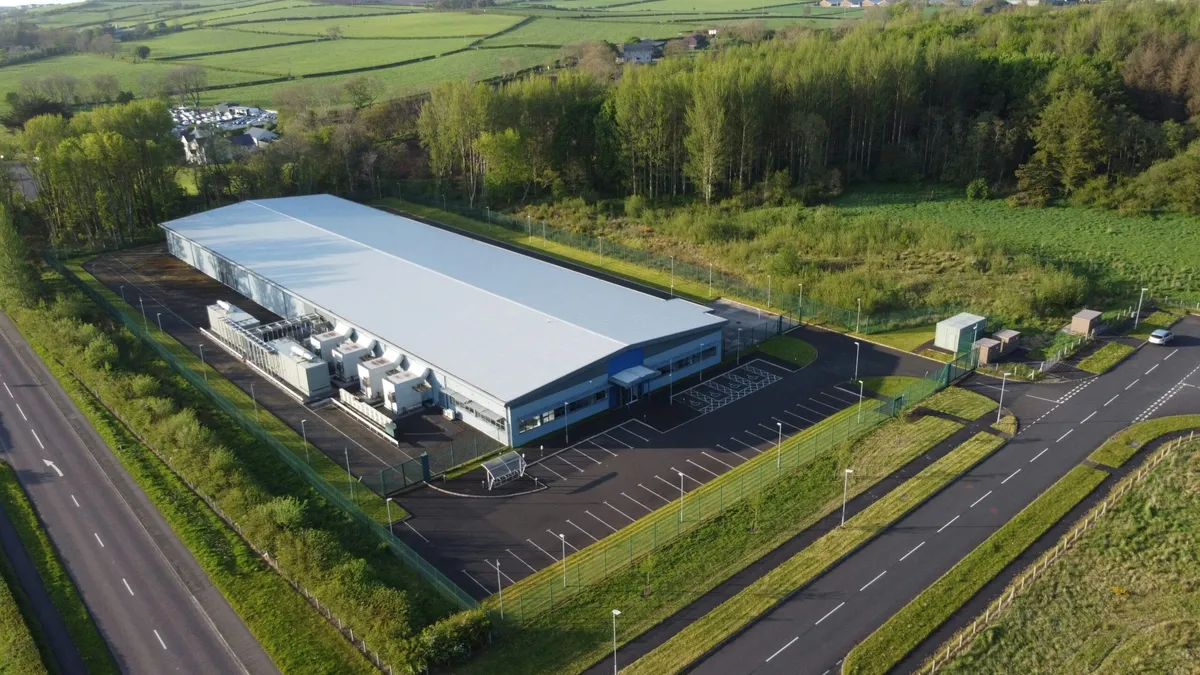
A New Technology to Save Cooling Power Could Give Data Centers a Boost - The University of Chicago
Driven largely by the increased computing needs of artificial intelligence (AI), data centers are running out of power to grow. In the U. S., data centers are on track to consume as much as 12 percent of total U. S. electricity by 2028. Thirty percent of a data center’s total power draw comes from cooling the infrastructure. A new study looks at a way to ease that strain: pairing data center cooling systems with an emerging geothermal technology called Cold Underground Thermal Energy Storage (Cold UTES). Cold UTES stores cold water underground during off peak hours and draws it back up to meet cooling demand when it’s needed most. Unlike a conventional battery, it can hold that stored cooling capacity for weeks or even an entire season. To test the idea, Andrew Chien, the William Eckhardt Distinguished Service Professor of Computer Science at the University of Chicago, and his University of Chicago co-author Wedan Emmanuel Gnigba modeled Cold UTES equipped data centers in three major U. S. markets: Virginia, Arizona, and Texas—regions chosen for their differing climates and grid conditions. Across the three sites, Cold UTES increased available IT power capacity by 9.8 percent.
0 comments
No comments yet. Be the first to share your thoughts!