US ban on $1bn of Canadian goods takes effect in Trump’s latest retaliation - Al Jazeera
This story deserves to be shared
Send it to someone who'd care, or post it on your networks.
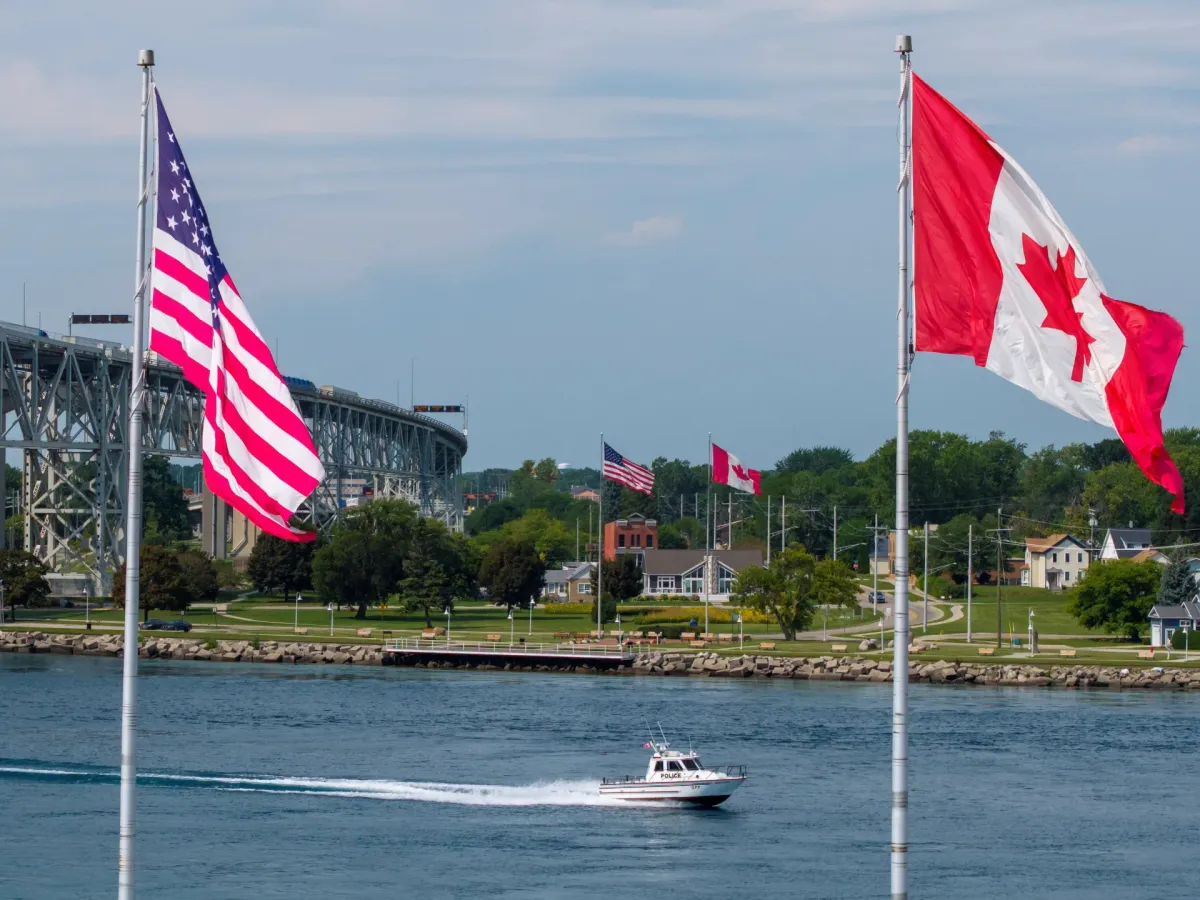
Trump retaliated against Canada’s counter-tariffs on $20bn worth of US imports by banning $1bn of Canadian goods. The United States is implementing a ban on nearly $1bn in imports from Canada, including alcoholic beverages, dairy products and motorcycles. The ban took effect early Tuesday and is likely to further strain already-tense relations between the two neighbours. Recommended Stories list of 4 itemslist 1 of 4Trump says Canada becoming EU ‘associate member’ could be ‘hostile act’list 2 of 4Canadians warm to EU ‘associate membership’ proposallist 3 of 4Canada’s BC sues OpenAI over ChatGPT role in Tumbler Ridge school shootinglist 4 of 4Why is Canada’s PM Carney not ruling out a possible war with the USend of listOttawa and Washington DC have long been allies and trade partners, with approximately $880bn worth of annual two-way trade. That relationship has been upended during US President Donald Trump’s second term as he unleashed tariffs on most trading partners, including Canada, and referred to the northern neighbour as the 51st state of the US.
This article is an excerpt. To read the full content, visit the original source. Al Jazeera
Related articles
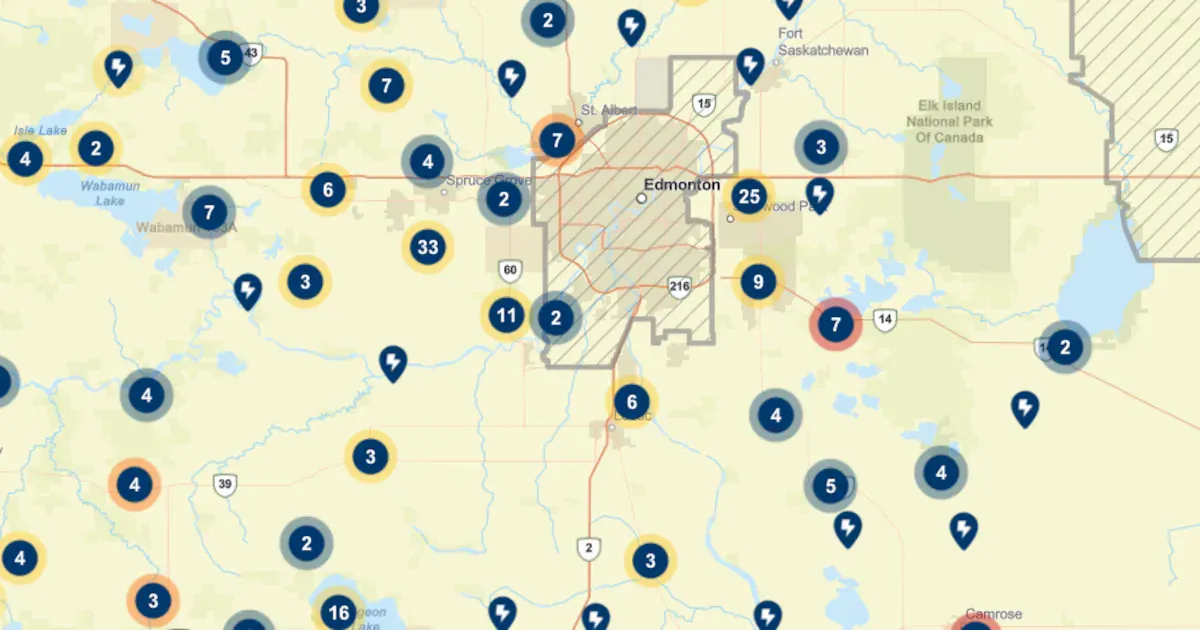
Power outages ramp up as windstorm sweeps through Edmonton and area - CTV News
AtlanticNova ScotiaNew BrunswickPrince Edward Island Newfoundland and LabradorCalgaryLethbridgeKitchenerGuelphNorthern OntarioSudburyNorth BaySault Ste. MarieTimminsOttawaKingstonBrockvillePembrokeReginaYorktonSaskatoonPrince AlbertTorontoWatchWeatherPeelHamiltonDurhamYorkHaltonNiagaraQueen's ParkToronto City HallIn PicturesVancouverVancouver IslandCanadaLocal SpotlightRoyal FamilyPoliticsNanosPower PlayQuestion PeriodFederal Election 2025WorldMideast ConflictRussia-Ukraine WarWatchLatestCaptured on CameraPoliticsLifestyleConsumerHealthExplainedEntertainmentTechnologyDeception DecodedAutosEnvironmentBusinessInflationReal EstateAutos

Electrocution that left Nova Scotia man dead happened during copper wire theft: RCMP - CTV News
AtlanticNova ScotiaNew BrunswickPrince Edward Island Newfoundland and LabradorCalgaryLethbridgeKitchenerGuelphNorthern OntarioSudburyNorth BaySault Ste. MarieTimminsOttawaKingstonBrockvillePembrokeReginaYorktonSaskatoonPrince AlbertTorontoWatchWeatherPeelHamiltonDurhamYorkHaltonNiagaraQueen's ParkToronto City HallIn PicturesVancouverVancouver IslandCanadaLocal SpotlightRoyal FamilyPoliticsNanosPower PlayQuestion PeriodFederal Election 2025WorldMideast ConflictRussia-Ukraine WarWatchLatestCaptured on CameraPoliticsLifestyleConsumerHealthExplainedEntertainmentTechnologyDeception DecodedAutosEnvironmentBusinessInflationReal EstateAutos
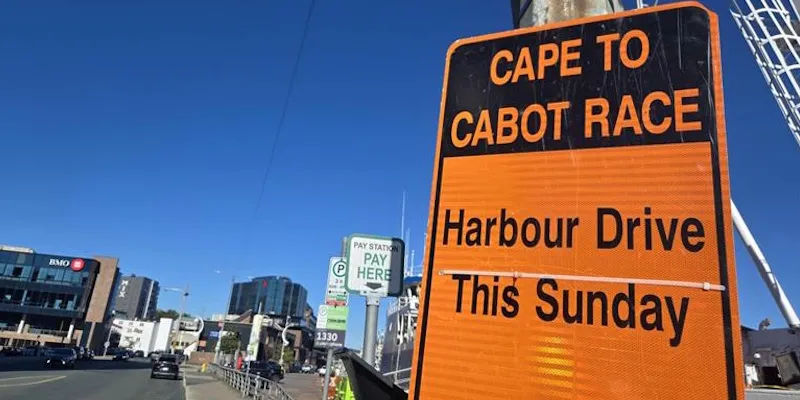
Runners Take on Cape to Cabot Challenge Tomorrow - VOCM
The 20th annual Cape to Cabot road race is taking place tomorrow. The grueling 20 km trek sees participants running from one historic landmark to another: From Cape Spear to Cabot Tower on top of Signal Hill. The race starts at 8 a.m., and because of that there are a few related road closures in St. John’s. Between 7:45 and 11a.m. there will be numerous road closures along the route. A full list can be found online at VOCM dot com. Expect traffic impacts from 7:45 a.m. to 11 a.m. on routes including Blackhead Road, Southside Road, Water Street, Harbour Drive, Duckworth Street, Temperance Street and Signal Hill Road.

Alberta referendum expected to bring finality, but also more questions on separation - Global News
On Monday, Albertans vote on whether to stay in Canada or hold another binding referendum on quitting Canada. If the vote goes as polls suggest, a majority of Albertans will mark an X to stay in Confederation, and Premier Danielle Smith has said if that’s so, she expects everyone to accept it and move on. Leaders of the independence movement contest that. And political watchers are divided about whether separation — previously a fringe sentiment — will now be a prominent, permanent feature of Alberta’s political landscape, as in Quebec. Julian Castro-Rea, a political-science professor at the University of Alberta who studies the separation debates in Quebec and Alberta, believes as long as Alberta feels alienated from the Canadian capital — feeling that Ottawa benefits from Alberta’s resource economy without giving back — the movement will have fuel. “Even if the referendum is lost, the westernization will still be around, because it’s kind of a way which, traditionally, Albertans have related to the rest of Canada,” says Castro-Rea, who believes western alienation may remain indefinitely. Story continues below advertisement
0 comments
No comments yet. Be the first to share your thoughts!