There's a Volcano in Antarctica Spewing Gold Crystals Into The Atmosphere - ScienceAlert
This story deserves to be shared
Send it to someone who'd care, or post it on your networks.
This article is an excerpt. To read the full content, visit the original source. ScienceAlert
Related articles
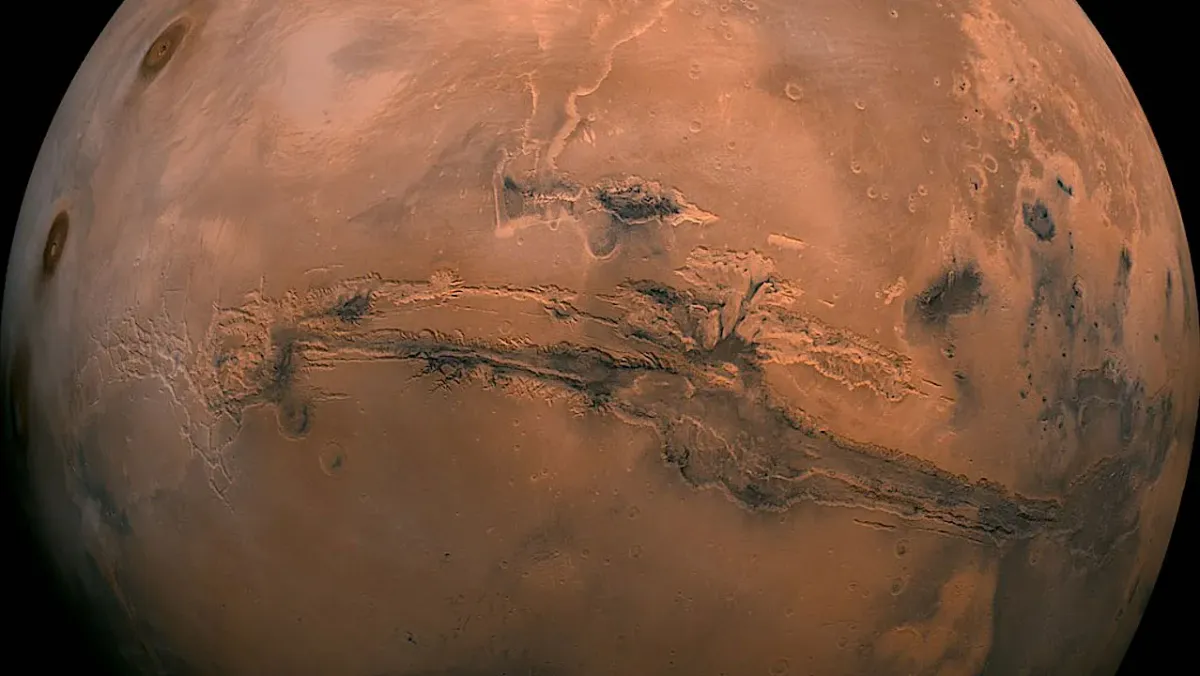
Astronomers discover a giant volcano on Mars that may hide the remnants of an ice glacier - The Brighter Side of News
Orbital observations suggest that a deeply eroded region near Mars’ equator contains the remains of a giant volcanic complex. Landforms and sulfate deposits point to past interactions between volcanic material and ice, but surviving buried glacier ice remains unconfirmed. Follow-up research and a proposed helicopter mission highlight the region’s scientific appeal without establishing present volcanic activity or a usable water reserve. A maze of fractured plateaus and canyons near Mars’ equator may preserve the remains of an enormous volcano. Within that landscape, scientists have also identified clues that glacier ice could survive beneath volcanic debris. Together, the observations make eastern Noctis Labyrinthus a compelling target for investigating the planet’s changing environment. The proposal concerns terrain already photographed by generations of spacecraft. Its significance lies in recognizing a possible geological structure within that familiar landscape, rather than discovering an unseen mountain. The volcano’s history and the present condition of any buried ice remain open questions.
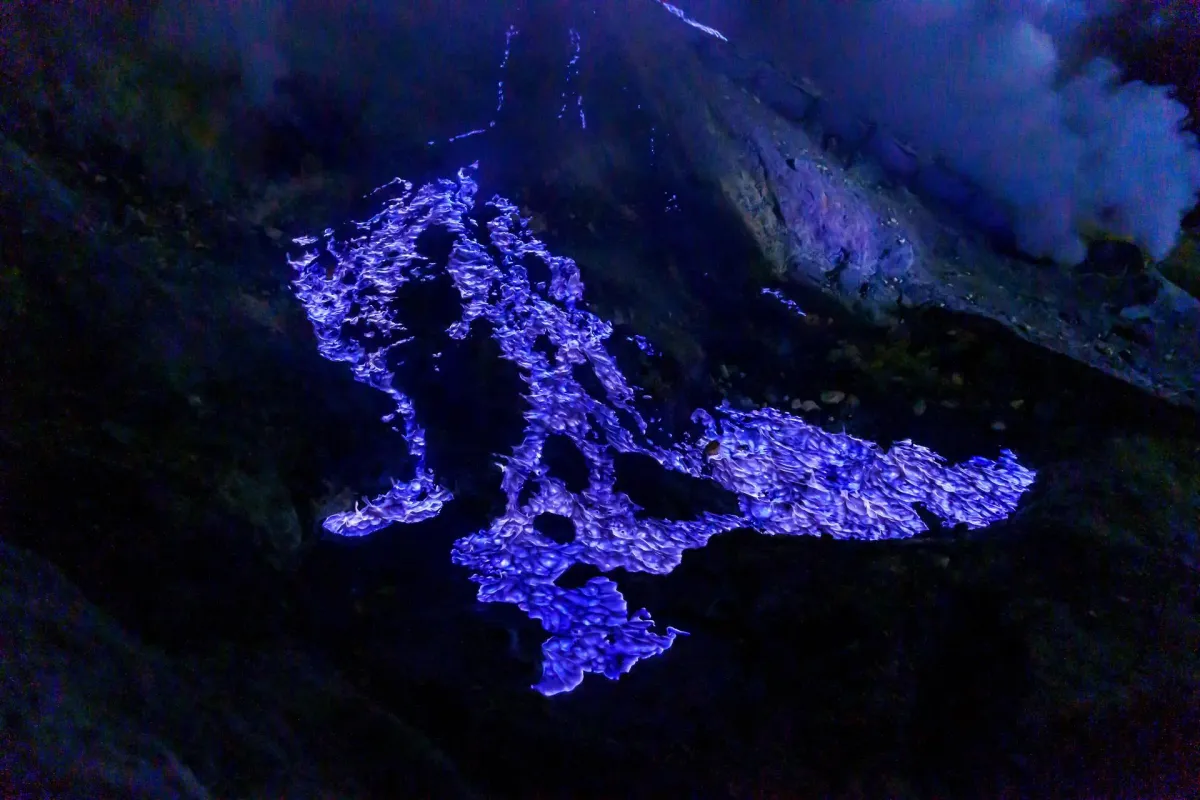
The only volcano on Earth glowing bright blue at night—scientists stunned - Futura, le média qui explore le monde
The Kawah Ijen volcano is the site of an astonishing and spectacular phenomenon © Daniel, Adobe Stock The Futura Team represents the pulse of Futura’s editorial department, bringing together a collective expertise dedicated to the dissemination of scientific knowledge. Rather than the work of a single author, every article published under this signature is the result of a rigorous collaborative process involving journalists, editors, and fact-checkers. Specializing in news analysis via desk research and international wire services, the team focuses on transforming raw information into accessible, verified content. This curation and synthesis process ensures constant monitoring of technological innovations and major scientific breakthroughs. By cross-referencing sources and conducting multiple rounds of peer review, the Futura Team guarantees scientific accuracy and pedagogical clarity. This collective signature serves as a hallmark of trust, providing reactive, cross-disciplinary information at the forefront of current events
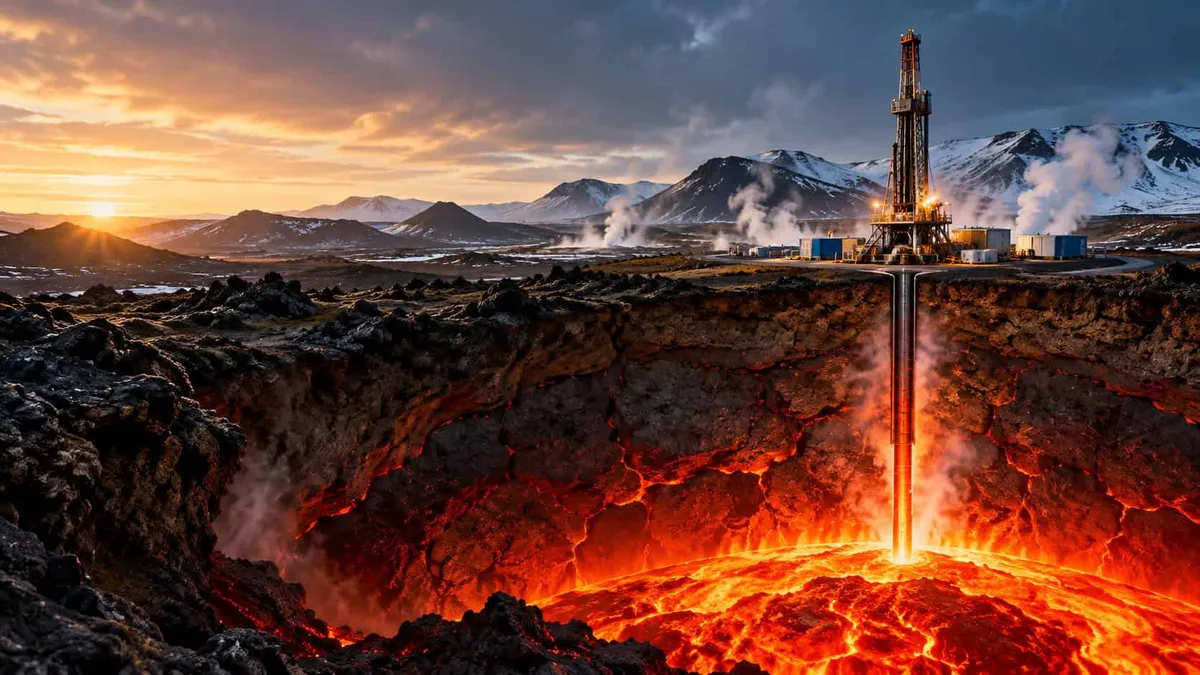
Iceland will tunnel into a volcano to tap into virtually unlimited geothermal power - ZME Science
An AI-generated image illustrating the concept of a geothermal plant drilling into a volcano’s magma chamber. An initiative that sounds a lot like Jules Verne‘s Journey to the Center of the Earth could open a new frontier in geothermal energy by deliberately drilling into magma, the molten rock beneath Earth’s surface.
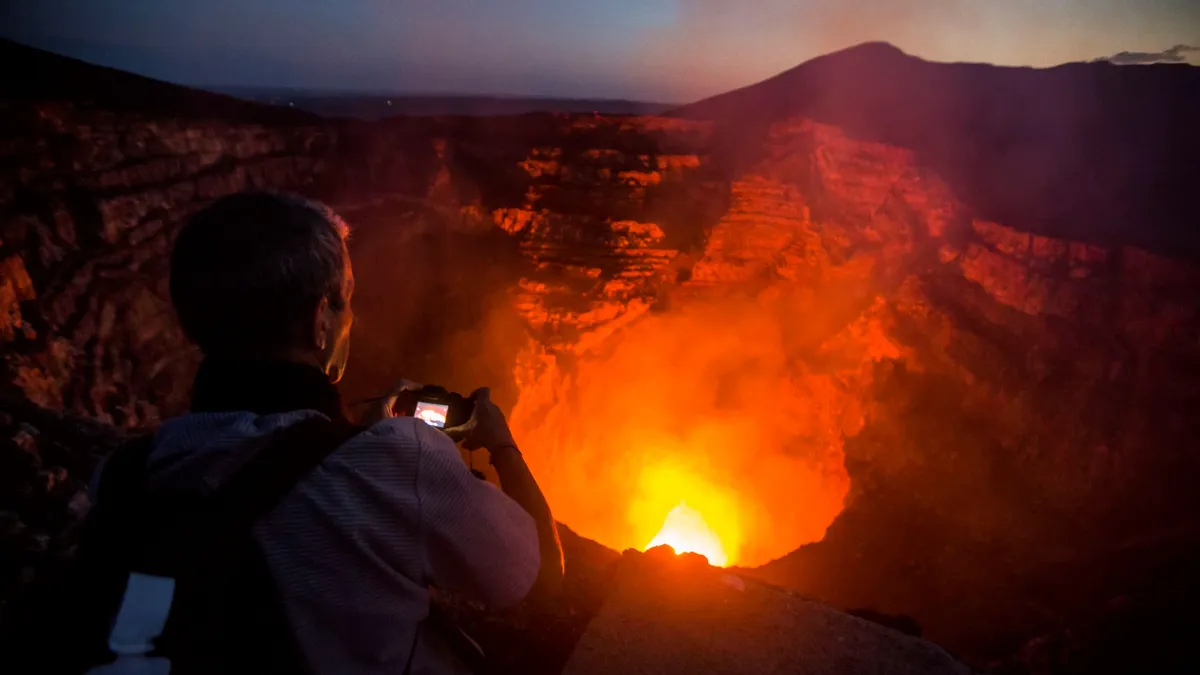
'Mouth of Hell' Volcano May Be Refilling With Magma - ScienceAlert
A tourist at Masaya Volcano. (INTI OCON/AFP via Getty Images) Thousands of tourists come to check out the 'Mouth of Hell', a lava lake inside Masaya Volcano, each month, and millions more people live nearby. Given how many people are on and around this well-and-truly active volcano, scientists are keeping a very close eye on what it's up to. Now, it appears two reservoirs of magma lurking within the volcano are active at the same time. Those are the findings presented in Geophysical Research Letters by a team from Pennsylvania State University, based on Sentinel-1 satellite radar images taken roughly every 12 days for six years. The volcano's famous lava lake is just a small surface feature of the much larger volcano complex, which researchers are still trying to understand, so they can better understand what risks face nearby residents and the droves of tourists that come through daily. Around 2 million people live in close proximity to the volcano. Managua, the capital city of Nicaragua, is about 20 kilometers (12 miles) away.
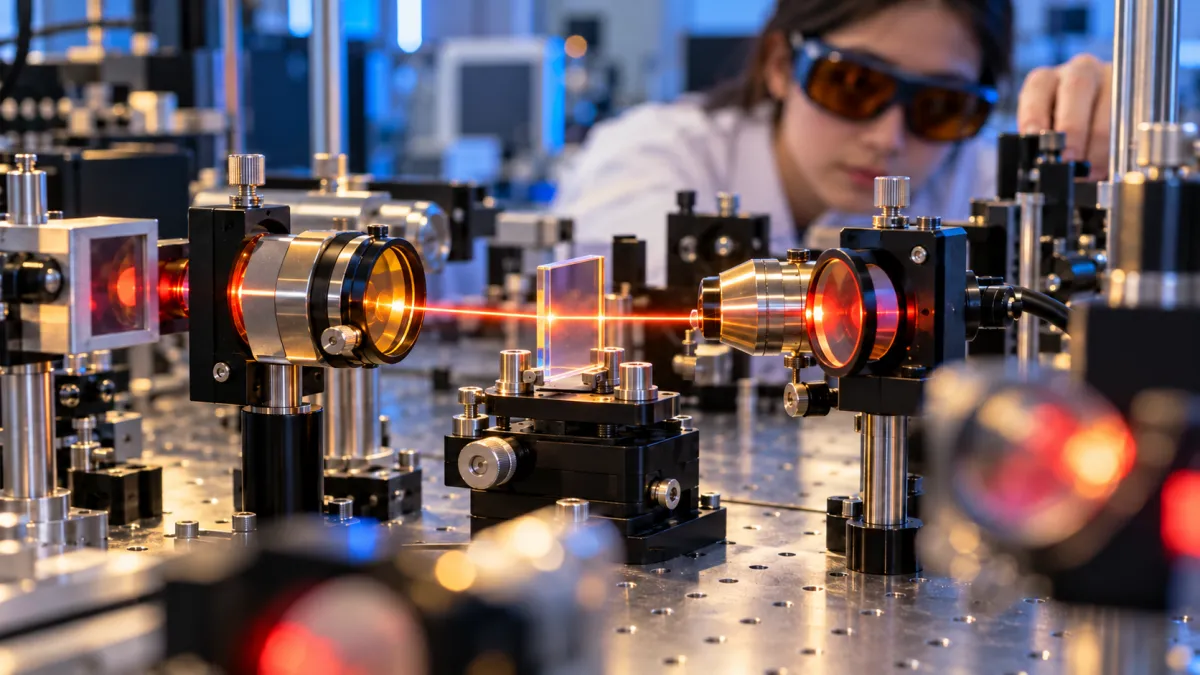
Laser light reveals the hidden quantum properties of crystals - The Brighter Side of News
Two ultrashort laser pulses revealed a difficult-to-measure quantum property in an atomically thin semiconductor. Combining optical measurements with an analytical model yielded a local Berry curvature consistent with theoretical calculations. The approach could help track rapid changes in electronic quantum states, although broader applications require further testing. A crystal can send electrons sideways even without an external magnetic field. Behind that unexpected motion lies Berry curvature, a geometric property of electronic quantum states. Measuring it experimentally, however, has remained considerably harder than calculating it. A collaboration between the universities of Jena and Regensburg has demonstrated an optical approach to that problem. In Nature Photonics, the team describes how ultrashort laser pulses and an analytical model revealed local Berry curvature in tungsten diselenide. The experiment examined a semiconductor layer less than one nanometer thick. Its response to light provided a quantitative estimate that agreed with theoretical predictions.
0 comments
No comments yet. Be the first to share your thoughts!