The surprising link between ovarian cancer and the fallopian tubes - Harvard Health
This story deserves to be shared
Send it to someone who'd care, or post it on your networks.
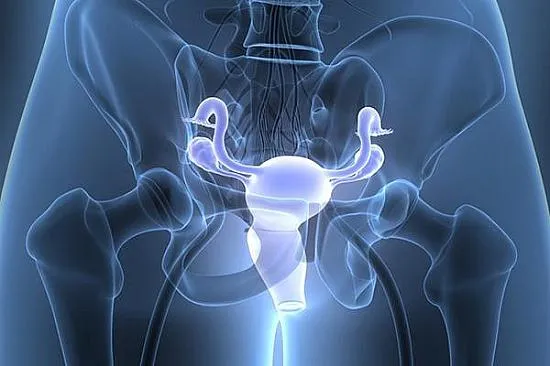
Medicine has long named cancers for where they originate. But that practice may be tipped on its head (in at least one instance) by mounting evidence that most cases of ovarian cancer actually start not in the ovary, but in the nearby fallopian tube.
This surprising shift in understanding began to take shape in recent years as scientists increasingly found precancerous lesions in the fallopian tubes — especially the finger-like projections known as fimbriae — when they examined tubes removed from women at high genetic risk of ovarian cancer. The disease is diagnosed in 21,000 women each year and kills more than 12,000, according to the American Cancer Society.
This article is an excerpt. To read the full content, visit the original source. Harvard Health
Related articles

Bowel and ovarian cancer rising among people under 50 in England — ScienceDaily - UA.NEWS
In England, the incidence of bowel and ovarian cancer has increased statistically significantly among people under 50, while no such increase was recorded in the group aged 50 and over. This was shown by a study published in BMJ Oncology, ScienceDaily reports. Scientists analyzed records from England’s National Disease Registration Service for 2001–2019. They compared trends in more than 20 types of cancer among men and women aged 20 to 49 and among people aged 50 and over. Increase in several types of cancerAmong younger women, a statistically significant increase was identified for 16 of the 22 studied cancer types, and among younger men, for 11 of 21. People under 50 more often developed thyroid, liver, kidney, gallbladder, bowel, pancreatic, oral, breast and ovarian cancers, as well as multiple myeloma and endometrial cancer. Among younger women, the incidence of endometrial, kidney, pancreatic and thyroid cancers, as well as multiple myeloma, rose faster than in the older group. Among men, this trend was found only for multiple myeloma. More current news is available on the UA. News Telegram channel Telegram.

Continuous glucose monitors help type 2 diabetes patients spend 5 more hours a day in healthy blood sugar range - Medical Xpress
Continuous glucose monitors (CGMs) could transform diabetes management for millions of Americans with type 2 diabetes who don't take insulin, according to findings published in the New England Journal of Medicine. The clinical trial found that adults using CGMs spent approximately five additional hours each day within their target blood sugar range compared with those receiving routine care. Nearly twice as many CGM users also achieved an A1c level below 7%, a common treatment goal for people with diabetes.
Wearing headphones during surgery may reduce nausea and vomiting afterward - Medical Xpress
Patients who wore noise-canceling headphones during minimally invasive gynecological surgery were significantly less likely to experience postoperative nausea and vomiting (PONV), suggest findings from a randomized clinical trial presented at the Anesthesiology 2026 annual meeting.
0 comments
No comments yet. Be the first to share your thoughts!