‘The clock on AI regulation is ticking’, warns UN rights chief - UN News
This story deserves to be shared
Send it to someone who'd care, or post it on your networks.
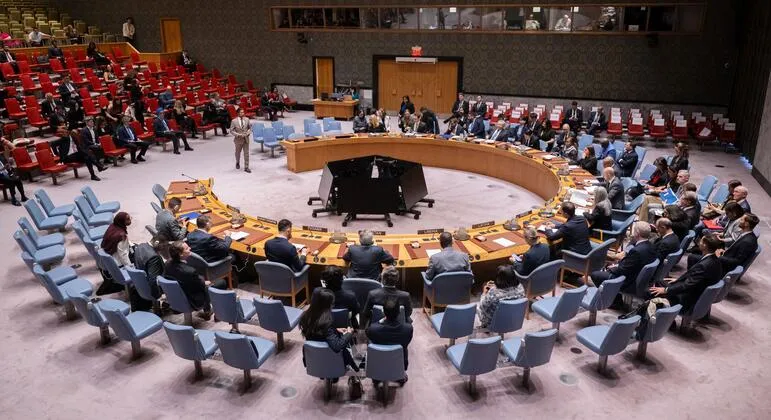
Speaking in the UK at an AI and Human Rights Summit in Oxford on Monday, Mr. Türk said the technology could deliver dazzling advances in science, health, education – and even human rights work.
But its tools are being built and controlled by a select few, without public oversight, and are already doing things their creators cannot fully predict or manage. Dystopia-creepHe warned that AI could undermine equality, freedom, privacy and public debate in subtle ways, “letting dystopia creep in unnoticed”. Entire populations could be cut off from communication, clean water, heating and financial services “at the click of a button”. He called for urgent action to prohibit machines from deciding who lives and who dies, noting that AI is already changing the face of warfare. He also cited studies showing students who rely on AI retain less and think less independently, and asked whether the world is heading for a future in which no one can understand, question or even guide the technology.
This article is an excerpt. To read the full content, visit the original source. UN News
Related articles
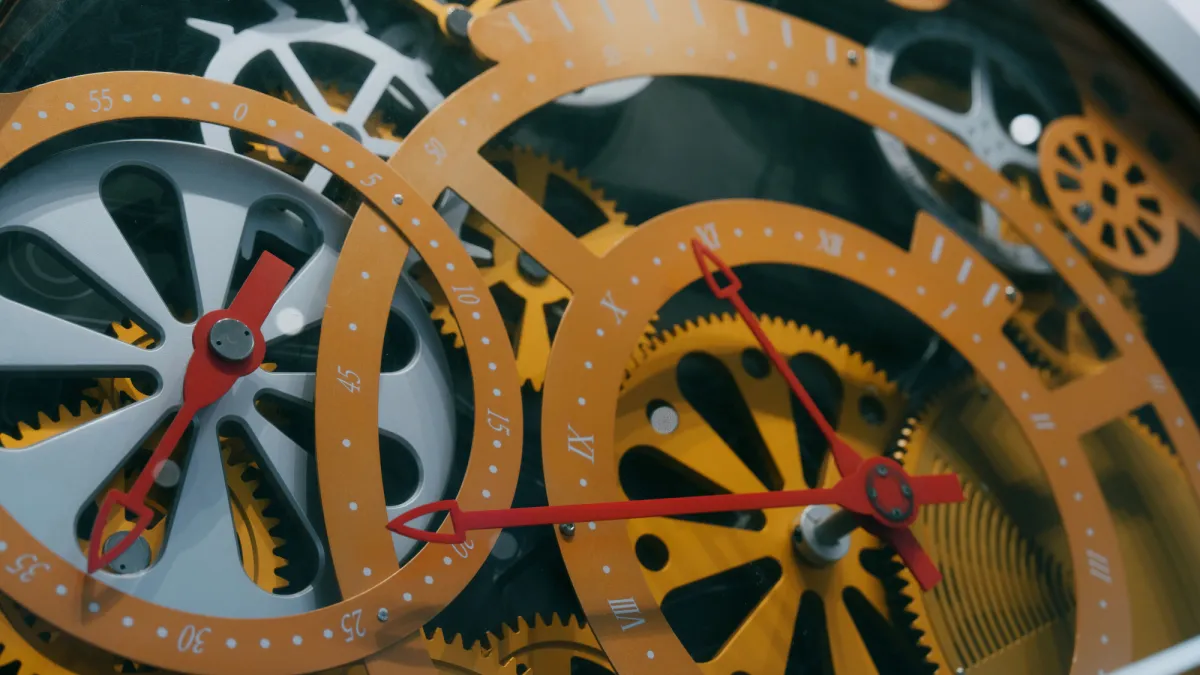
The world’s first nuclear clocks start ticking - Popular Science
Timekeeping has officially entered its nuclear age. Two independent teams, one in Vienna, Austria and another in Beijing, China have built working thorium-229 nuclear clock prototypes. Rather than track changes in an atom’s electrons the way that current atomic clocks do, these nuclear versions use a laser that’s tuned to the frequency where a thorium nucleus flips between two energy states for potentially even more accurate time keeping. Scientists believe this new approach could one day make the clocks far more reliable than any existing atomic timekeeper. To put that in perspective, current atomic clocks can keep time with an uncertainty of 1 second every 300 million years. Scientists predict that more advanced nuclear clocks could move that metric into the billions of years. That could open the door to probing some of the universe’s hardest-to-measure phenomena, like notoriously elusive dark matter. The Chinese clock and Austrian clock were detailed in a pair of studies published this week in the journal Nature.

Ontario’s ticking property-tax bomb, the Home of the Week and more top real estate stories - The Globe and Mail
Open this photo in gallery:The Home of the Week is a Frank Lloyd Wright-inspired refuge on B. C.'s Pender Island. Nicole Eastman/Nicole EastmanThis week: Why your property tax bills are a ticking time bomb, and an unconventional way to save for a downpayment. Plus, the case against making mortgage interest payments tax-deductible, and one property worth a look. Take our business and investing news quizProperty taxOntario homeowners are sitting on a ticking tax bombOpen this photo in gallery:The valuations Ontario municipalities use to calculate your property bills have been frozen for six years, and many homeowners could be in for a shock if the freeze ends. COLE BURSTON/The Canadian PressIf you own a home in Ontario, be prepared to take cover. Ever since the province froze the price estimate that municipalities use to calculate property taxes in 2020, your bills have been a ticking time bomb. And as Jeff Gray reports, lifting the freeze could have explosive political and financial consequences – but so could leaving it in place. As you probably well know from your property tax bills, the freeze at 2016-assessed values hasn’t stopped municipalities from raising property tax rates.
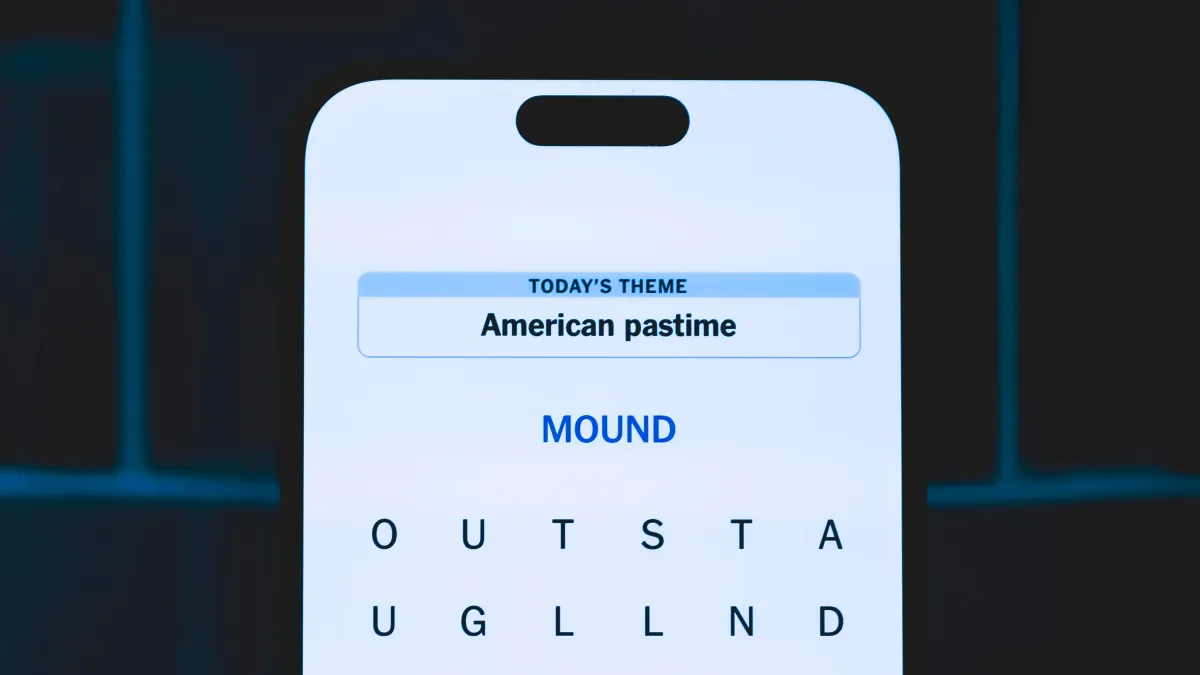
Today’s NYT Strands Hints, Spangram and Answers for Sunday, Oct. 18, #959 - CNET
Here’s your NYT Strands hint for today, plus the spangram and all of today’s Strands answers for puzzle No. 959 on Sunday, Oct. 18, 2026. Today’s Strands theme was tricky. It helps to be a runner. Read on for all the answers.
0 comments
No comments yet. Be the first to share your thoughts!