The bacteria that make cheese taste so good may also benefit your gut - Science Daily
This story deserves to be shared
Send it to someone who'd care, or post it on your networks.
This article is an excerpt. To read the full content, visit the original source. Science Daily
Related articles
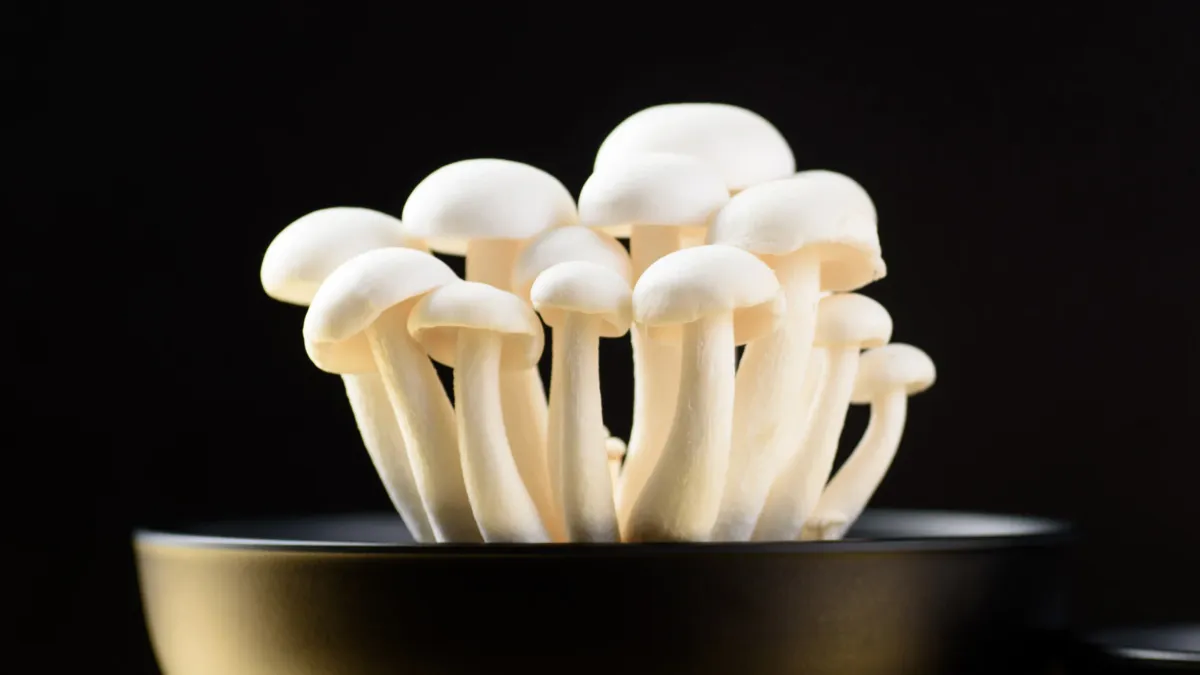
Adding 1 Mushroom-Derived Molecule to Salt Can Make It Taste 71% Saltier - ScienceAlert
You taste a bowl of soup and reach for the salt. A little more might bring the flavor together. But what if the same amount of salt could deliver a stronger salty taste? Scientists in China have found three tiny fragments of mushroom proteins that did just that in laboratory tests. Added to salt solutions, the molecules made them taste saltier, with the strongest increasing perceived saltiness by about 71 percent. The discovery could help researchers develop seasonings that preserve salty flavor while allowing less sodium. The study in npj Science of Food, led by researchers at Gannan Medical University and Shanxi Medical University, tested peptides from the edible beech mushroom (Hypsizygus marmoreus). Peptides are short chains of amino acids, the building blocks of proteins. Some have tastes of their own, including umami, the savory quality associated with mushrooms and other foods. Certain umami peptides can also strengthen the perception of saltiness. That makes them interesting candidates for a familiar problem: reducing salt can change the taste of food, making a healthier formulation harder to enjoy.
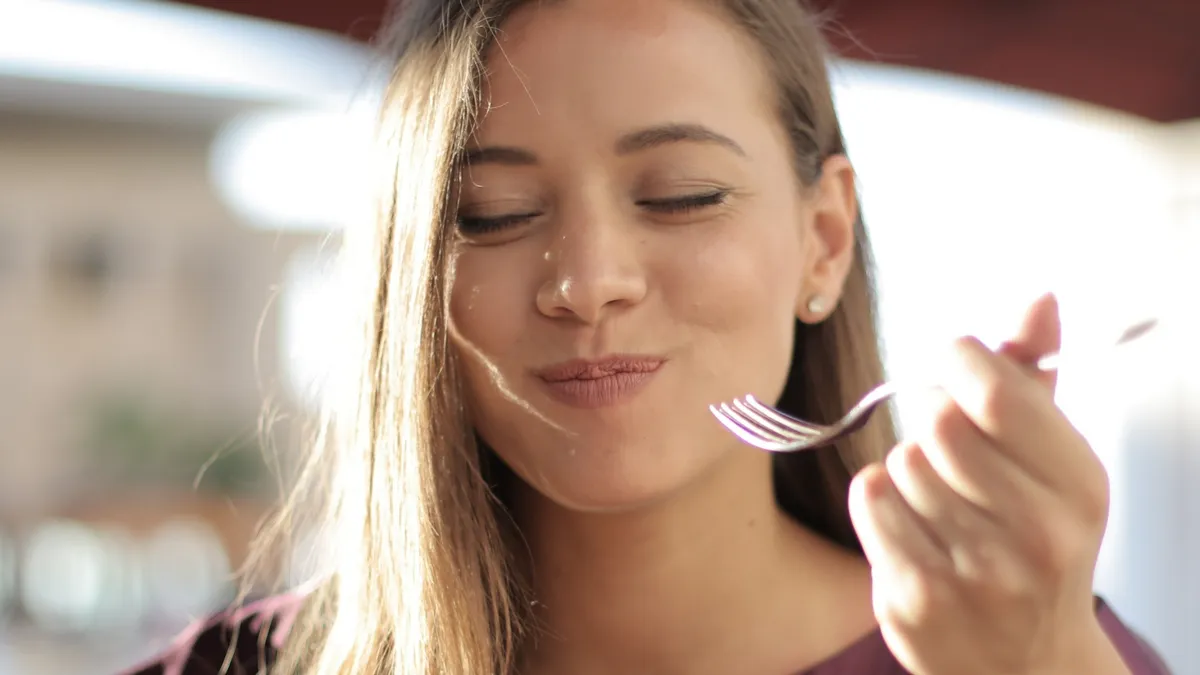
Blind Taste Test Busts The Leftovers Myth, Mostly - ScienceAlert
There's a specific kind of joy in opening the fridge to find leftovers waiting for you like a gift from your past self. Many people insist that they taste better than the original. Some might accept this as one of life's little quirks, similar to how one sock disappears in the wash. But scientists like to investigate quirks, and a team at Deakin University in Australia did just that. To see whether this kitchen myth is backed by evidence, they recruited people to blind-test fresh dishes against their day-old counterparts. Their study is posted as a preprint (it hasn't yet undergone peer review) and concludes that 'leftovers taste better' is not entirely a myth. But it isn't as universal as we might think. In fact, only one of their test dishes lived up to the reputation. "Few culinary beliefs are as persistent as the idea that some foods taste better the next day," the team writes. First author Russell Keast has a personal history with this phenomenon. Before becoming a food and sensory scientist, he trained as a chef and heard the claim many times, even experiencing it himself.
0 comments
No comments yet. Be the first to share your thoughts!