T. rexes were as warm-blooded as elephants, study finds - CBC
This story deserves to be shared
Send it to someone who'd care, or post it on your networks.
This article is an excerpt. To read the full content, visit the original source. CBC
Related articles
"Cold-blooded killer": The strange rise of Borneo's 'vampire squirrel' - BBC Science Focus Magazine
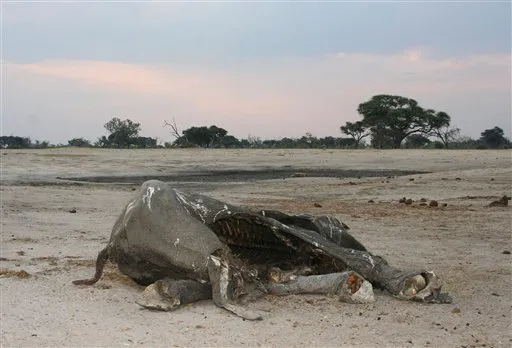
Where Elephants Fall, Their Impact Echoes for Years - Newser
Study finds giant carcasses create long-lasting nutrient hotspots and grazing zones An elephant's death leaves a footprint that can linger on the land for nearly a decade, scientists say. A study in the Proceedings of the National Academy of Sciences tracked the carcasses of 40 elephants that had died between eight days and eight years earlier in South Africa's Kruger National Park. Researchers found the massive bodies first wipe out nearby plants by blocking sunlight, creating stark "cold spots" where both plant and microbial diversity plunge under a surge of nutrients like ammonium that can hit 3,000 times the norm, reports the Washington Post. "That amount of ammonium was not on my bingo card," Kruger National Park employee Tercia Midzi tells BBC Wildlife.
0 comments
No comments yet. Be the first to share your thoughts!