Scientists to Classrooms: A thriving Science News Learning outreach program - Society for Science
This story deserves to be shared
Send it to someone who'd care, or post it on your networks.
This article is an excerpt. To read the full content, visit the original source. Society for Science
Related articles
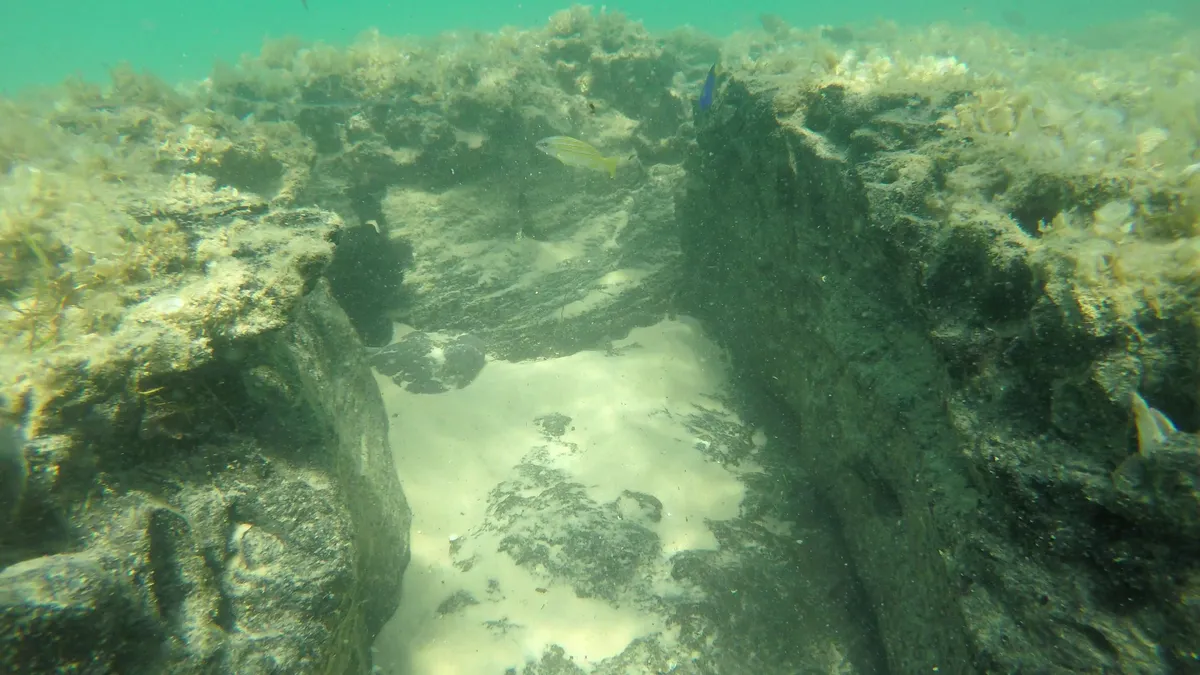
Drowned 5,000-year-old forests reborn as thriving peat reefs and biodiversity hotspots off Mozambique - Phys.org
Peat reef habitat fauna, a bluebanded snapper. Researchers from the Bazaruto Center for Scientific Studies (BCSS) Ocean Observatory have documented ancient forests that grew on the Mozambican coast thousands of years ago and have been found beneath the sea, where they now serve as hotspots teeming with marine life similar in biodiversity to coral reefs. The discovery raises the question of how many more of these hidden peat reefs exist around the world's coastlines and how to evaluate them as a carbon store and develop policies to protect them and their biodiversity. The paper in Scientific Reports published by the BCSS Ocean Observatory, working in collaboration with researchers from U.
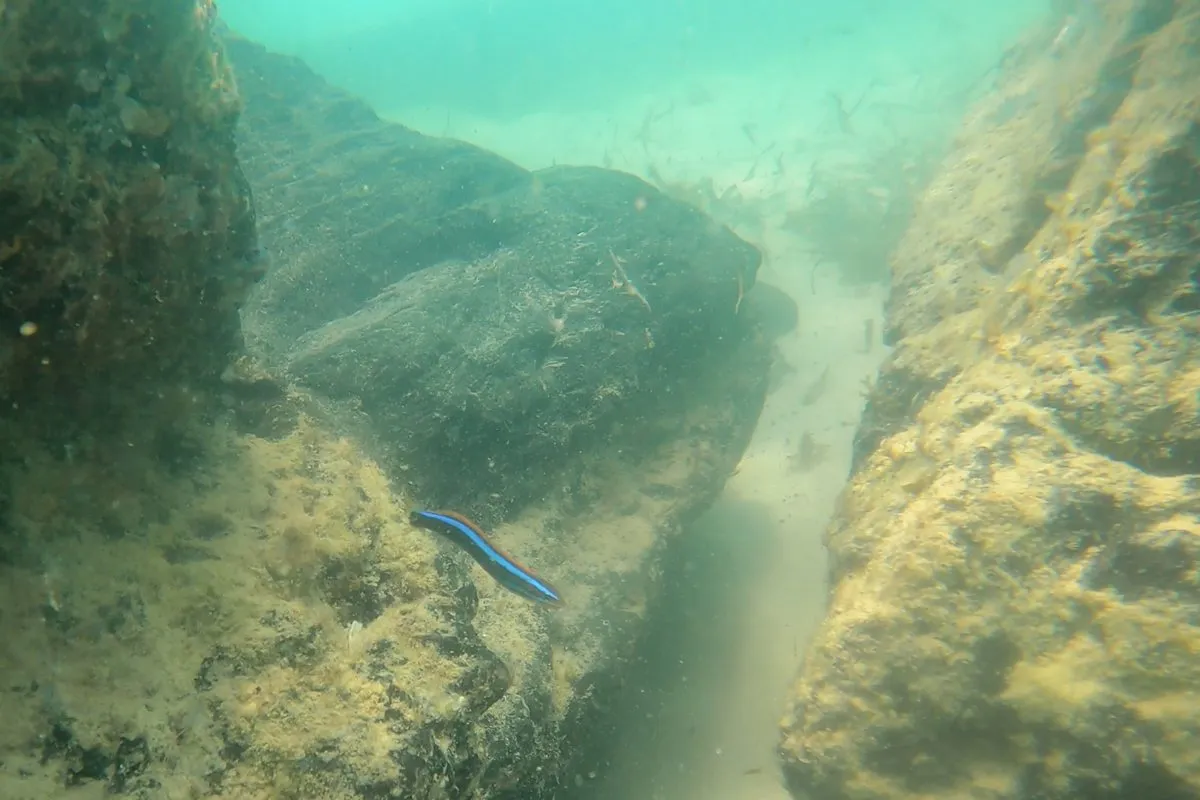
5,000 years ago, these forests drowned. Now they're thriving reefs – home to oysters, sponges, sharks, rays and turtles - BBC Wildlife Magazine
Researchers in Bazaruto, Mozambique, have discovered the underwater remains of forests that were submerged by rising seas thousands of years ago – and they were surprised by the amount of biodiversity living on these so-called ‘peat reefs’. Using radiocarbon dating, the scientists found that the reefs formed between around 300 and 5,000 years ago. Published in the journal Scientific Reports, the paper is believed to be the first ecological study of tropical peat reefs.

George Mason helps teachers bring quantum science into K-12 classrooms - George Mason University
Quantum technologies are poised to transform computing, communications, and national security. At George Mason University, faculty are working to ensure students do not have to wait until college to begin imagining themselves as part of that future. Through a growing series of professional development opportunities, George Mason’s Quantum Science and Engineering Center (QSEC) is partnering with K-12 educators to make quantum science approachable, relevant, and practical for students.
Mark Rober’s mission to support science classrooms - YouTube Official Blog

Ancient mud reveals a surprising secret about Greenland’s ice - Earth.com
Mud from a fjord shows an Atlantic air pattern brought wetter, colder spells to southern Greenland, a clue to how its ice may fare. Greenland’s ice is shrinking as the planet warms. But in the island’s southwest, rainfall and snowfall have been influenced by the same North Atlantic air-pressure pattern for at least 5,000 years. When that pattern tipped one way, the region turned wetter and colder. The record comes from mud on the floor of a Greenland fjord, and it suggests snowfall, not only temperature, shaped how the area’s ice grew and shrank. It doesn’t yet show how glaciers there will respond to the warming ahead. Johan Faust, a researcher at MARUM, the Center for Marine Environmental Sciences at the University of Bremen in Germany, led the work with colleagues in Germany, Norway, Denmark and Canada. A seesaw in the airThe pattern is called the North Atlantic Oscillation. It’s the difference in air pressure between a low that sits near Iceland and a high near the Azores, and it’s strongest in winter. When that difference is large, the pattern is in its positive phase. Northwestern Europe and southwestern Greenland both get more rain and snow.
0 comments
No comments yet. Be the first to share your thoughts!