Scientists show that DNA can last for up to 50,000 years in Africa — much longer than previously thought - Live Science
This story deserves to be shared
Send it to someone who'd care, or post it on your networks.
This article is an excerpt. To read the full content, visit the original source. Live Science
Related articles
Adaptive molecular convergence more common than previously thought, distant jellyfish relatives reveal - Phys.org
A new study has found that adaptive molecular convergence—the process by which distantly related or unrelated species evolve the same genomic changes—is not as rare as previously thought.
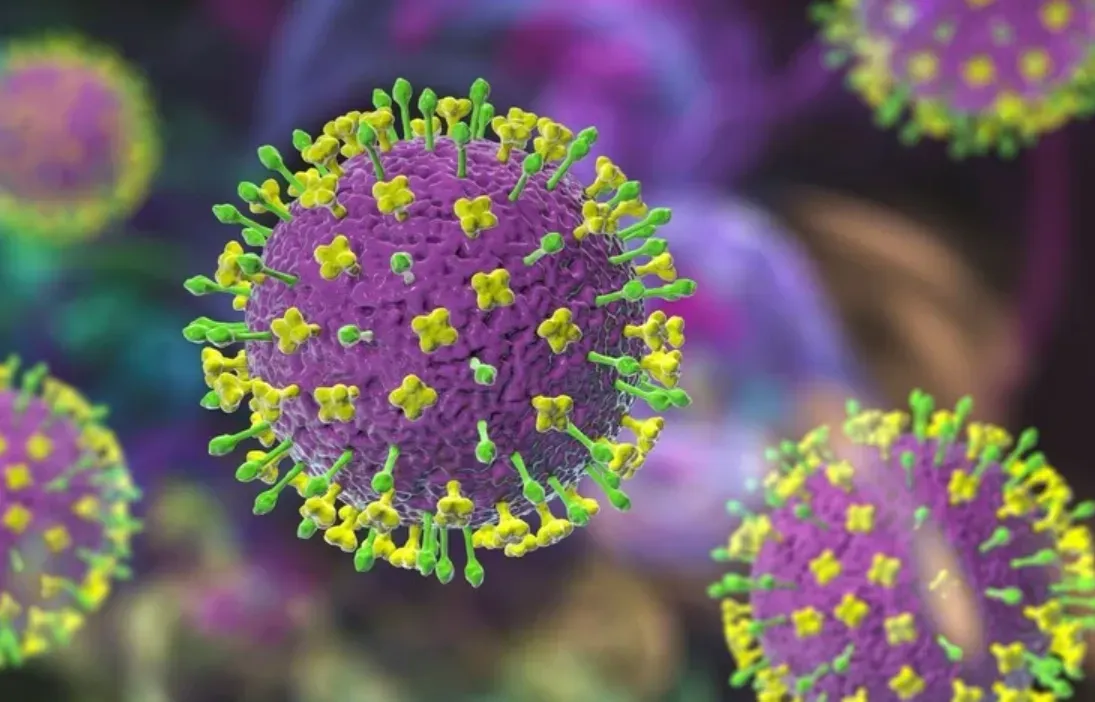
Nearly 12,000 viruses previously unknown to science have been discovered in the Pacific Ocean - UA.NEWS
In the Clarion-Clipperton Zone in the Pacific Ocean, scientists have discovered 11,742 viruses, about 99% of which had not been previously described. The researchers believe these viruses may play an important role in the functioning of the deep-sea ecosystem. Scientists collected samples of seafloor sediments in 2023 and 2024, after which they analyzed the viruses’ genetic material. The results of the study were published in the journal *Nature Communications*. The Clarion-Clipperton Zone is known for its large deposits of polymetallic nodules containing manganese, cobalt, nickel, lithium, and zinc. These resources have industrial value, which is why the region is being considered for future deep-sea mining. At the same time, the nodules are an important part of the local ecosystem. Various organisms live on them, and many of the viruses identified likely infect bacteria and archaea involved in the cycles of carbon, nitrogen, phosphorus, sulfur, and metals. Scientists suggest that the viruses found may influence chemical processes in seafloor sediments. However, their exact role in the ecosystem remains poorly understood.
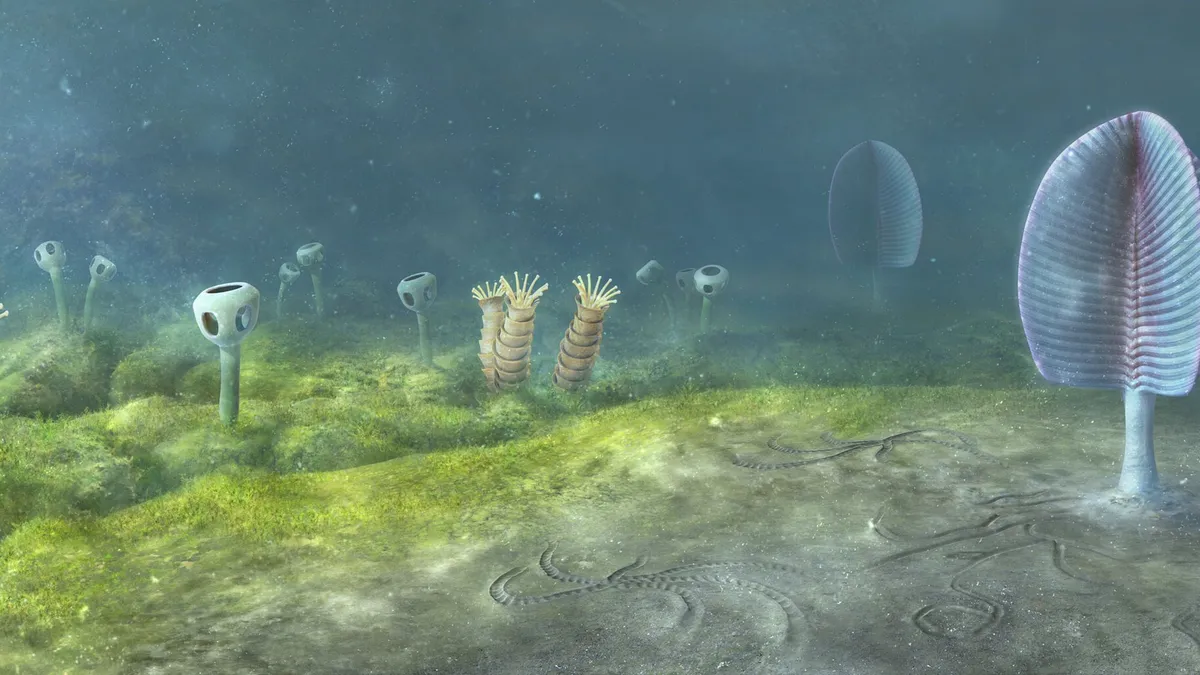
Animals may have evolved 200 million years earlier than previously thought, new study suggests - Live Science
After using a technique called molecular clock analysis, researchers have proposed that the origin of animals could be 200 million years earlier than thought.

Simulations explore nuclear mitigation of asteroid threats - Phys.org
Lawrence Livermore National Laboratory researcher Isaiah Santistevan led the development of three-dimensional simulations exploring how a nuclear device could deflect or disrupt an asteroid threatening Earth. Credit: Blaise Douros/LLNL Lawrence Livermore National Laboratory (LLNL) researchers are developing three-dimensional simulations to examine how a nuclear device could be used to deflect or potentially disrupt an asteroid threatening Earth.
0 comments
No comments yet. Be the first to share your thoughts!