Scientists race to collect the last seeds from a critically endangered tree before it goes extinct - Live Science
This story deserves to be shared
Send it to someone who'd care, or post it on your networks.
This article is an excerpt. To read the full content, visit the original source. Live Science
Related articles
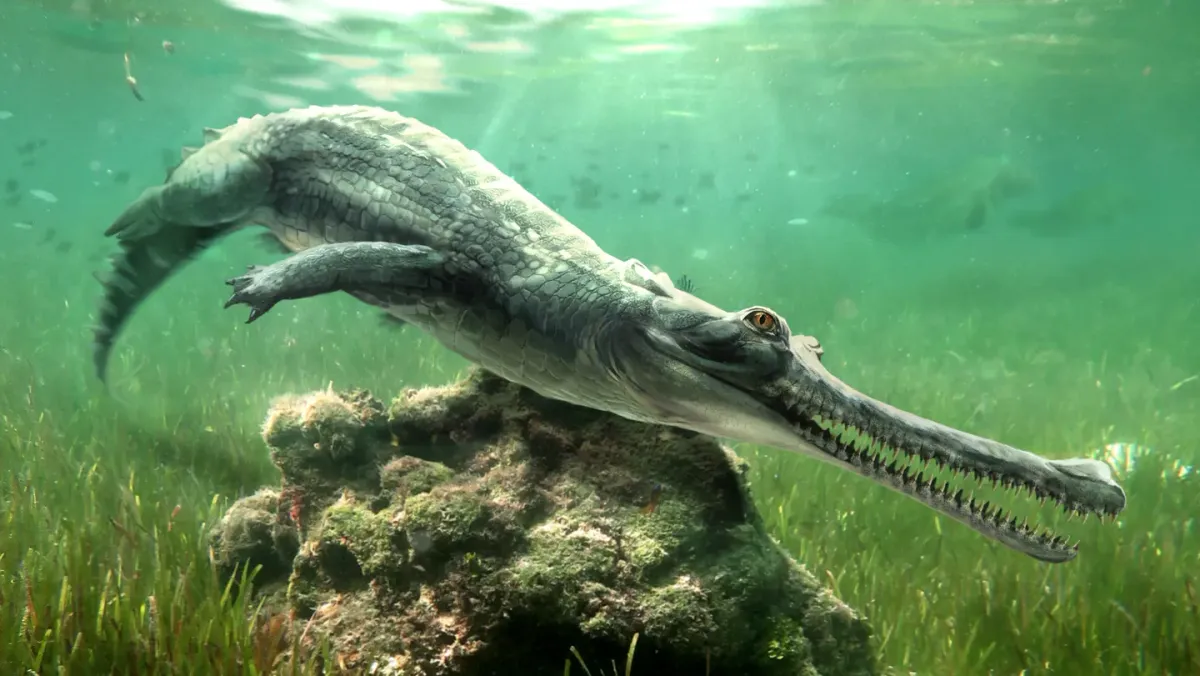
An extinct crocodilian was found among rocks that built the Great Sphinx - Science News
Much like the huge statue that was born from the same rocks, Herugavialis is missing its nose Some 45 million years ago, Herugavialis (shown) snatched up fish in the coastal waters of the Tethys Ocean. The crocodilian has been identified as a unique branch of the gavial family tree.
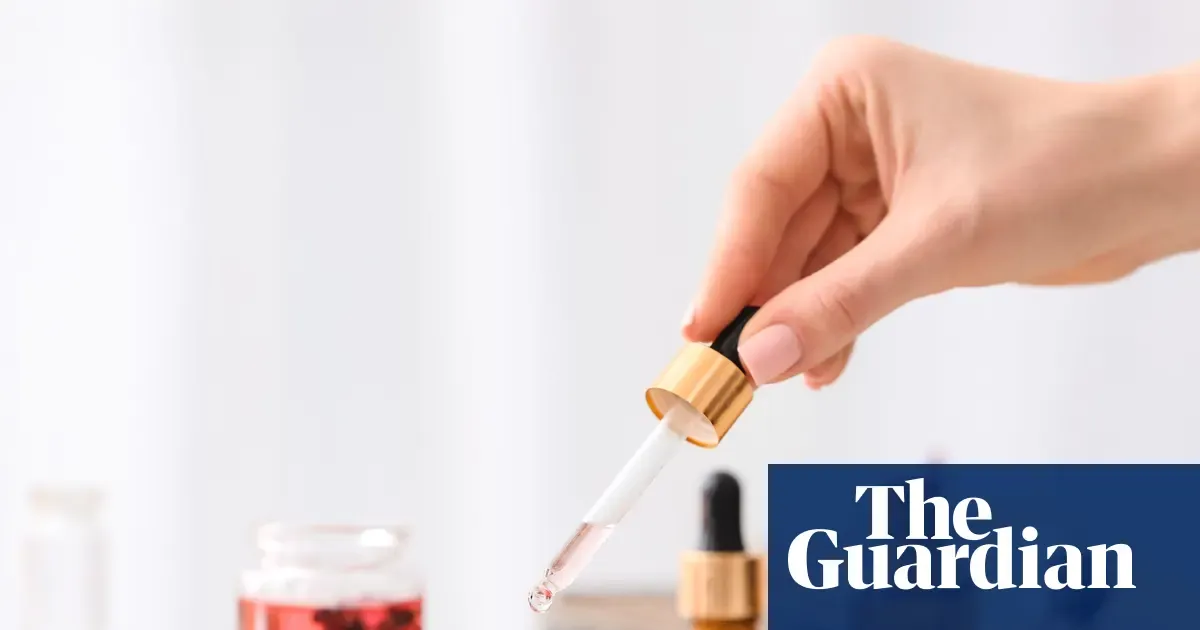
Making scents: could AI help perfumers take pressure off endangered plants? - The Guardian
Many of the world’s most expensive perfumes begin with a wounded tree. When some Aquilaria trees are damaged, they produce a dark, fragrant resin that becomes agarwood, or oudh – an ingredient so valuable that wild trees have been illegally felled in its pursuit. The result has devastated wild Aquilaria populations. But what if perfumers could create the smell without cutting down the tree? With the help of AI, scientists are learning to predict how molecules that have never been made will smell, reconstructing scent-producing genes from flowers believed to be extinct. Others have collected microbes from clouds and used them as a starting point for new perfumes. Now scientists and biotechnology companies say advances could soon allow the fragrance industry to reproduce scents and compounds from endangered plants without repeatedly harvesting them. “Being able to recreate the scent of an endangered plant would be a huge win for both the environment but also the brands,” said Alex Wiltschko, the founder of Osmo, a Google Brain spin-off that has raised $130m to develop artificial intelligence capable of predicting and recreating smells.
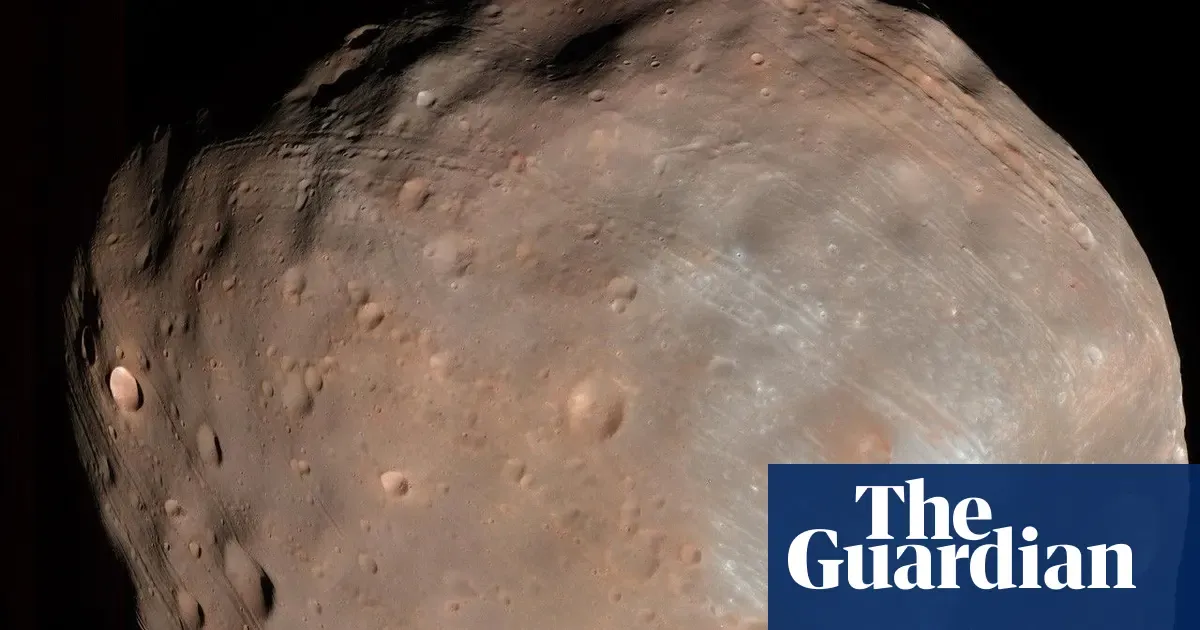
Japan to launch world-first mission to collect samples from Martian moon - The Guardian
Japan is to launch a spacecraft on the world’s first mission to bring back samples from Phobos, one of the two small, potato-shaped moons orbiting Mars. Scientists hope the mission, which is expected to take five years, will provide clues to how Phobos and its smaller sibling Deimos formed, and hopefully even shed light on the origins of life in the solar system. The Japan Aerospace Exploration Agency (Jaxa) is aiming to launch the spacecraft on Tuesday on a new Japanese mainstay H3 rocket. Yasuhiro Kawakatsu, the project manager for the Martian Moons eXploration (MMX) mission, said samples from Phobos would provide useful data for scientists to consider using a Martian moon as a base for a future manned mission to the planet. The US, China and others are hoping to send astronauts to Mars. “Despite their potential importance, Martian moons have never been fully investigated,” Kawakatsu said. “They are known as the most important unclimbed mountains in the solar system.”Japan is leading an international mission, which includes equipment and communications support from Nasa and other national space agencies.
0 comments
No comments yet. Be the first to share your thoughts!