Scientists identify the rare meteorite that killed the dinosaurs 66 million years ago - Science Daily
This story deserves to be shared
Send it to someone who'd care, or post it on your networks.
This article is an excerpt. To read the full content, visit the original source. Science Daily
Related articles
Researchers identify class of “oddball” meteorite that killed the dinosaurs - The University of British Columbia
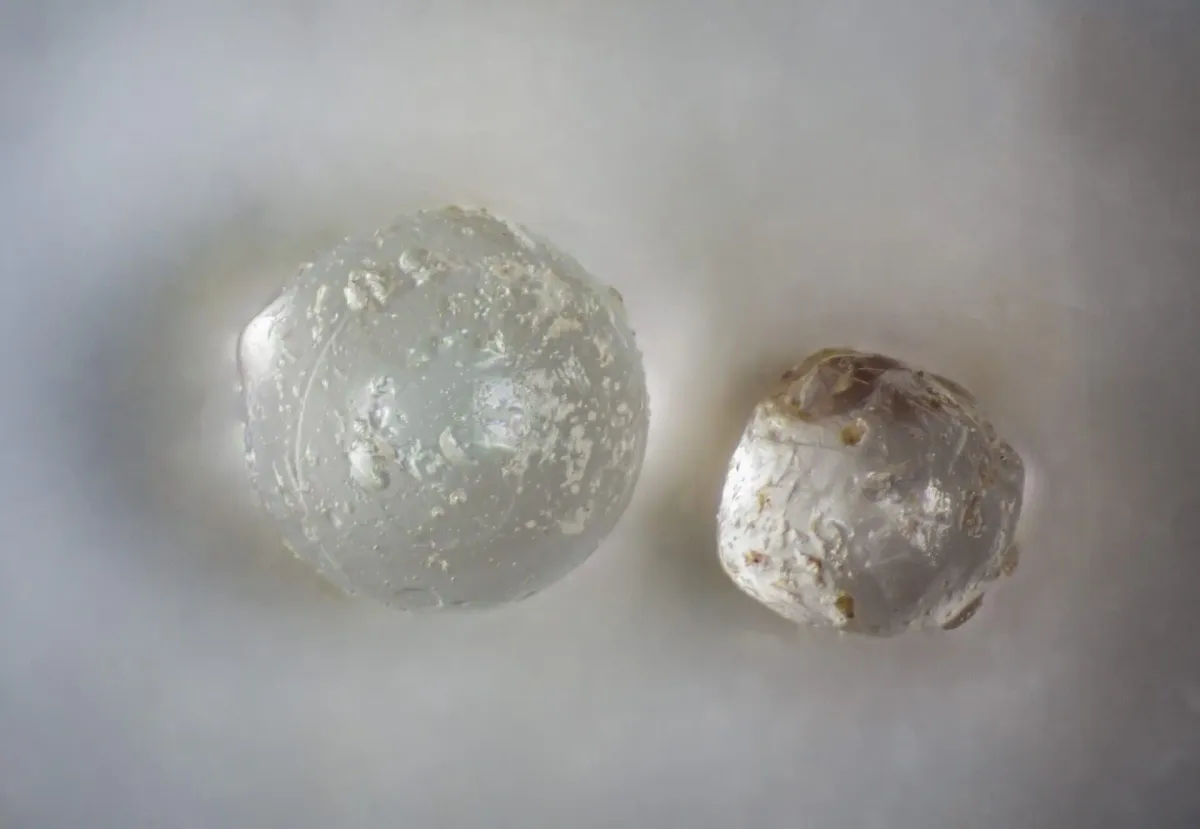
In 2006, A Florida Man Sifting Mud Out Of Fossil Clams Found 83 Tiny Glass Beads Inside. They Had Been Blasted Out By A Meteorite Impact - Futura, le média qui explore le monde
He was looking for microscopic shells in a Sarasota County quarry. What he found sat in a drawer for years before anyone understood where it came from. In the summer of 2006, Mike Meyer was doing the kind of work that never makes the news. An undergraduate at the University of South Florida, he had joined a fieldwork project in a quarry in Sarasota County, on Florida’s Gulf Coast, led by Roger Portell of the Florida Museum of Natural History. The students were collecting fossil clams, and Meyer’s job was to sieve the sediment packed inside them.
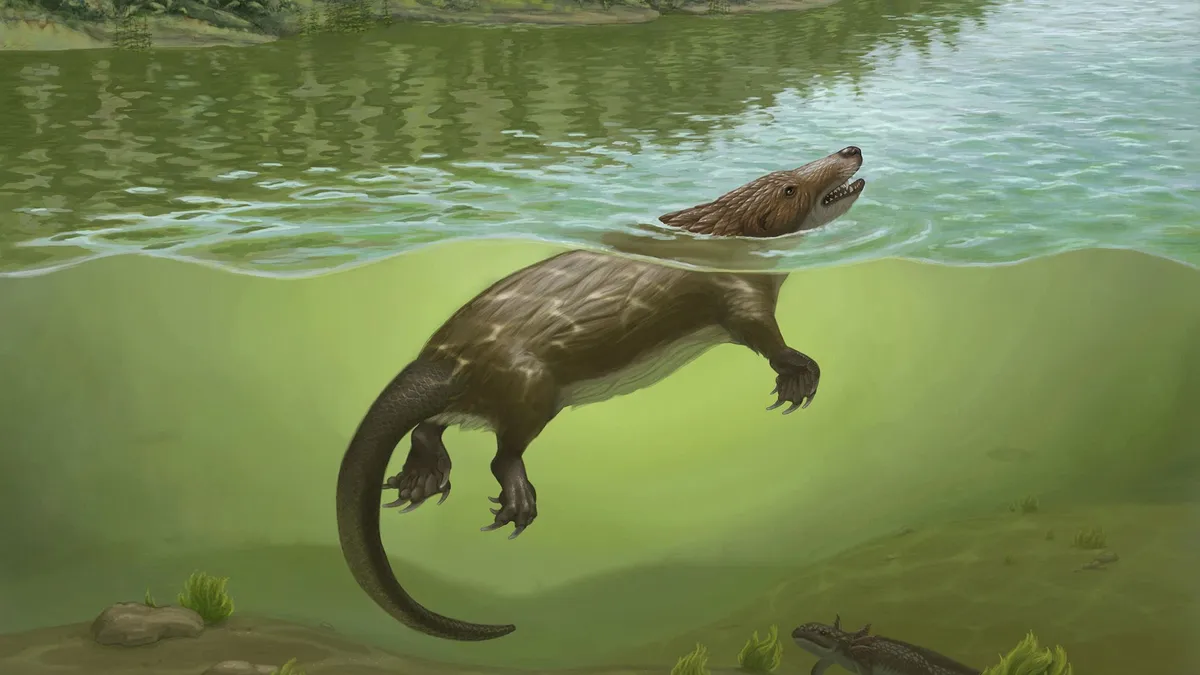
'It looks like a chimera' — 168 million years ago, a strange platypus-like mammal relative lived in China alongside dinosaurs - Live Science
A predatory mammal-like animal from the Jurassic seems to have characteristics of both a platypus and an otter.

Scientists find evidence for several Earth axis shifts during the age of dinosaurs - The Brighter Side of News
A new study finds evidence that Earth may have undergone several episodes of rapid true polar wander during the past 320 million years, with the strongest signals in the Jurassic and Cretaceous. Instead of relying primarily on ancient magnetic fields, researchers tracked patterns of continental flooding and retreat caused when the solid Earth shifted relative to its spin axis. The results support rapid events between about 150 and 140 million years ago and 100 and 90 million years ago, while challenging the idea that true polar wander has always been negligible or persistently slow. Earth’s geographic poles can appear permanent on human time scales, but the planet’s solid exterior has not always remained fixed relative to its rotation axis. A new study suggests that the crust and mantle underwent several episodes of relatively rapid reorientation during the past 320 million years. Instead of relying mainly on magnetic signatures preserved in rocks, researchers found evidence in an unexpected archive: ancient changes in where oceans flooded the continents.
0 comments
No comments yet. Be the first to share your thoughts!