Science or strategy? Researchers call for transparency over the Anthropocene rejection - Phys.org
This story deserves to be shared
Send it to someone who'd care, or post it on your networks.
This article is an excerpt. To read the full content, visit the original source. Phys.org
Related articles
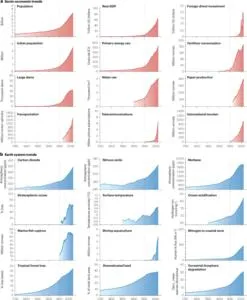
KAIST proposes a common framework for understanding the “Anthropocene,” the Earth altered by humans - EurekAlert!
image: Great Acceleration graphs showing the mid-20th-century starting point of the Anthropocene: changes in the socioeconomic system (a) and changes in the Earth system (b) How much have humans changed the Earth? An international research team including a KAIST researcher has proposed a common framework for defining the meaning and starting point of the “Anthropocene,” a period in which human activities have rapidly transformed the global environment. The researchers propose using 1952 as a reference point to distinguish the relatively stable Earth environment before that year from the rapid changes that followed, allowing the scale and speed of today’s environmental crisis to be understood more accurately.
Are we in the Anthropocene Epoch? Scientists can't decide - ABC News & Headlines – Australian Broadcasting Corporation
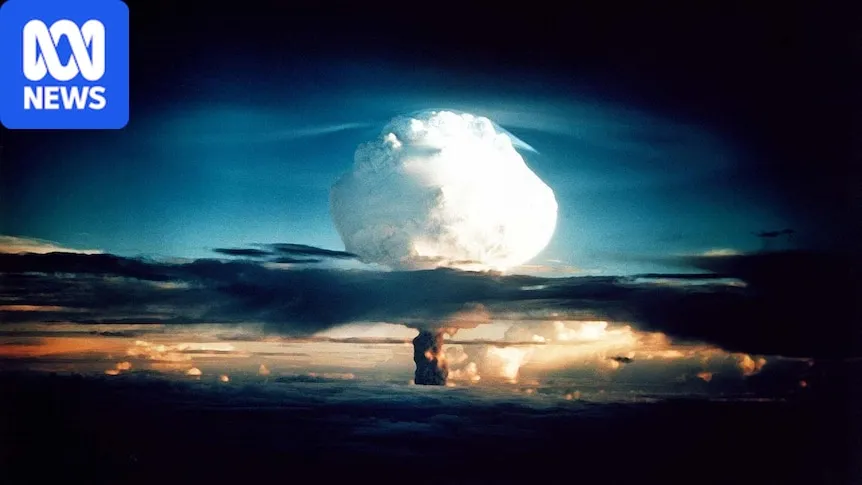
In 1952 the first full-yield test of a hydrogen bomb erupted not far from Naoero, mushroom cloud billowing above the Pacific Ocean. That first test, and many more, spread plutonium-239 and -240 around the world marking the moment Earth entered a new era of humanity known as the Anthropocene. At least that's according to a group of scientists who have spent years trying to pin down a date. Georg Schäfer, a geoanthropologist, from the Max Planck Institute said that the Anthropocene moves from the period when "agriculture, cities, and human culture developed" into an era of "industrialised humanity". "The particular strength of the Anthropocene is that it brings the many crises of the present into a single analytical frame," Mr Schäfer said. "From coral reefs dying to microplastic pollution, climate change and forever chemicals. "But while the term has been used in popular culture for more than two decades, the Anthropocene is not an official geological epoch. Crawford Lake in Canada was rejected as the "global boundary stratotype section and point" of the Anthropocene in 2024.
0 comments
No comments yet. Be the first to share your thoughts!