Same-day test helps doctors detect hidden infections in critically ill children - BBC
This story deserves to be shared
Send it to someone who'd care, or post it on your networks.
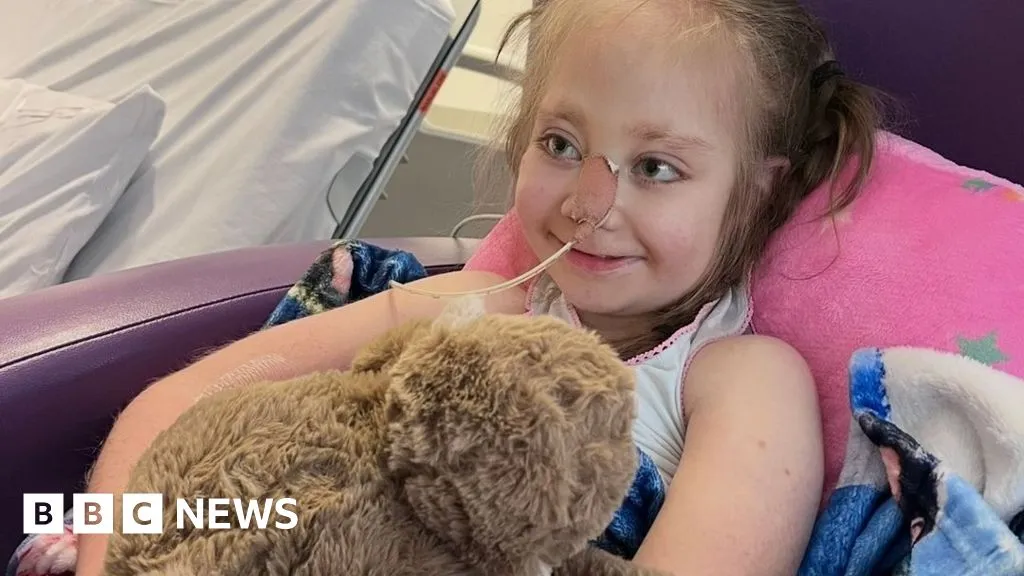
20 hours agoFergus WalshMedical editorA pioneering same-day test has been used to detect hidden and drug-resistant infections among children in intensive care. Respiratory samples from more than 100 critically ill young patients at London's Great Ormond Street Hospital (GOSH) were sent for what is known as metagenomic testing. It can identify bacteria, viruses and fungi from a single sample, which in many cases influences what doctors prescribe. Metagenomics can detect infections that standard tests miss, meaning better outcomes for some critically ill patients.'The test... saved her life' In March, 10-year-old Willow Crowther became dangerously ill with pneumonia, which triggered a seizure and multiple cardiac arrests. Willow, from Kent, was admitted to intensive care at GOSH. Her mum, Stacey Moore, was told she had a 50% chance of survival. "The consultant said... we should bring our family up to say goodbye to her. This is how critical and in how much danger she was of passing away.
This article is an excerpt. To read the full content, visit the original source. BBC
Related articles
Regina is critically short of nuclear medicine technologists, say CUPE, NDP - CBC
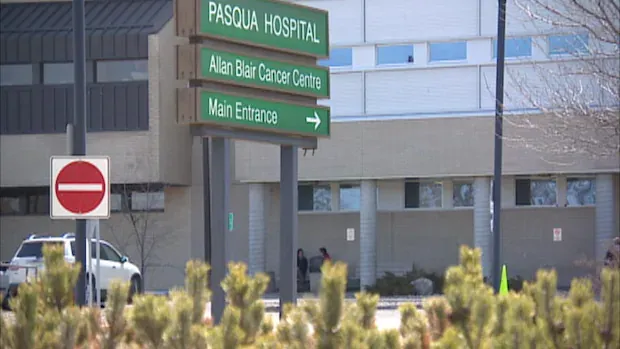
SaskatchewanRegina is desperately short of nuclear medicine technologists, a situation that is delaying critical testing of everything from cancer to heart blockages, according to the union that represents the health workers. Opposition says workers are leaving for provinces where they can make $15 more per hourListen to this articleEstimated 4 minutesThe audio version of this article is generated by AI-based technology. Mispronunciations can occur. We are working with our partners to continually review and improve the results. Saskatchewan's Opposition NDP and CUPE say nuclear medicine technologists are leaving Regina for higher pay in other provinces. (CBC News)Regina is desperately short of nuclear medicine technologists, a situation that is delaying critical testing of everything from cancer to heart blockages, according to the union that represents the health workers. “If you come to this department you will see half of this equipment sitting empty because they don’t have people to run them,” said Bashir Jalloh, president of CUPE local 5430, which represents nuclear medicine technologists in the city.

Kefah Mokbel: Can Whole-Genome Sequencing-Based ctDNA Monitoring Help Personalize Adjuvant Treatment? - Oncodaily
“Beyond Detecting Cancer Recurrence: Can Whole-Genome Sequencing-Based ctDNA Monitoring Help Personalize Adjuvant Treatment? An exciting new study published in The Oncologist highlights the clinical potential of Signatera Genome, a whole-genome sequencing (WGS)-based, tumor-informed circulating tumor DNA (ctDNA) assay, not only for detecting molecular residual disease (MRD), but also for potentially informing adjuvant treatment decisions.
0 comments
No comments yet. Be the first to share your thoughts!