RFK Jr.'s AI claims spark physician backlash as debate over medical AI intensifies - Fierce Healthcare
This story deserves to be shared
Send it to someone who'd care, or post it on your networks.
This article is an excerpt. To read the full content, visit the original source. Fierce Healthcare
Related articles
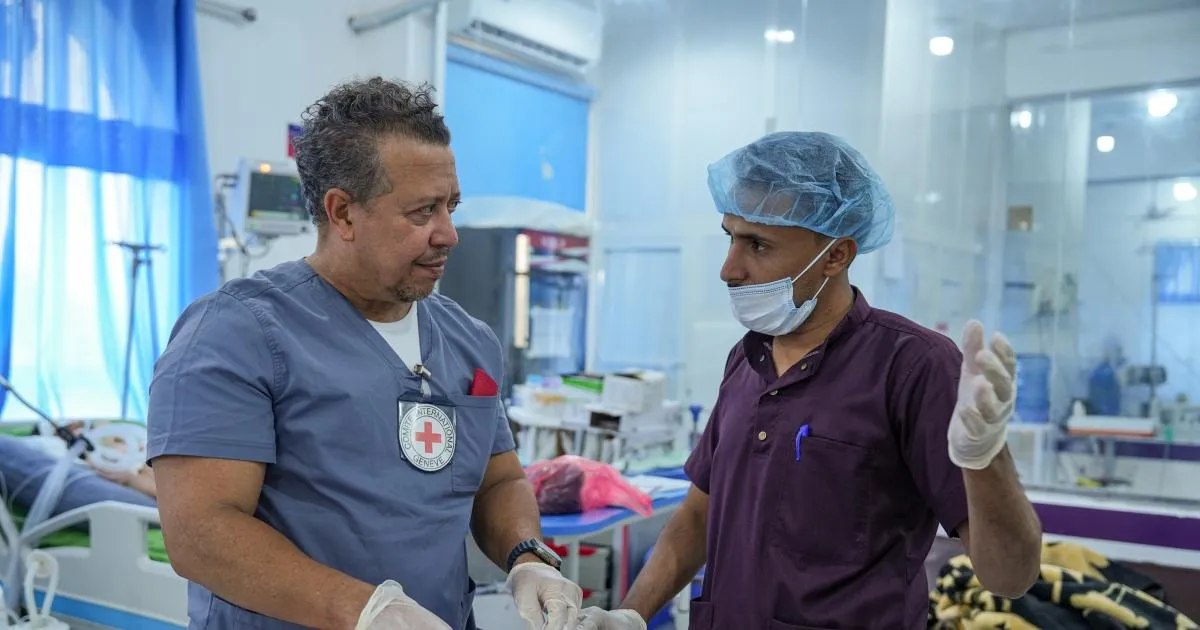
Yemen: Health system faces mounting pressure as fighting intensifies - ICRC
As fighting intensifies across parts of Yemen, hospitals are struggling to cope with growing numbers of war-wounded patients while an already fragile health system faces critical shortages of medical supplies, staff and specialized care. All front lines have witnessed an unprecedented surge in weapon-wounded cases; Marib, Taiz and the Red Sea Coast have some of the highest casualty burdens. Hospitals and health facilities are overwhelmed. Some front-line facilities recorded over 700 admissions during a single week. Mass casualty influxes are increasingly frequent.
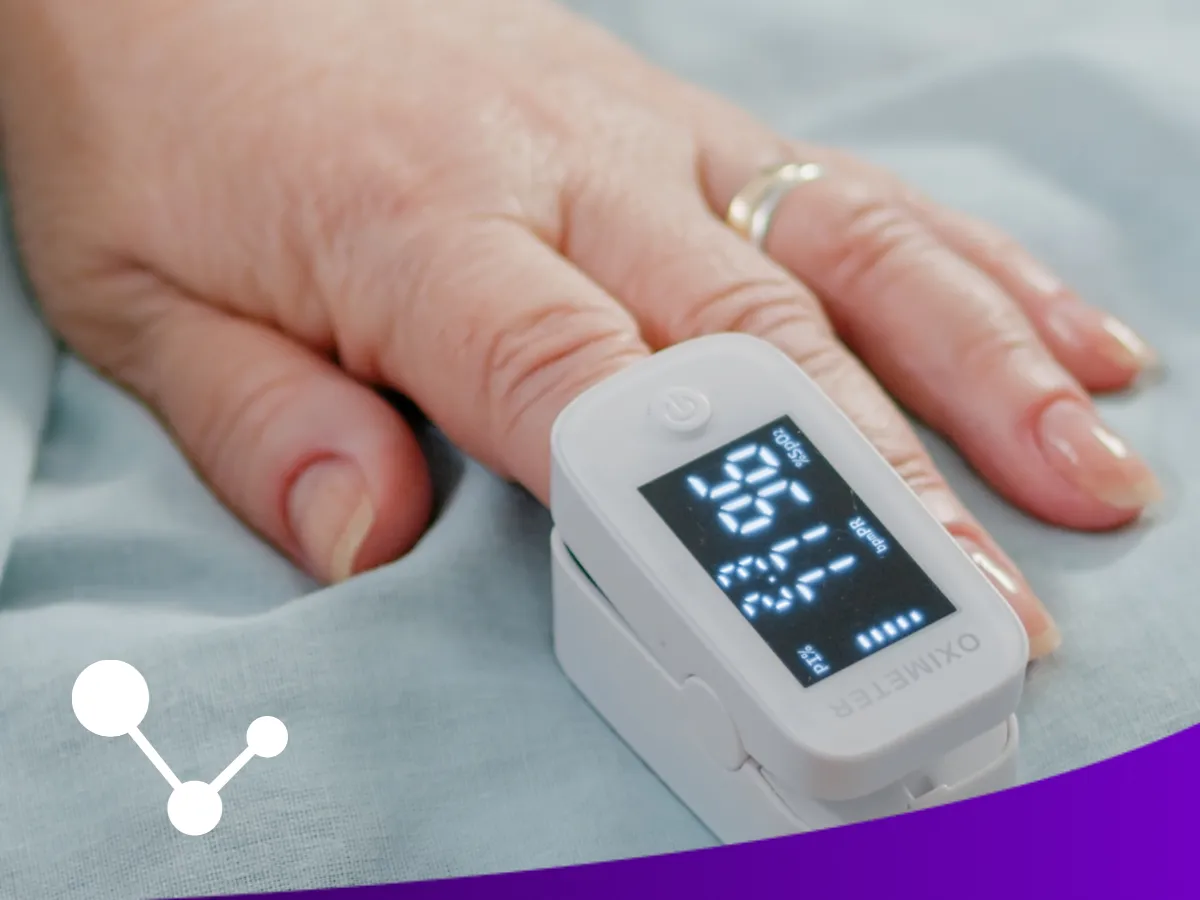
JMIR News: Informed Consent’s Redesign for AI-Related Trials, an Autonomous Oxygenation Device, and the Physician-Led Campaign for Canada’s Safe Social Media Act | Newswise - Newswise
(Toronto, October 16, 2026) — JMIR Publications this week released three News and Perspectives features on the latest digital health news: stories on how informed consent must be rethought for clinical trials involving AI; Canada’s proposed Safe Social Media Act and the Canadian Medical Association’s support; and a promising new autonomous oxygen titration device for health care. Designing Informed Consent for AI TrialsIn "Informed Consent in the AI Age: Why and How Documentation Must Change", JMIR Correspondent and researcher Hankun Su argues that traditional informed consent frameworks, which tend to assume that risks to patient safety are static and that clinicians will be able to fill in any gaps in understanding, are inadequate for clinical trials that use AI. “Documents must anticipate questions clinicians cannot answer and provide accessible responses within the text itself,” he writes. Su and his colleagues developed an informed consent framework for AI-related clinical trials that mandates transparency and disclosure, uses tiered standards based on risk, and employs dynamic consent mechanisms—one of many possible frameworks.

Physician recruitment reaches five-year high: N.S. health officials - CTV News
AtlanticNova ScotiaNew BrunswickPrince Edward Island Newfoundland and LabradorCalgaryLethbridgeKitchenerGuelphNorthern OntarioSudburyNorth BaySault Ste. MarieTimminsOttawaKingstonBrockvillePembrokeReginaYorktonSaskatoonPrince AlbertTorontoWatchWeatherPeelHamiltonDurhamYorkHaltonNiagaraQueen's ParkToronto City HallIn PicturesVancouverVancouver IslandCanadaLocal SpotlightRoyal FamilyPoliticsNanosPower PlayQuestion PeriodFederal Election 2025WorldMideast ConflictRussia-Ukraine WarWatchLatestCaptured on CameraPoliticsLifestyleConsumerHealthExplainedEntertainmentTechnologyDeception DecodedAutosEnvironmentBusinessInflationReal EstateAutos
0 comments
No comments yet. Be the first to share your thoughts!