Public Health Sudbury & Districts issues blastomycosis warning for fall - CTV News
This story deserves to be shared
Send it to someone who'd care, or post it on your networks.
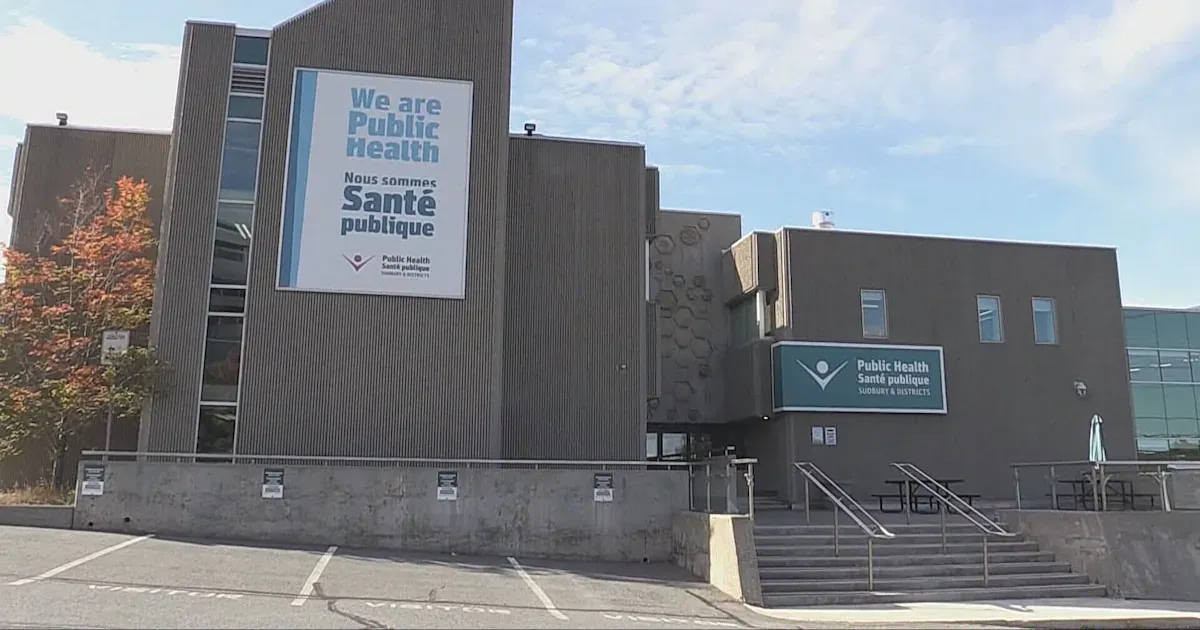
ADVERTISEMENTNorthern Ontario WatchPublic Health Sudbury & Districts is warning the region about blastomycosis, a potentially fatal fungal lung infection found in moist, acidic soils and rotting wood. Symptoms include persistent cough, low-grade fever and joint pain. So far this year, six cases have been reported in the area. October 06, 2026 at 6:42p.m. EDT
This article is an excerpt. To read the full content, visit the original source. CTV News
Related articles

Public Health Sudbury & Districts warns public of blastomycosis this autumn - CBC
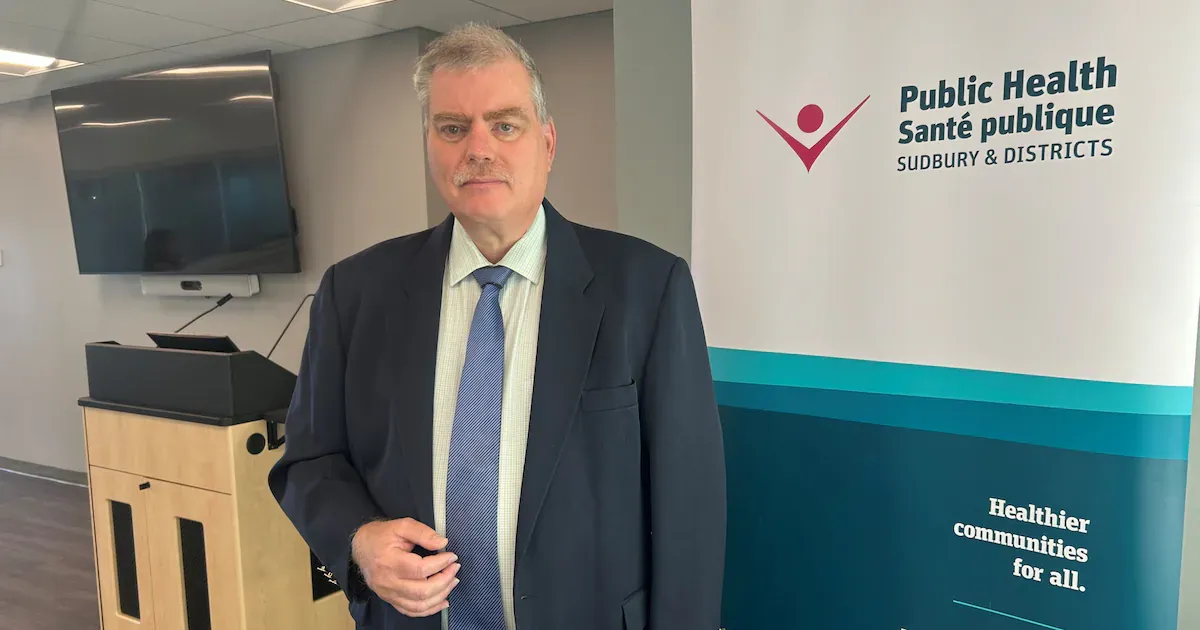
SudburyPublic Health Sudbury & Districts is warning the public this fall about the risk of blastomycosis — a rare but possibly serious lung infection. Rare but serious lung infection contracted from disturbed soil, doctor saysGabrielle Huston · CBC News · Posted: Oct 08, 2026 4:01 PM EDT | Last Updated: October 8Listen to this articleEstimated 4 minutesThe audio version of this article is generated by AI-based technology. Mispronunciations can occur. We are working with our partners to continually review and improve the results. Aerial shot of autumn colours of northern Ontario forest. (Graham Taylor Photography/Shutterstock)Public Health Sudbury & Districts (PHSD) is warning the public this autumn about the risk of blastomycosis — a rare but possibly serious lung infection. Blastomycosis is contracted by breathing in spores from a fungus called blastomyces, which lives in the soil, as well as fallen leaves and logs, said Dr. Emily Groot, PHSD's associate medical officer of health. "It's common in northern Ontario, especially northwestern Ontario and Manitoulin Island," Groot said. "That fungus prefers damp soil near waterways and it likes acidic soil.
Blastomycosis: what residents need to know - CTV News
AtlanticNova ScotiaNew BrunswickPrince Edward Island Newfoundland and LabradorCalgaryLethbridgeKitchenerGuelphNorthern OntarioSudburyNorth BaySault Ste. MarieTimminsOttawaKingstonBrockvillePembrokeReginaYorktonSaskatoonPrince AlbertTorontoWatchWeatherPeelHamiltonDurhamYorkHaltonNiagaraQueen's ParkToronto City HallIn PicturesVancouverVancouver IslandCanadaLocal SpotlightRoyal FamilyPoliticsNanosPower PlayQuestion PeriodFederal Election 2025WorldMideast ConflictRussia-Ukraine WarWatchLatestCaptured on CameraPoliticsLifestyleConsumerHealthExplainedEntertainmentTechnologyDeception DecodedAutosEnvironmentBusinessInflationReal EstateAutos
Nurturing healthy districts in Papua New Guinea - World Bank Group

Continuous glucose monitors help type 2 diabetes patients spend 5 more hours a day in healthy blood sugar range - Medical Xpress
Continuous glucose monitors (CGMs) could transform diabetes management for millions of Americans with type 2 diabetes who don't take insulin, according to findings published in the New England Journal of Medicine. The clinical trial found that adults using CGMs spent approximately five additional hours each day within their target blood sugar range compared with those receiving routine care. Nearly twice as many CGM users also achieved an A1c level below 7%, a common treatment goal for people with diabetes.
Wearing headphones during surgery may reduce nausea and vomiting afterward - Medical Xpress
Patients who wore noise-canceling headphones during minimally invasive gynecological surgery were significantly less likely to experience postoperative nausea and vomiting (PONV), suggest findings from a randomized clinical trial presented at the Anesthesiology 2026 annual meeting.

Kefah Mokbel: Can Whole-Genome Sequencing-Based ctDNA Monitoring Help Personalize Adjuvant Treatment? - Oncodaily
“Beyond Detecting Cancer Recurrence: Can Whole-Genome Sequencing-Based ctDNA Monitoring Help Personalize Adjuvant Treatment? An exciting new study published in The Oncologist highlights the clinical potential of Signatera Genome, a whole-genome sequencing (WGS)-based, tumor-informed circulating tumor DNA (ctDNA) assay, not only for detecting molecular residual disease (MRD), but also for potentially informing adjuvant treatment decisions.
0 comments
No comments yet. Be the first to share your thoughts!