Public Health Needs MAHA - The Atlantic
This story deserves to be shared
Send it to someone who'd care, or post it on your networks.
This article is an excerpt. To read the full content, visit the original source. The Atlantic
Related articles
MAHA Gone Mild - The Atlantic
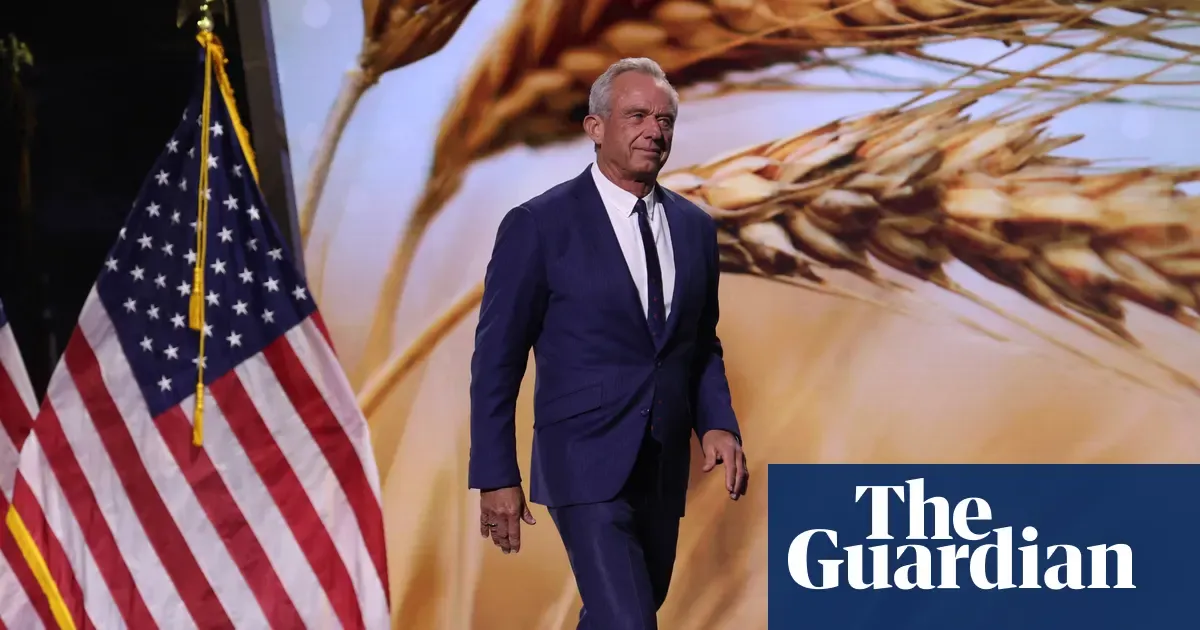
RFK Jr outlines expansive vision for collecting US health data at Maha event - The Guardian
Robert F Kennedy Jr laid out an expansive vision for collecting, sharing and analyzing US health information at a Maha event hosted by a close ally and outspoken anti-vaccine activist. Medical and lifestyle data, from doctor’s visits to exercise, should be connected and shared with the government and independent researchers, where it can be searched by AI – including potential links between vaccines and health outcomes including autism and mortality, suggested Kennedy, the secretary of the US Department of Health and Human Services (HHS) and a longtime vaccine skeptic. “We need to use America’s health data to determine whether the food we eat, the chemicals we encounter, the vaccines that we’re administering, the other environmental and lifestyle exposures are contributing in one way or another to the chronic disease epidemic,” Kennedy said at an event with the Maha Institute on Monday, with about two dozen people tuning into the live stream. The Maha Institute is headed by Mark Gorton, who called himself “the boldest anti-vaxxer in the anti-vax conference” two weeks ago.

Bioengineer.org | Switching HIV drugs or adding zoledronic acid rebuilds bone lost to tenofovir - European AIDS Treatment Group
Bioengineer.org news storyFor millions of people living with HIV, antiretroviral therapy has transformed a once-fatal infection into a manageable chronic condition. Yet the very drugs that suppress the virus can carry quiet costs, and one of the most insidious is bone loss. Tenofovir disoproxil fumarate, or TDF, has been a cornerstone of HIV treatment worldwide for two decades, prized for its potency, durability, and low cost. But a growing body of evidence has linked TDF exposure to measurable reductions in bone mineral density, raising an increasingly urgent clinical question: once bone has been lost on a TDF-based regimen, can it be recovered? A new prospective cohort study, published in BMC Infectious Diseases, offers some of the most detailed longitudinal evidence to date that the answer, for many patients, is yes. The research team enrolled 223 virologically suppressed men living with HIV who had low bone mineral density while taking TDF-based antiretroviral therapy.
0 comments
No comments yet. Be the first to share your thoughts!