Psychosocial dimensions of immersive learning: a study of VR-enabled science education for children through the lens of self-determination theory - Nature
This story deserves to be shared
Send it to someone who'd care, or post it on your networks.
This article is an excerpt. To read the full content, visit the original source. Nature
Related articles
French urban tree dataset with age, dimensions and species - Nature
We’re sharing this article early to provide faster access to peer-reviewed, accepted research. It is citable and carries a permanent DOI. This version is subject to further edits and will be replaced automatically by the final Version of Record. All legal disclaimers apply. AbstractUrban trees deliver ecosystem services and generate environmental pressures that evolve over a lifespan of decades to centuries. Quantifying these effects over time relies on relationships between tree age and dimensions, yet most urban tree datasets record dimensions without age. This dataset presents 464,705 individual urban trees in France, compiled by harmonizing 16 municipal inventories published as open data by local authorities. Each record reports the contributing inventory, harmonized genus and species, the original taxonomic entries, diameter at breast height, height, estimated age, a location category, and coordinates, though completeness varies across records and inventories. Age is derived from planting dates recorded by the data producers rather than inferred from allometric models.
Scientists Find a ‘Ghostly Green’ Star, and That’s Not the Only Crazy Color - CNET
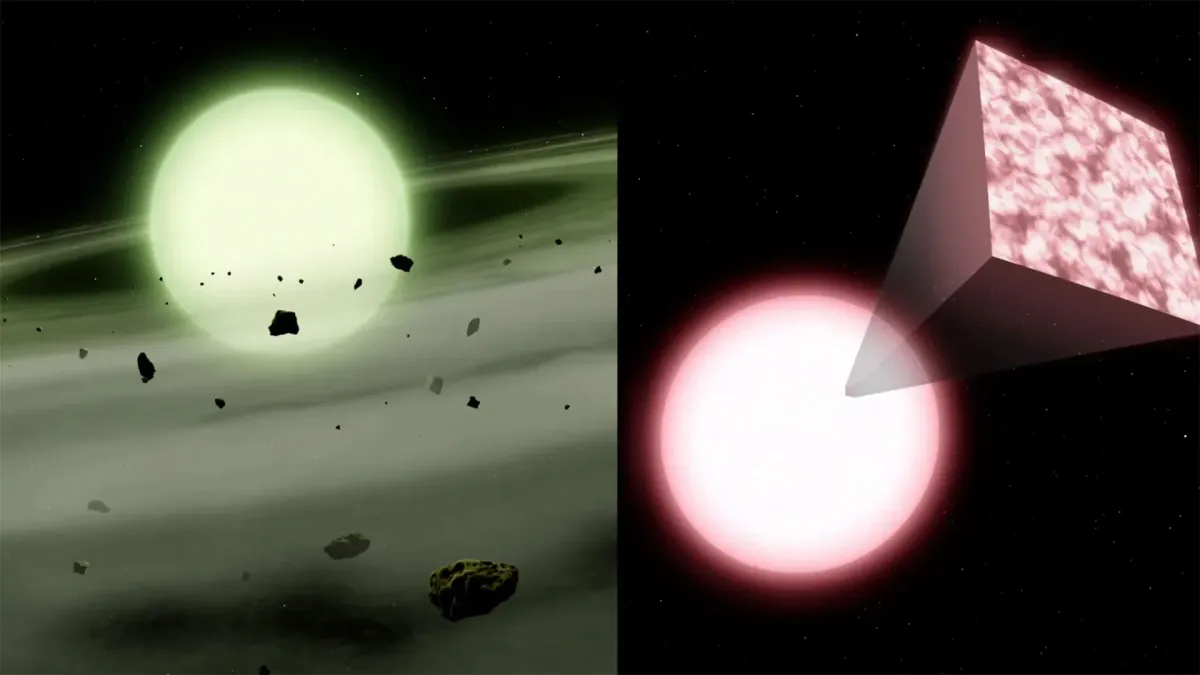
High school science class taught us that stars come in very specific colors. You have cooler stars that are red, orange and yellow. Then you have hotter, larger stars that are white and blue. It turns out that much like the wind in the movie Pocahontas, stars also come in all sorts of colors, including green and pink. The discovery was outlined in a study published this month in RAS Techniques and Instruments. According to the lead author, Mark Hollands of Warwick University’s astronomy and astrophysics group, the humble white dwarf star is the centerpiece of this chromatic curiosity.
Close social bonds help wild jackdaws hold feeding spots but come with waiting costs - Phys.org
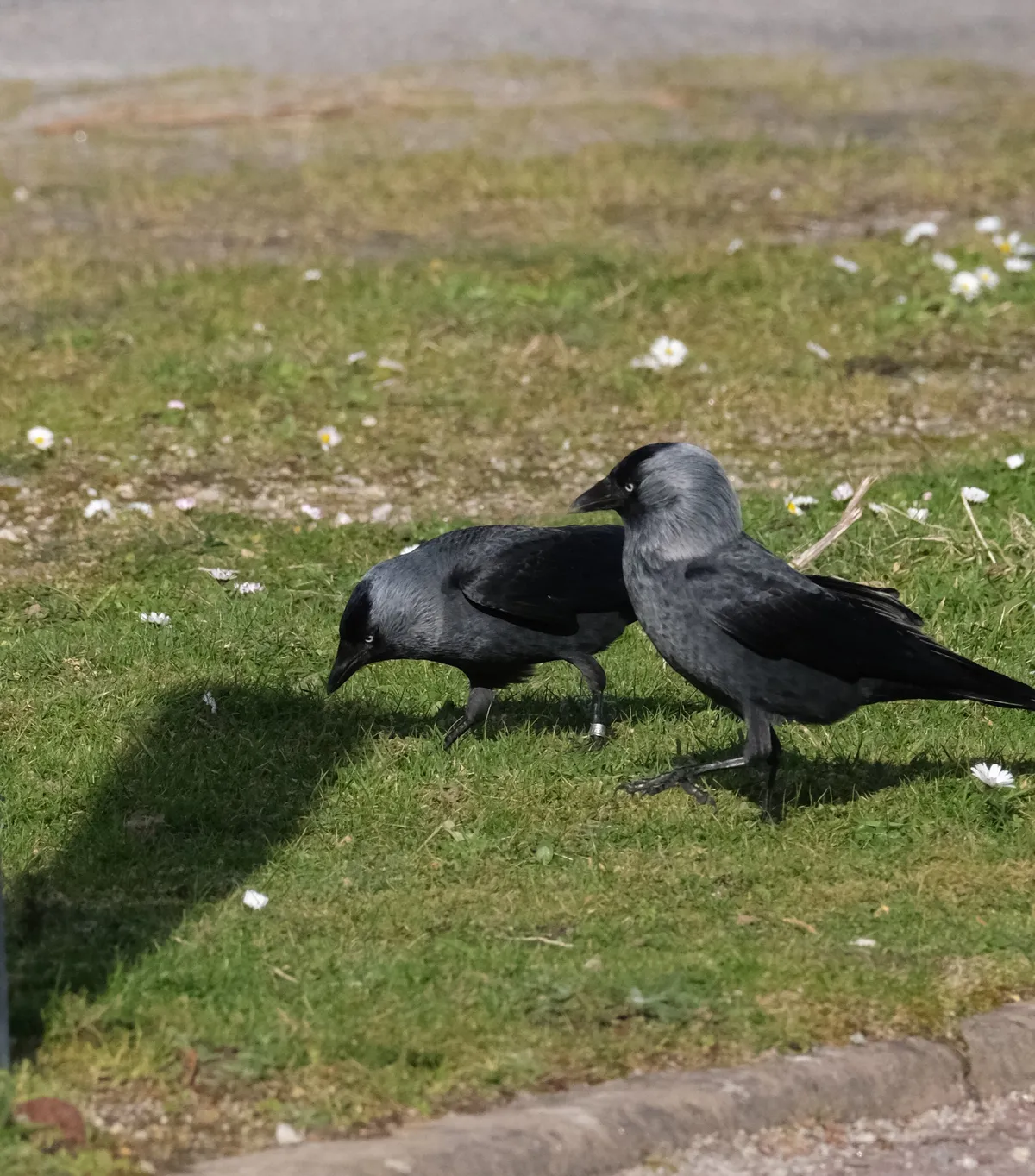
A pair of jackdaws foraging together. Credit: Céline Giorgetti. Close social relationships are known to contribute to the survival of many animals, including humans. Maintaining social bonds over time, however, can also require effort and sacrifices.
Humans may not have the heart for space travel to Mars - The Brighter Side of News
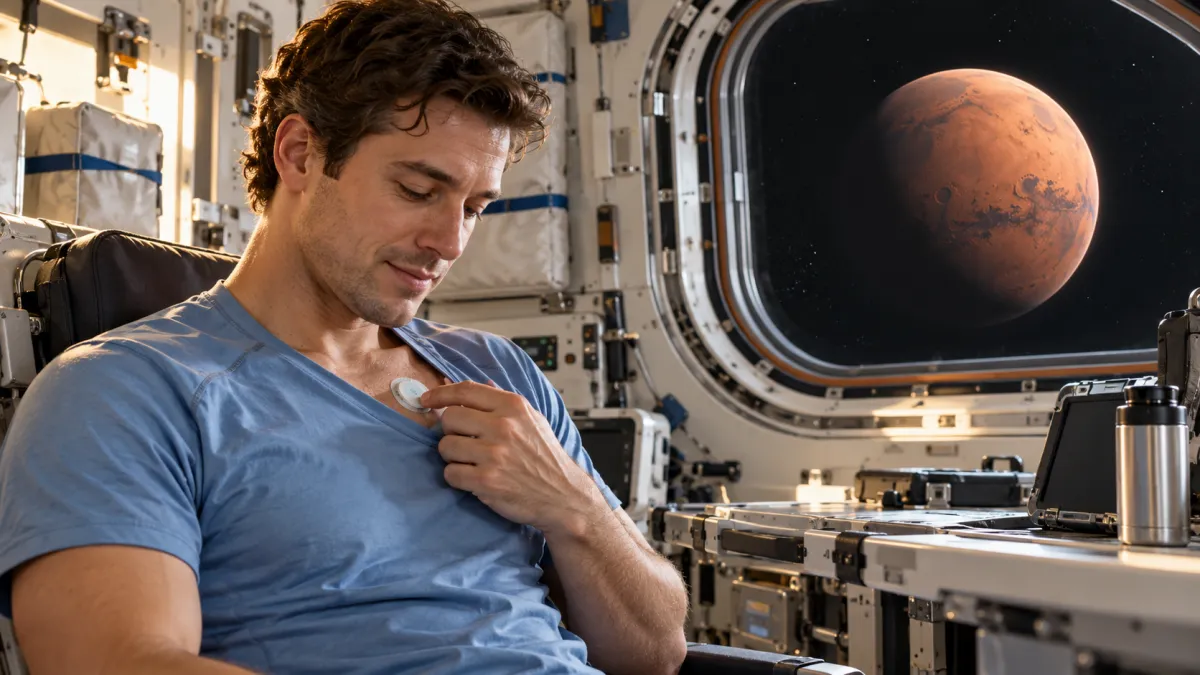
Male rats exposed to simulated cosmic radiation had roughly twice as much collagen around heart blood vessels at long-term follow-up. Simulated weightlessness produced persistent changes in immune signaling, but combining the two stressors did not consistently worsen their effects. The findings raise questions for astronaut health, while small tissue samples, preliminary DNA results and compressed radiation delivery limit direct human predictions. Heart tissue examined nearly a year after simulated cosmic-radiation exposure carried a warning for long-distance space exploration. Male rats had accumulated roughly twice as much collagen around small coronary blood vessels as unexposed controls. The finding suggests that assessing radiation hazards requires attention to what happens long after exposure ends. The experiments were conducted on Earth, not during astronaut missions. They provide evidence about biological responses in a particular rat model, while leaving important questions about human risk unanswered. John Baker, PhD, lead researcher on the study and a professor of surgery at MCW.
0 comments
No comments yet. Be the first to share your thoughts!