Perimenopause Can Start In Your 30s. This Is the Sneaky First Sign That Most Women Miss - Women's Health
This story deserves to be shared
Send it to someone who'd care, or post it on your networks.
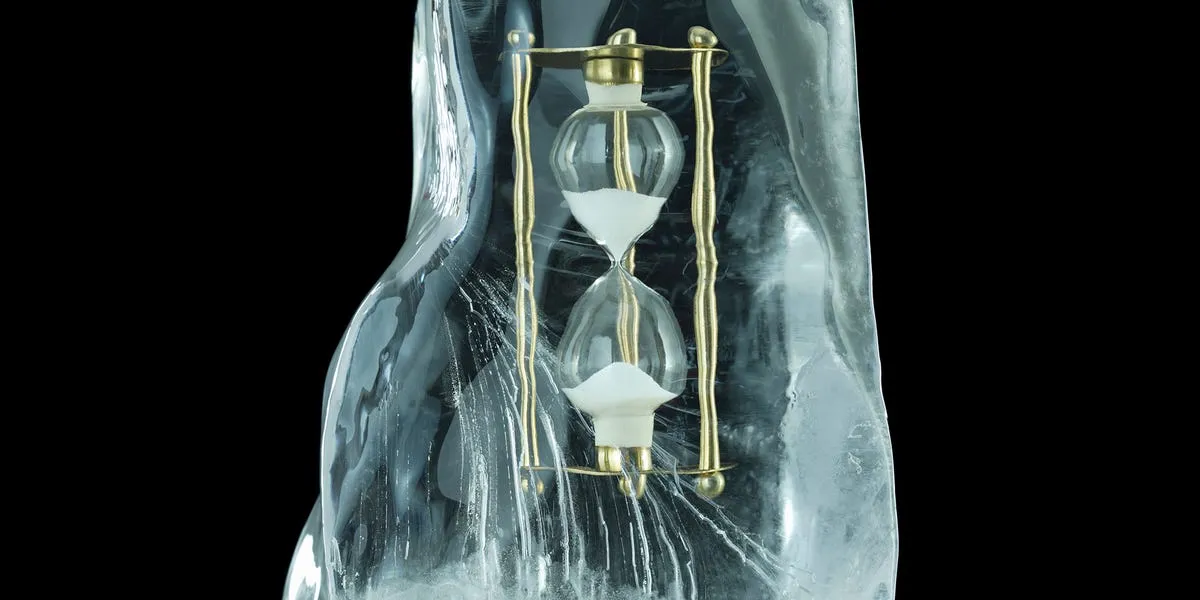
When Fiona Byrne entered her 30s, her body started to change. Despite never experiencing acne as a teen, she suddenly had cystic pimples at 32. Then, a few years later, by her mid-30s, her nails became unusually brittle, she started getting dizzy on escalators, her skin itched, and her periods fell closer together. Around 40, she was waking up at 3 a.m. with night sweats, and her hair, which had always been silky, was inexplicably dry. At that point, she started doing some research to connect the dots of this growing constellation of symptoms, and when she finally met with a menopause expert, she got her answer: she was in perimenopause. “It had been years and years of weird stuff before I had any clue that it was hormone-related. If I knew in my late 30s, I would have been on hormone replacement therapy (HRT) immediately,” says Byrne, now 49—and still in perimenopause. Most women hit menopause around age 51 or 52, says Mariya Rozenfeld, DO, an ob-gyn and Menopause Society Certified Practitioner (MSCP)—the gold standard certification for physicians who treat patients with menopause—at NYU Langone.
This article is an excerpt. To read the full content, visit the original source. Women's Health
Related articles

A New Injection Makes Fat Cells Self-Destruct, And Might Prevent GLP-1 Weight Regain - ScienceAlert
The new treatment kills off a sub-group of fat cells. (Jian Fan/iStockphoto/Getty Images) Early clinical trials into a new fat reduction treatment have reported promising results, and the treatment takes a more unusual approach: Rather than shrinking fat cells, as most weight loss strategies do, it safely and naturally kills them off. The drug here is CBL-514, which is administered via injection. As well as proving effective at reducing subcutaneous fat (just below the skin), there's evidence it can also reduce visceral fat (stored deeper around the organs). According to the team behind the trials, CBL-514 and its unconventional strategy have the potential to reduce fat in key areas of the body – with further benefits that come with weight loss likely to follow. "We expect that patients will be pleased by the cosmetic effects, such as the flatter stomach that can come with subcutaneous fat loss," says endocrinologist Timothy Garvey, from the University of Alabama at Birmingham, who headed up the trial.
0 comments
No comments yet. Be the first to share your thoughts!