Opinion | Health Savings Accounts Can Curb Rising Costs - WSJ
This story deserves to be shared
Send it to someone who'd care, or post it on your networks.
This article is an excerpt. To read the full content, visit the original source. WSJ
Related articles
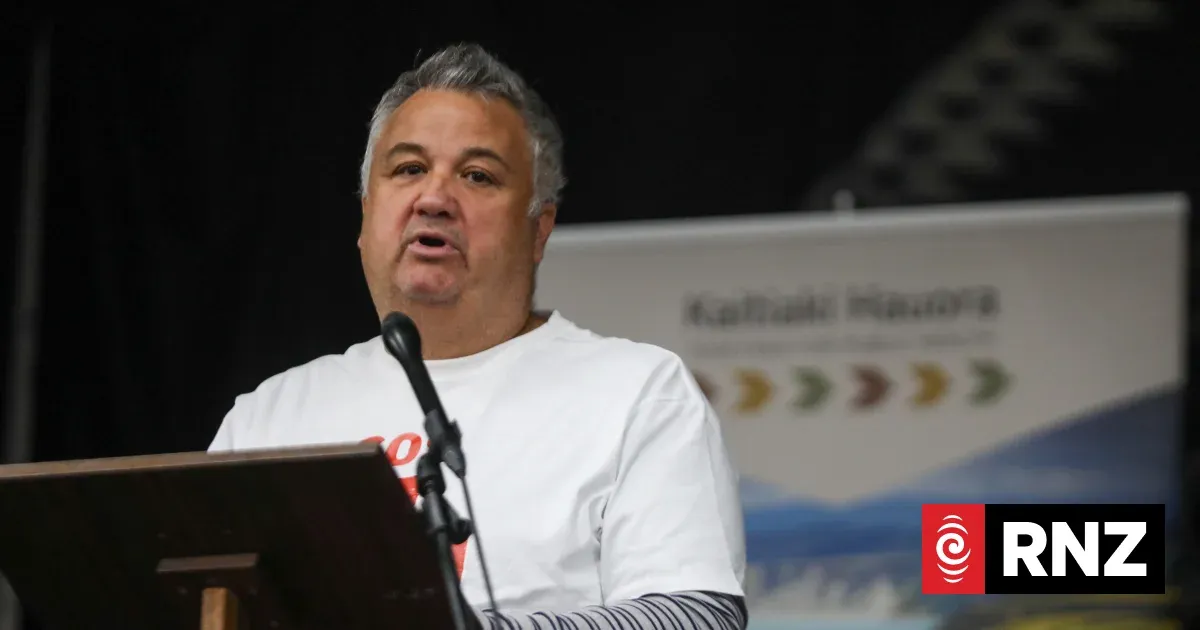
Healthcare 'roady' seeks first-hand accounts from concerned communities - RNZ
An advocate is concerned local communities are unable to access healthcare due to growing pressure on the public system. Kaitiaki Hauora - "guardians of health" in te reo Māori - will host the first public meeting in the Save Our Public Healthcare Roady on Sunday. Malcolm Mulholland and David Galler will travel from Bluff to Cape Reinga between 4 and 17 October. The tour will begin in Invercargill at 4.30pm on Sunday before heading to Gore, Dunedin, Timaru, Christchurch, Westport, Nelson, Lower Hutt, Masterton, New Plymouth, Whanganui, Palmerston North, Napier, Gisborne, Tauranga, Whakatāne, Taupō, Rotorua, Tokoroa, Hamilton, Thames, Auckland, Dargaville, Whangārei and Kaitaia. Mulholland told RNZ he hoped to hear from people about their local hospitals and access to healthcare, as well as what was happening to health services in their communities. "There's been no shortage of concern around what is happening at the moment, and we want to hear first-hand what the experiences have been of different communities around the country," he said.
Auditor General Delivers Report to the Public Accounts Committee on Audit of Long Term Care Facilities - Government of Newfoundland and Labrador

Bioengineer.org | Switching HIV drugs or adding zoledronic acid rebuilds bone lost to tenofovir - European AIDS Treatment Group
Bioengineer.org news storyFor millions of people living with HIV, antiretroviral therapy has transformed a once-fatal infection into a manageable chronic condition. Yet the very drugs that suppress the virus can carry quiet costs, and one of the most insidious is bone loss. Tenofovir disoproxil fumarate, or TDF, has been a cornerstone of HIV treatment worldwide for two decades, prized for its potency, durability, and low cost. But a growing body of evidence has linked TDF exposure to measurable reductions in bone mineral density, raising an increasingly urgent clinical question: once bone has been lost on a TDF-based regimen, can it be recovered? A new prospective cohort study, published in BMC Infectious Diseases, offers some of the most detailed longitudinal evidence to date that the answer, for many patients, is yes. The research team enrolled 223 virologically suppressed men living with HIV who had low bone mineral density while taking TDF-based antiretroviral therapy.
0 comments
No comments yet. Be the first to share your thoughts!