Nutrition experts think they've solved vegan cheese's biggest flaw - BBC Science Focus Magazine
This story deserves to be shared
Send it to someone who'd care, or post it on your networks.
This article is an excerpt. To read the full content, visit the original source. BBC Science Focus Magazine
Related articles
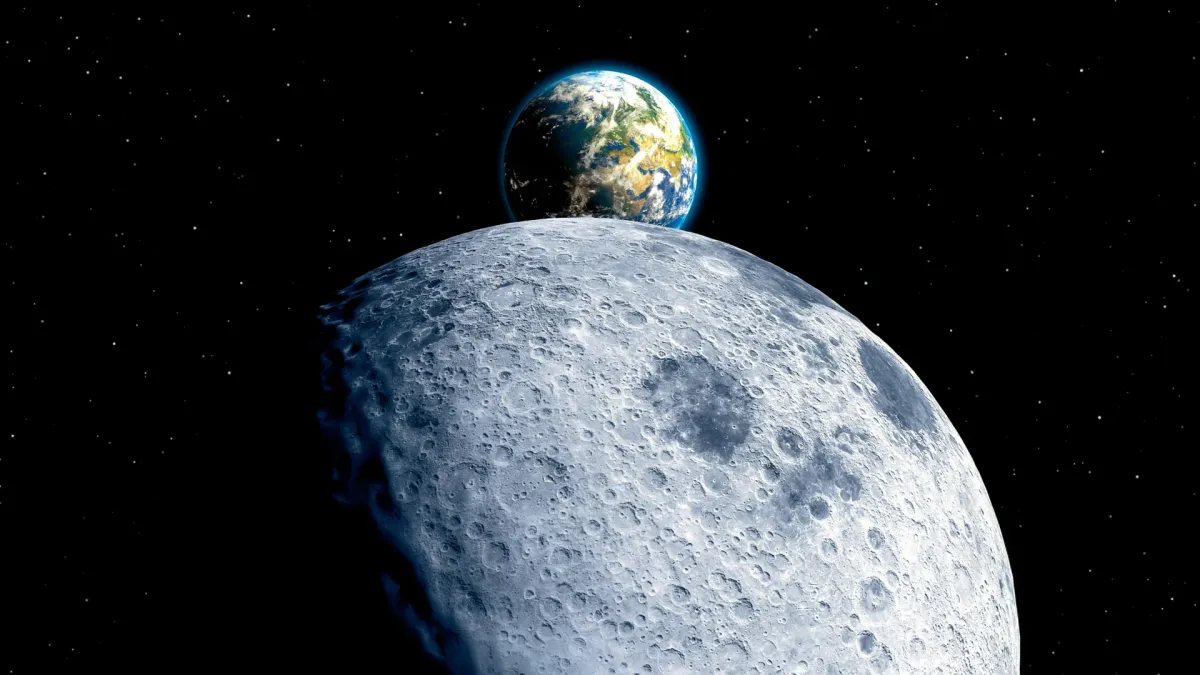
Scientists may have finally solved the mystery of the Moon’s two faces - Science Daily
Scientists investigating why the Moon's two sides look so different have uncovered new evidence that could help explain this long-standing mystery. A research team led by Professor Hejiu Hui of Nanjing University analyzed lunar rocks collected by China's Chang'e-6 (CE6) mission and found clues suggesting that enormous movements of molten rock shaped the Moon billions of years ago. The researchers examined the chemical compositions of three types of lunar rock: anorthosites, Mg-suite rocks, and mare basalts. They compared these samples from the Moon's far side with material collected from the near side during the Apollo and Chang'e-5 missions. Their findings suggest that the Moon's striking differences emerged through large-scale heat-driven circulation within its ancient lunar magma ocean (LMO), after the Moon became tidally locked to Earth.
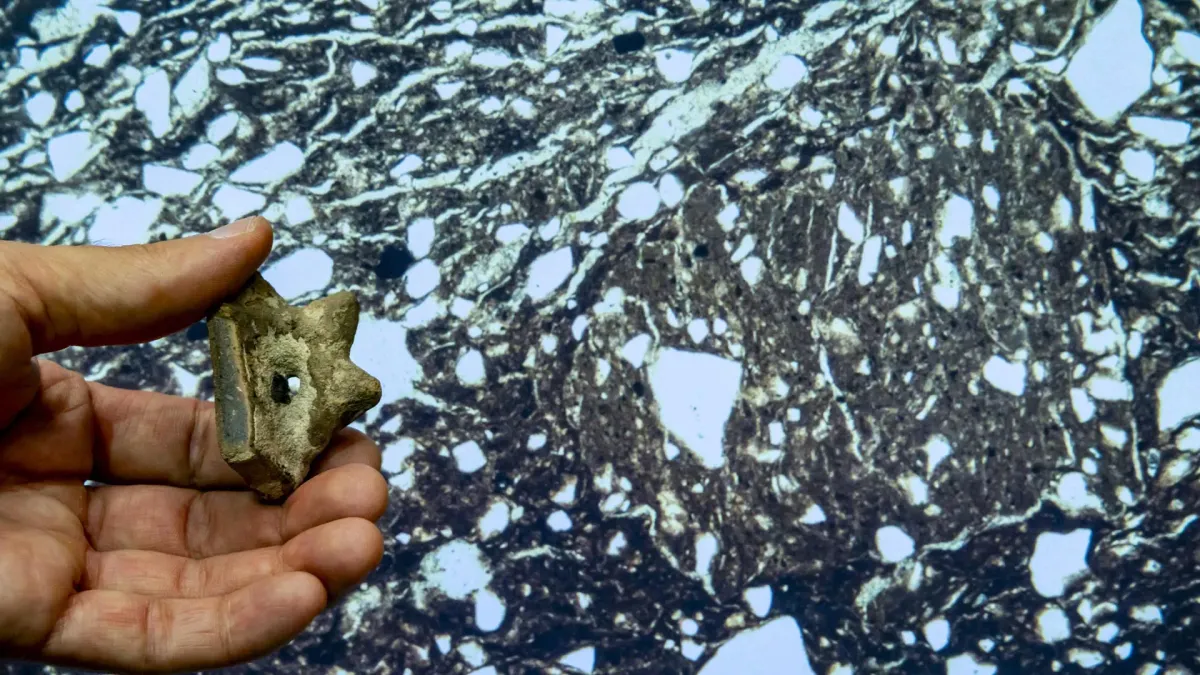
Archaeologists may have finally solved a 100-year-old Florida mystery - Science Daily
About a century ago, archaeologists excavating pottery fragments around Tampa Bay encountered something puzzling. Some of the pieces carried decorations that looked strikingly similar to pottery found hundreds of miles farther north. On appearance alone, the fragments seemed connected to the Mississippian culture, which emerged more than 1,000 years ago and reshaped social, economic and political life across much of southeastern North America. For decades, however, maps of the Mississippian world generally left out peninsular Florida. The Tampa Bay pottery suggested that the region's relationship with that culture may have been more complicated.
Mars shelter problem can be solved with engineered yeast: paper - South China Morning Post

SpaceX Sent 6,300 Pounds to the Space Station. The Strangest Cargo Was Grown in a Lab - Inc.com
The spacecraft delivered materials and equipment for new research studies to the station.

Ancient mud reveals a surprising secret about Greenland’s ice - Earth.com
Mud from a fjord shows an Atlantic air pattern brought wetter, colder spells to southern Greenland, a clue to how its ice may fare. Greenland’s ice is shrinking as the planet warms. But in the island’s southwest, rainfall and snowfall have been influenced by the same North Atlantic air-pressure pattern for at least 5,000 years. When that pattern tipped one way, the region turned wetter and colder. The record comes from mud on the floor of a Greenland fjord, and it suggests snowfall, not only temperature, shaped how the area’s ice grew and shrank. It doesn’t yet show how glaciers there will respond to the warming ahead. Johan Faust, a researcher at MARUM, the Center for Marine Environmental Sciences at the University of Bremen in Germany, led the work with colleagues in Germany, Norway, Denmark and Canada. A seesaw in the airThe pattern is called the North Atlantic Oscillation. It’s the difference in air pressure between a low that sits near Iceland and a high near the Azores, and it’s strongest in winter. When that difference is large, the pattern is in its positive phase. Northwestern Europe and southwestern Greenland both get more rain and snow.

Simulations explore nuclear mitigation of asteroid threats - Phys.org
Lawrence Livermore National Laboratory researcher Isaiah Santistevan led the development of three-dimensional simulations exploring how a nuclear device could deflect or disrupt an asteroid threatening Earth. Credit: Blaise Douros/LLNL Lawrence Livermore National Laboratory (LLNL) researchers are developing three-dimensional simulations to examine how a nuclear device could be used to deflect or potentially disrupt an asteroid threatening Earth.
0 comments
No comments yet. Be the first to share your thoughts!