Nuclear war and malicious use of AI threaten end of humanity by 2100, says Lancet assessment - The Guardian
This story deserves to be shared
Send it to someone who'd care, or post it on your networks.

Humans could become extinct by the year 2100 due to malicious use of AI or nuclear conflict, according to a new global risk assessment. They top a list of 17 major threats to human health over the next 75 years, which also includes cuts to aid spending by wealthy countries, the climate crisis and childhood malnutrition. The experts behind The Lancet Commission on 21st Century Global Threats to Health said all the threats interact, meaning they must be addressed together – but stressed that there was “a realistic route to act” on each. “Decisions made by leaders today will shape the health and wellbeing of the next generation,” said Prof Christopher Murray, commission co-chair and the director of the Institute for Health Metrics and Evaluation, University of Washington. To create its list, the commission modelled how many years in good health might be lost due to sickness, disability or early deaths due to each threat, based on current trajectories – a measure known as disability-adjusted life years (Dalys).
This article is an excerpt. To read the full content, visit the original source. The Guardian
Related articles
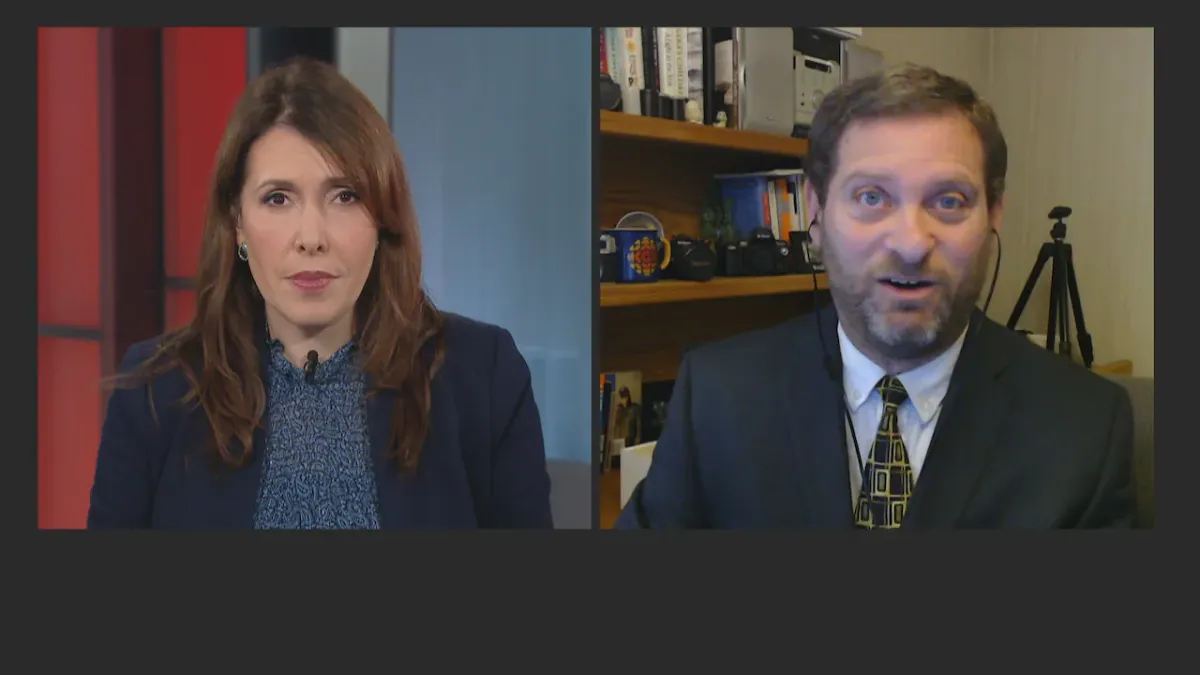
Tech analyst Carmi Levy on Lancet study saying social media must be treated as public health concern - CBC
Skip to Main ContentAccessibility HelpMenuCBC GemCBC ListenSearchQuick LinksNewsSportsRadioMusicListen LiveTVWatchnewsTop StoriesLocalClimateWorldCanadaPoliticsIndigenousBusinessThe NationalHealthEntertainmentScienceCBC News InvestigatesDisability LifeGo PublicAbout CBC NewsBeing Black in CanadaVideoTech analyst Carmi Levy on Lancet study saying social media must be treated as public health concern | CBC.ca LoadedTech analyst Carmi Levy on Lancet study saying social media must be treated as public health concernOctober 4|Duration 8:13October 4NewsDuration 8:13closed captionGet the latest on CBCNews.ca, the CBC News App, and CBC News Network for breaking news and analysis. Related StoriesNaomi Klein on Carney, trade war and 'end times' - TranscriptIs AI inevitable?

Bioengineer.org | Viral blips during HIV therapy are common and rarely signal treatment failure, Swedish study finds - European AIDS Treatment Group
Bioengineer.org news storyFor people living with HIV, modern antiretroviral therapy can suppress the virus to levels below what standard laboratory tests can detect. Yet some patients on long-term treatment experience a curious phenomenon: a single test result showing a small, transient amount of virus in the blood, followed by an immediate return to undetectable levels. These events, known as viral blips, have puzzled clinicians and researchers for years, raising questions about whether they represent harmless statistical noise, brief bursts of viral production from hidden reservoirs, or early warnings of impending treatment failure. A new nationwide Swedish study, published in BMC Infectious Diseases, offers one of the most comprehensive answers to date. Drawing on the Swedish national InfCareHIV cohort, researchers analyzed data from 4,210 treatment-naïve adults who began antiretroviral therapy from 1 January 2007 onward, with follow-up data extracted through 30 September 2020. The median observation time was 5.5 years, with some individuals followed for as long as 13.7 years.
0 comments
No comments yet. Be the first to share your thoughts!