North Bay health, police staff trained to spot abuse signs - CTV News
This story deserves to be shared
Send it to someone who'd care, or post it on your networks.

ADVERTISEMENTNorthern Ontario WatchThe Children's Aid Society of Nipissing and Parry Sound and the Turtle's Nest Child and Youth Advocacy Centre held training in North Bay on recognizing sentinel injuries in infants as early warning signs of abuse. October 01, 2026 at 5:12p.m. EDT
This article is an excerpt. To read the full content, visit the original source. CTV News
Related articles
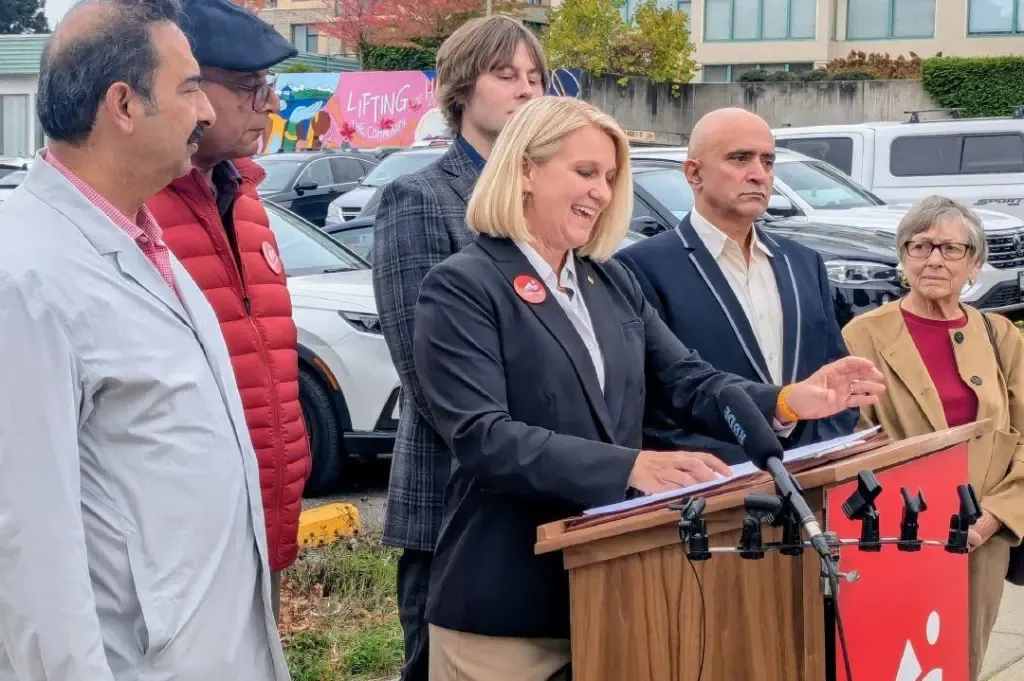
CentreBC health plans include more nurse practitioners, internationally trained doctors - Chilliwack Progress
CentreBC leader Elenore Sturko – party candidate for Surrey South – made a brief stop in White Rock this morning (Tuesday, Oct. 13), near Peace Arch Hospital’s emergency room, to announce her party’s plan to make health care more accessible. “Too many British Columbians are struggling to access health care, waiting to be attached to a family doctor, waiting for a diagnosis, or waiting for surgery,” Sturko said.

Bioengineer.org | Switching HIV drugs or adding zoledronic acid rebuilds bone lost to tenofovir - European AIDS Treatment Group
Bioengineer.org news storyFor millions of people living with HIV, antiretroviral therapy has transformed a once-fatal infection into a manageable chronic condition. Yet the very drugs that suppress the virus can carry quiet costs, and one of the most insidious is bone loss. Tenofovir disoproxil fumarate, or TDF, has been a cornerstone of HIV treatment worldwide for two decades, prized for its potency, durability, and low cost. But a growing body of evidence has linked TDF exposure to measurable reductions in bone mineral density, raising an increasingly urgent clinical question: once bone has been lost on a TDF-based regimen, can it be recovered? A new prospective cohort study, published in BMC Infectious Diseases, offers some of the most detailed longitudinal evidence to date that the answer, for many patients, is yes. The research team enrolled 223 virologically suppressed men living with HIV who had low bone mineral density while taking TDF-based antiretroviral therapy.
0 comments
No comments yet. Be the first to share your thoughts!