Nobel Prize in Medicine awarded to scientists who pioneered work in optogenetics - CBC
This story deserves to be shared
Send it to someone who'd care, or post it on your networks.
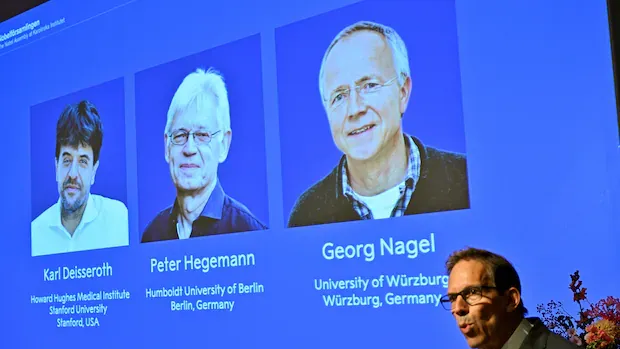
WorldScientists Karl Deisseroth, Peter Hegemann and Georg Nagel won the 2026 Nobel Prize in Physiology or Medicine for "discoveries concerning light-gated ion channels and optogenetics," the award-giving body said Monday. Winners lauded for discoveries that enhance understanding of the brainThomson Reuters · Posted: Oct 05, 2026 6:05 AM EDT | Last Updated: October 6Listen to this articleEstimated 4 minutesThe audio version of this article is generated by AI-based technology. Mispronunciations can occur. We are working with our partners to continually review and improve the results. Thomas Perlmann, professor at Sweden's Karolinska Institutet and a member of the Nobel committee for physiology and medicine, speaks to reporters in Stockholm on Monday as the three winners are projected on a screen behind him. (Pontus Lundahl/TT News Agency/Reuters)Scientists Karl Deisseroth, Peter Hegemann and Georg Nagel won the 2026 Nobel Prize in Physiology or Medicine for "discoveries concerning light-gated ion channels and optogenetics," the award-giving body said Monday in Stockholm.
This article is an excerpt. To read the full content, visit the original source. CBC
Related articles
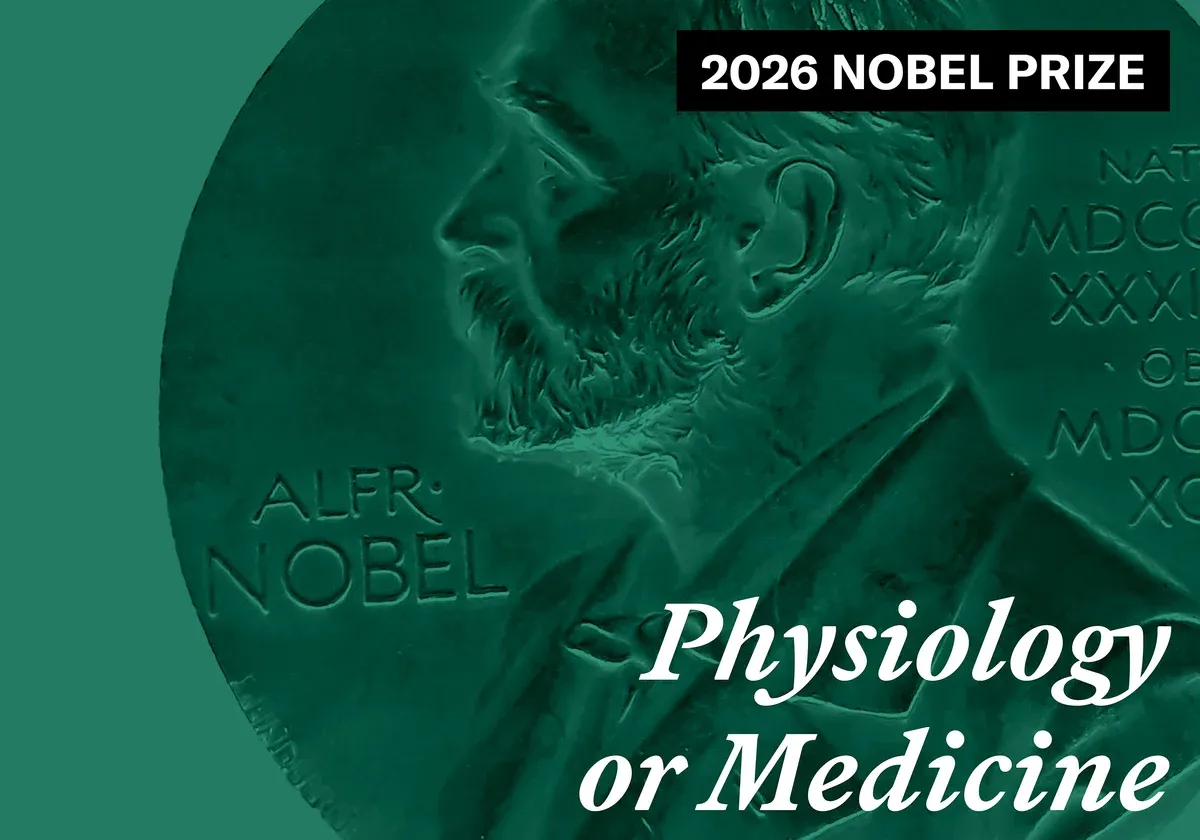
2026 Nobel Prize in Physiology or Medicine awarded to scientists behind optogenetics - Scientific American
The 2026 Nobel Prize in Physiology or Medicine is awarded to Karl Deisseroth, Georg Nagel and Peter Hegemann for their discoveries underpinning the field of optogenetics, the ability to control cells using light and genetics. Optogenetics allows scientists to use light to switch cells on and off. Using light-sensing proteins called rhodopsins, optogenetics enables precise targeting of cells, such as brain cells, to understand what they do. The technique has revolutionized neuroscience by opening up the brain’s activity to scientists in ways previously impossible. As Deisseroth explained in Scientific American in a 2010 article, the brain is of such great complexity, that “neuroscientists lack a deep grasp of what the brain is really doing—of how specific activity patterns within specific brain cells ultimately give rise to thoughts, feelings and memories.”On supporting science journalismIf you're enjoying this article, consider supporting our award-winning journalism by subscribing. By purchasing a subscription you are helping to ensure the future of impactful stories about the discoveries and ideas shaping our world today.
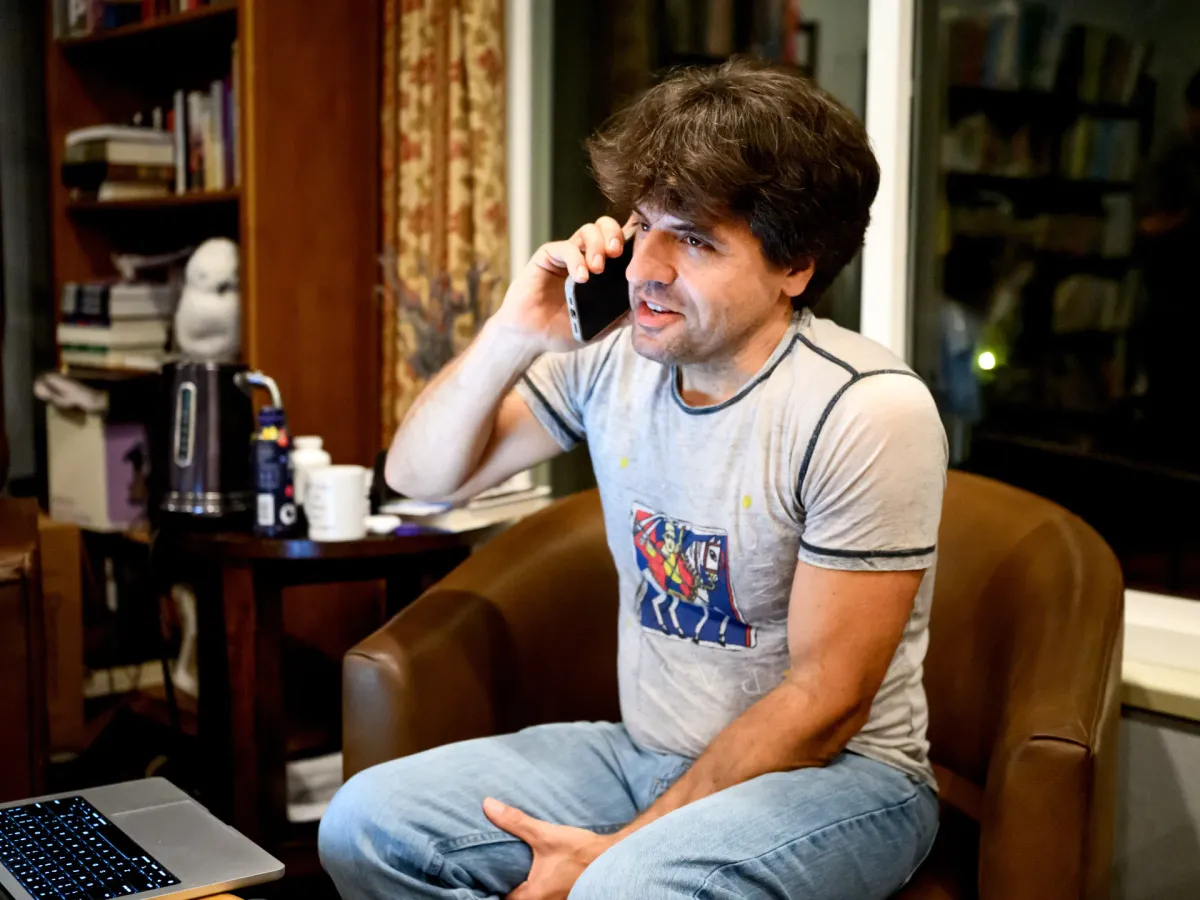
Nobel medicine prize honours US and German scientists for optogenetics work - Al Jazeera
The winners of the Nobel Prizes in physics, chemistry, literature, peace and economics will be announced in the week. American scientist Karl Deisseroth and Germans Peter Hegemann and Georg Nagel have won the 2026 Nobel Prize in Physiology or Medicine for their pioneering discoveries on light and optogenetics that have helped understand how the brain works. The Nobel Assembly of Sweden’s Karolinska Institute medical university said on Monday that Deisseroth, 54, Hegemann, 71, and Nagel, 73, were honoured “for their discovery of a molecular switch for nerve cells”. Recommended Stories list of 4 itemslist 1 of 4‘I want to cry’: Afghan medical students in Pakistan face expulsion fearlist 2 of 4The story of a book in Gaza: A treasured possession given new lease of lifelist 3 of 4HIV prevention drug hailed as breakthrough, but who gets access?list 4 of 4UN experts say Belarus justice system used to target Lukashenko opponentsend of listOptogenetics involves controlling nerve signals with light, and helps researchers understand how specific cell types contribute to behaviours like learning, fear, addiction and movement.

'To Catch a Predator' pioneered public shaming as entertainment. Now everyone's doing it. - Yahoo
In a characteristic episode of To Catch a Predator, a gray-haired man in his 40s walks into a suburban house in Florida. He's there to meet a 15-year-old named Jolanda who he's been chatting with online under the username "genericwhitemale," but he's intercepted by an unruffled Chris Hansen, who uses his authoritative newscaster voice to instruct the visitor to have a seat. Genericwhitemale begins eating cookies. One of his eyebrows flies to the top of his forehead as he denies knowing Jolanda's age. Jolanda is not really a teenager. She's not even real. She was constructed by the members of Perverted Justice, an online watchdog group, who masqueraded as children in chatrooms to invite potential sexual predators to a home under the guise of meeting the kid they'd been talking to. Instead, they're met by an adult decoy portraying Jolanda, law enforcement and a TV crew, all in on the scheme together. The whole thing was broadcast on NBC's To Catch a Predator series, a sensation in the mid-2000s. Hansen snarkily asks the subject of the sting if he'd like to finish his cookie. The man says no — he just wants to go to the beach — and turns to leave.
0 comments
No comments yet. Be the first to share your thoughts!