New Research Reveals How Long Stays in Space Affects the Human Genome - Universe Today
This story deserves to be shared
Send it to someone who'd care, or post it on your networks.
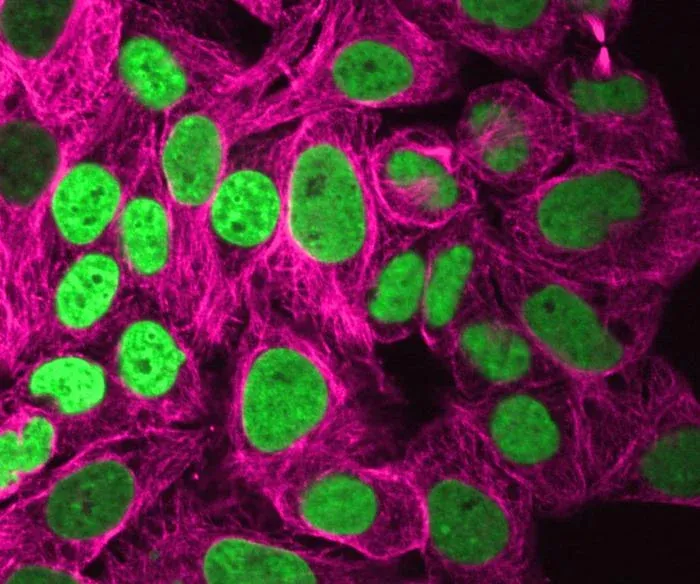
Since its inception in 1990, the Human Genome Project has led to breakthroughs in our understanding of genetics. In April 2003, the project was declared complete after scientists determined the sequence of the 3 billion chemical base pairs that make up human DNA. Alas, many questions remain about the physical rules governing a genome's organization. Among them is the question of how gravity influences life on Earth, right down to the mitochondrial level.
A new study led by researchers at the Center for Soft Matter Research at New York University (NYU) seeks to address this question to help mitigate the effects of spaceflight. Behind their work is an innovative technique for creating a microgravity environment to reveal gravity's impact on human cells. This research has two goals: to isolate gravity's impact on human genes and to show how the genome functions in zero gravity.
This article is an excerpt. To read the full content, visit the original source. Universe Today
Related articles
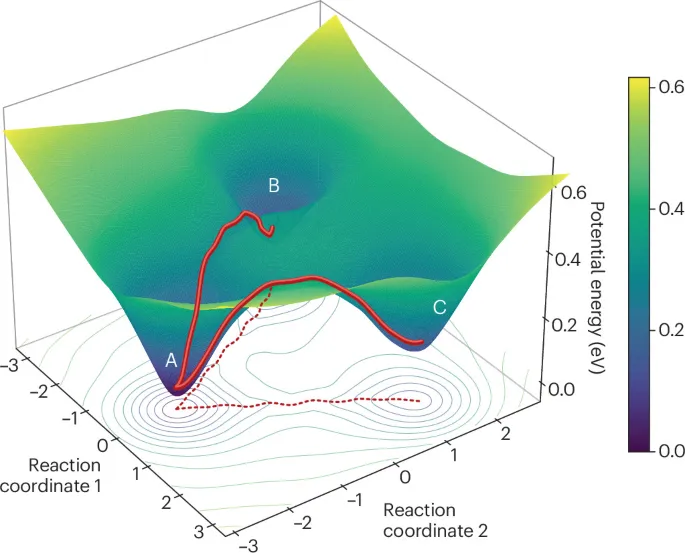
Towards a chemistry genome - Nature
A machine learning-based algorithm is proposed for exploring unknown parts of chemical space. This is a preview of subscription content, access via your institution
0 comments
No comments yet. Be the first to share your thoughts!