Neanderthals passed on a gene that helps modern humans pack on more muscle — but only a few people have it - Live Science
This story deserves to be shared
Send it to someone who'd care, or post it on your networks.
This article is an excerpt. To read the full content, visit the original source. Live Science
Related articles
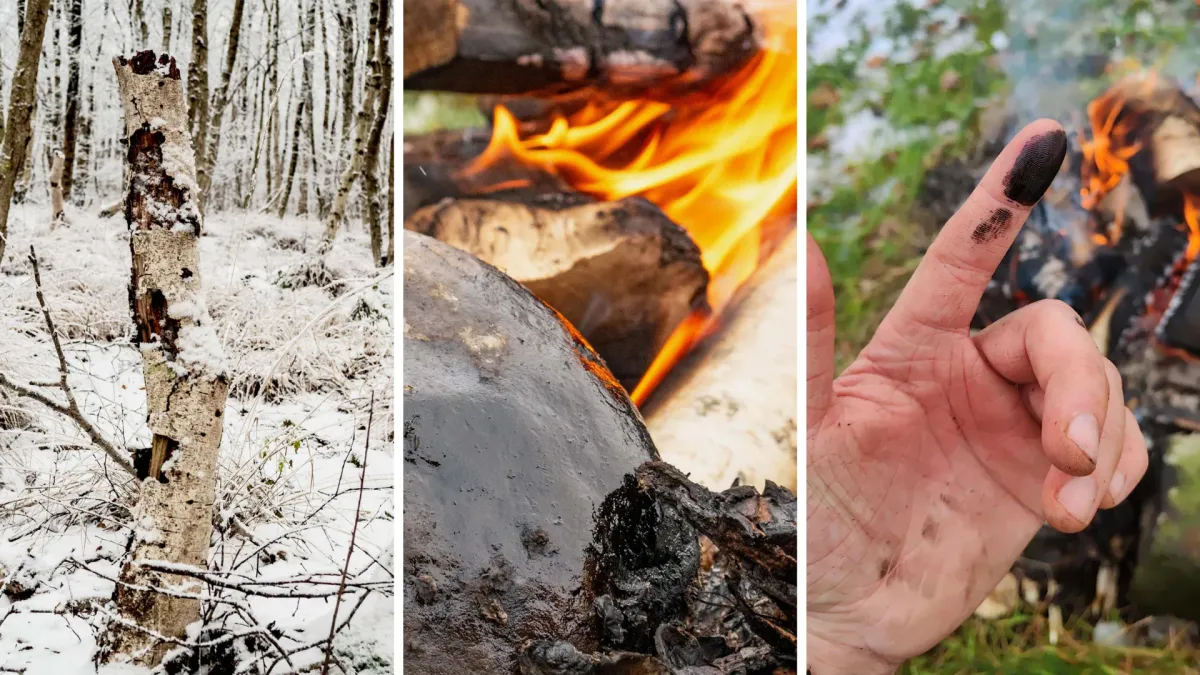
Neanderthals may have used prehistoric glue as an ancient antibiotic - Science Daily
Neanderthals may have used a sticky substance made from tree bark not only to construct tools but also to treat wounds and fight bacterial infections. Scientists have discovered that birch tar, a material commonly associated with prehistoric toolmaking, has antibacterial properties that could have made it useful as an ancient form of medicine. The findings come from a study conducted by researchers at the University of Cologne, the University of Oxford, the University of Liège, and Cape Breton University in Canada. By recreating techniques believed to have been used by Neanderthals, the team produced birch tar and tested its ability to inhibit harmful bacteria.
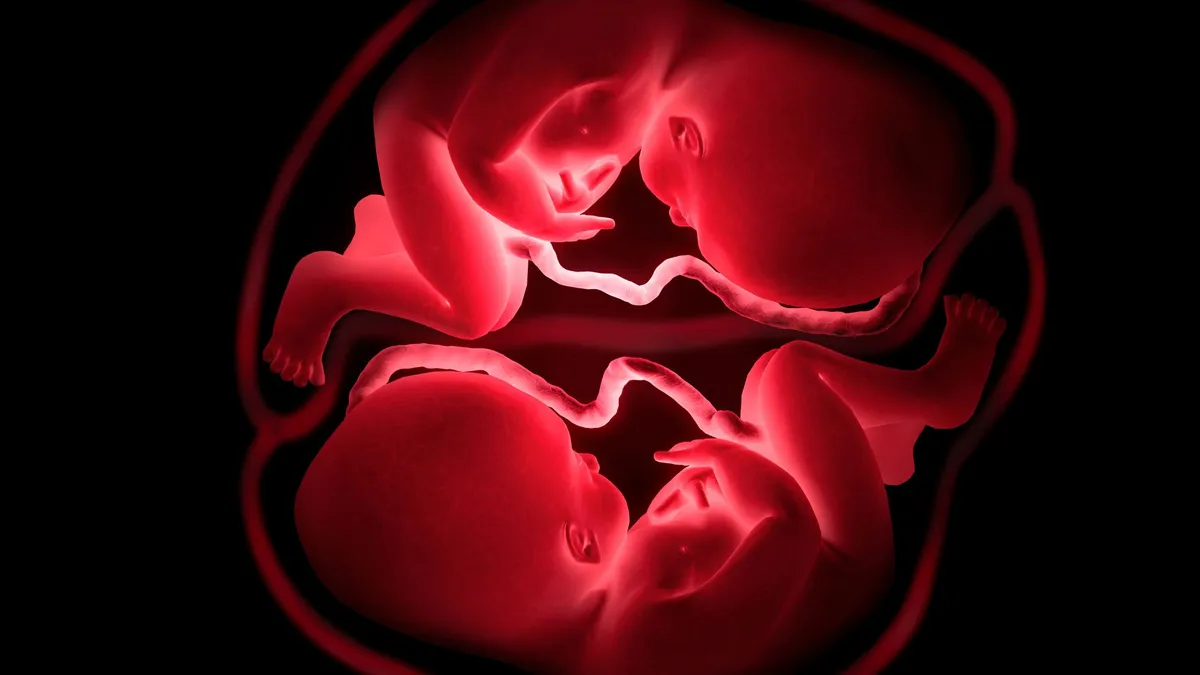
Scientists Trace How Cancer Passed Between Twins Before Birth - ScienceAlert
A facial mass detected before birth prompted the early delivery of identical twin sisters. A fetal MRI at 33 weeks showed the mass on one baby's face. When the sisters were born a week later, tumors were found in both. Two children had the same cancer, raising a question that their shared beginnings alone could not answer. Had the disease started separately in each sister, or had cancer cells crossed from one to the other before birth? Researchers turned to a record hidden within their cells. DNA changes, accumulated as their bodies developed, allowed the team to reconstruct events that had happened months before anyone saw a tumor. The study in Nature Communications shows that the cancer began in one sister and passed to the other in the womb, most likely through a single transfer late in the second trimester. The same investigation uncovered clues to how the sisters themselves had formed. The two girls, Amelia and Amaya, died soon after birth. Their family consented to post-mortem examinations for research. The authors dedicate the study to the sisters, whose mother wanted them acknowledged by name.
0 comments
No comments yet. Be the first to share your thoughts!