ML-DSA Certificates Use X.509, But Aren't Yet For Public TLS. - Quantum Zeitgeist
This story deserves to be shared
Send it to someone who'd care, or post it on your networks.

The technical groundwork for a quantum-resistant internet is further along than the policy needed to build it. The IETF finalized the standard for encoding ML-DSA signatures within X.509 certificates in RFC 9881 in October 2025, yet as of this year the CA/Browser Forum has not approved their use in publicly trusted TLS certificates. This creates a clear timeline; organizations can begin building post-quantum certificate authorities now, but widespread adoption for secure browsing remains a future goal. Encryption, facing the immediate threat of “store now, decrypt later” attacks, prioritized key exchange solutions before signature updates.
This discrepancy highlights a growing gap between the readiness of post-quantum cryptographic algorithms and the policy frameworks needed for their widespread deployment, a situation that could delay the transition to a quantum-resistant internet. NIST’s finalized standards, FIPS 204 for ML-DSA and FIPS 205 for SLH-DSA, published on August 13, 2024, define distinct approaches to quantum-resistant cryptography, each with its own performance characteristics and ideal use cases.
This article is an excerpt. To read the full content, visit the original source. Quantum Zeitgeist
Related articles
Technology Certificates and Certifications - The CPA Journal
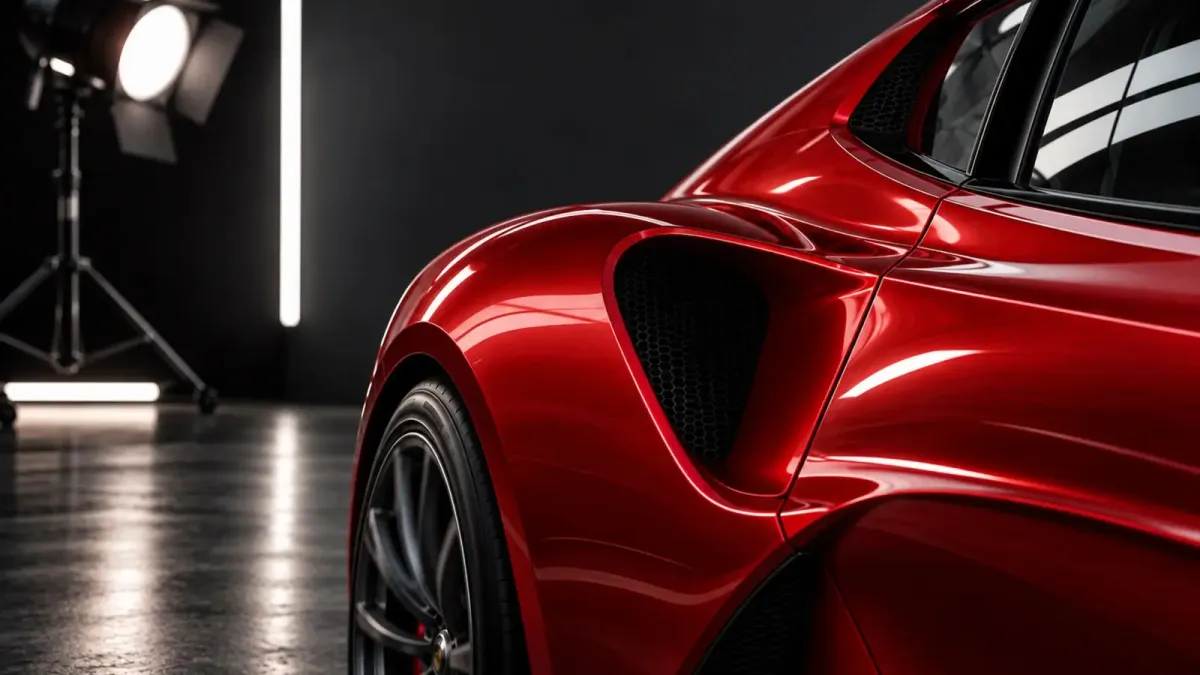
No V12 Required: Argentina's Mid-Engine Supercar Packs An American V8 Punch - CarBuzz
Classic gems, tasteful customs, legendary supercars - for Silvian, they're all fair game. He's been in love with cars and motorcycles for as long as he can remember, so it made perfect sense to eventually turn that passion into a full-time writing career. Around six years and more than 3,000 articles later, he is still going strong and doesn't plan on hitting the brakes anytime soon. Argentina is a country known for its natural beauty, soccer legends, and chainsaw-wielding president, but it probably isn’t the first place you’d expect a rad V8 supercar to be developed. However, that assumption might change once you learn about a company called Valtor, the brainchild of engineer-turned-CEO Sergio Arias. He leads a small but ambitious team of designers and engineers like himself, who’d previously caught people’s attention with the Azor GT concept last year. Now they’re back at it once again with the Eaglon, an evolution of the Azor and something that could easily be mistaken for a Ferrari by those who don’t know their automotive lore.
0 comments
No comments yet. Be the first to share your thoughts!